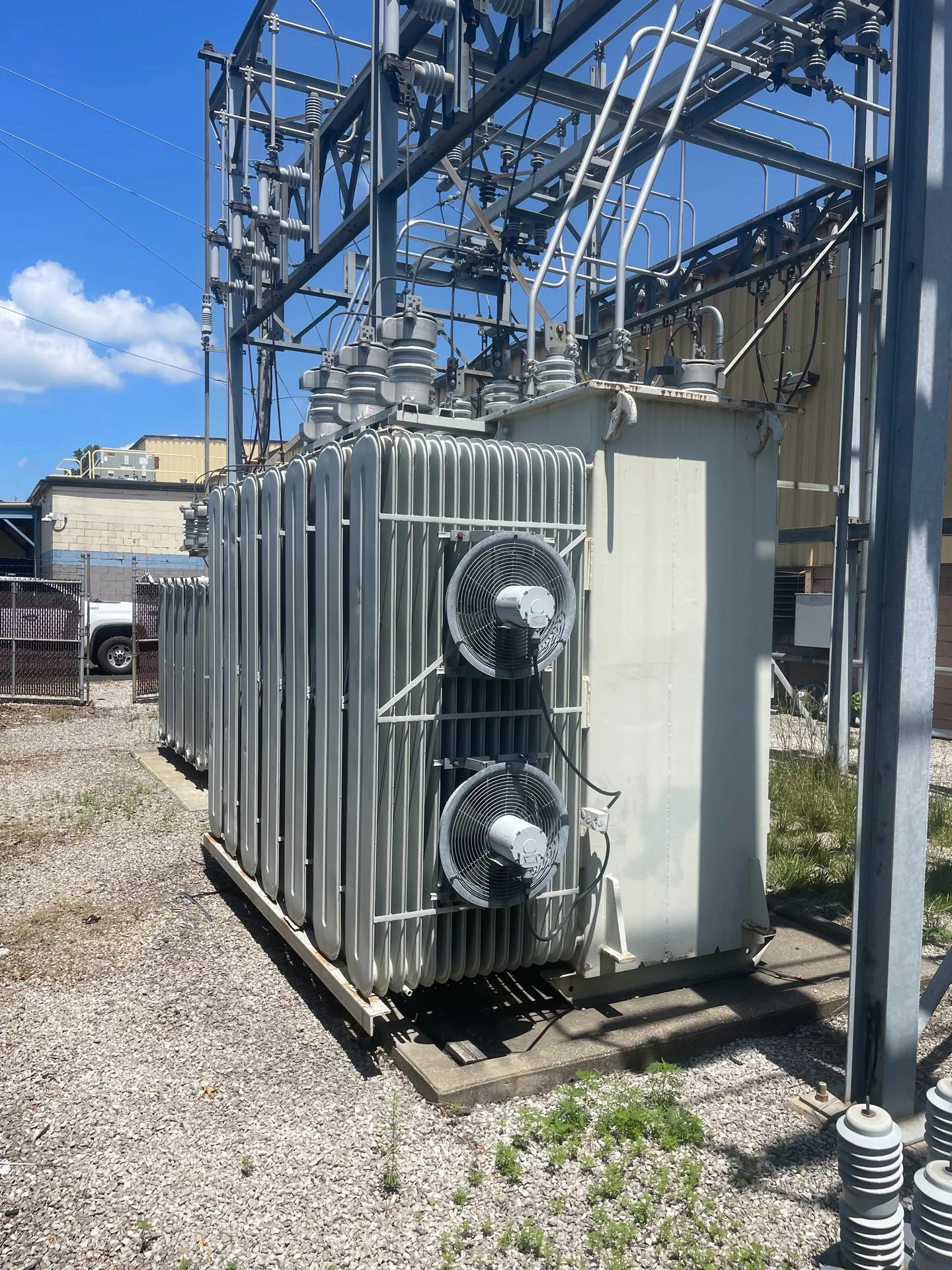
Sell Electrical Transformers in Wyoming
This guide helps owners and project managers in Wyoming prepare new, used, or surplus electrical transformers for sale. It focuses on documentation buyers expect, how equipment condition and qualification affect interest, and the logistical steps—site access, rigging, loading, and freight—that influence whether a sale is practical. We buy nationwide and review equipment remotely, but that does not imply a local branch. Use this as a planning checklist to reduce surprises and speed evaluation by serious buyers or resale channels.
Evaluation starts with facts
Share the manufacturer, rating, voltage, phase, condition, quantity, and location before discussing value or pickup.
Gather nameplate and ownership documentation first
Start by collecting readable photos of the transformer nameplate and any ownership records. Nameplate data — manufacturer, serial or model number, kVA/MVA rating, primary and secondary voltage, phase, frequency, temperature rise, and impedance — is the single most useful set of facts for a buyer. Ownership proofs (purchase invoices, surplus schedules, or decommissioning records) help establish legal title. If you do not have full documentation, provide what you can; a clear nameplate photo plus quantity and location often lets buyers determine initial interest.
If the nameplate or serial tags are missing, note other identifier details such as cabinet markings, control panel labels, or an internal drawing number. Test and service records, factory test reports, recent maintenance logs, and removal notes add value. Be honest about gaps in the file: buyers treat undocumented units differently from those with full histories because unknowns affect reuse, testing requirements, and potential environmental handling.
- Key nameplate items: manufacturer, serial, kVA/MVA, voltages, phase, frequency
- Collect invoices, maintenance logs, and factory test reports if available
- Photograph nameplate, bushings, enclosures, and any damage for quick review
Describe equipment type, design, and condition clearly
Indicate whether a unit is dry-type, oil-filled, pad-mounted, pole-mounted, distribution, or a larger power transformer. Buyers need the design type because insulation and containment influence testing, transport, and reuse options. Include age and any known manufacturing model references. Condition notes should mention oil leaks, corrosion, bushing damage, missing parts, or evidence of electrical faulting. Accurate condition descriptions prevent wasted site visits and help buyers determine testing or refurbishment costs.
If the unit has been load-tested, insulated-resistance measured, or had dissolved gas analysis (for oil-filled units), attach the reports. For dry-type transformers, winding resistance and hipot records are useful. Absence of recent test records does not automatically eliminate interest, but it can change the preferred sale path toward parts, refurbishment, auction, or qualified recycling.
- State type: dry-type, oil-filled, pad-mounted, etc.
- Note age, model, and visible damage or missing components
- Attach any test reports or service records when available
Assess site access and handling requirements
Early assessment of physical access is critical. Describe gate widths, road surface, overhead clearances, turning radii, and distance from highway to equipment. Identify whether the transformer is indoors, outdoors, on a pad, or attached to a structure. For outdoor units, indicate seasonal access constraints that could affect pickup. Buyers and their logistics partners will use this information to determine rigging approach, required cranes or fork trucks, and whether additional site work will be needed to reach the equipment.
Photographs showing approach routes, the transformer in place, and any staging areas save time. Note weight and footprint if those are known; if not, provide model numbers for weight estimation. Remember that any energization, disconnection, lifting, and transport must be performed by qualified contractors and in compliance with applicable codes and environmental rules—buyers may require confirmation that proper contractors will be engaged.
- Provide approach photos and route measurements
- Identify indoor vs outdoor location and pad or mounting details
- Flag seasonal, clearance, or permit constraints early
Plan for rigging, loading, and safety coordination
Loading a transformer typically requires qualified rigging crews and lift plans. Outline what on-site resources are available: forklift capacity, crane availability, and any rigging hardware left with the unit. Note site safety rules and identification requirements for outside contractors. Buyers will evaluate whether their chosen carriers can stage and complete the lift given site conditions; when staging space is limited, temporary shoring or traffic control may be necessary and should be described up front.
Do not attempt electrical isolation or mechanical lifts without appropriate professionals. Instead, confirm who will disconnect, de-energize, and prepare the unit for removal. Clear communication about responsibilities—whether the seller will handle disconnect and isolation or expects the buyer to arrange it—reduces delays. When multiple units are being moved, coordinated scheduling can lower per-unit rigging costs.
- State available on-site lifting equipment and rigging hardware
- Specify who will arrange electrical disconnection and safe isolation
- Describe staging area size and any site safety requirements
Consider long-distance freight and destination options
Long-distance transport affects whether a buyer will make an offer and at what price. Heavy power transformers, particularly oil-filled or very high kVA/MVA units, attract carriers with specialized rigs and may require escort permits, route surveys, or temporary road modifications. Provide an accurate pick-up address so carriers can estimate transit feasibility. For distant moves, buyers may prefer to allocate units to refurbishment centers, resale yards, or brokers who specialize in long-haul transformer logistics.
If a unit is likely to travel many miles, expect buyers to account for trucking, escort, handling, and potential refurbishment in their evaluation. For smaller distribution or dry-type transformers, intermodal freight or standard flatbed shipping may be possible. Sharing preferred or required destination constraints—such as a specific refurbishment facility or recycler—helps buyers model costs and present realistic options.
- Provide precise pickup address for carrier feasibility checks
- Note any known destination preferences or restrictions
- Understand that heavy units often need specialized carriers and permits
Timing, quantity, and market factors that influence interest
Project timing and the quantity of equipment available both shape buyer interest. Buyers often prefer whole lots or multiple units because fixed mobilization costs are spread across more assets. If you can provide flexible pickup windows or consolidate multiple units for a single mobilization, you may receive stronger consideration. Conversely, urgent removal requests or very tight schedules can limit options and increase costs due to expedited rigging and freight.
Buyer demand fluctuates by equipment type, condition, and technical specs. Large power transformers or specific manufacturer models may have intermittent demand and require more marketing time. If an immediate sale does not materialize, alternatives include listing through an auction platform, using a specialized equipment broker, or arranging qualified recycling or disposal. Each path has trade-offs in timing, documentation needs, and potential recovery value.
- Larger quantities typically improve mobilization economics
- Flexible pickup dates broaden buyer options
- Consider auction, broker, or recycler routes if direct offers aren’t suitable
Common questions
Practical answers before you call
One clear next step