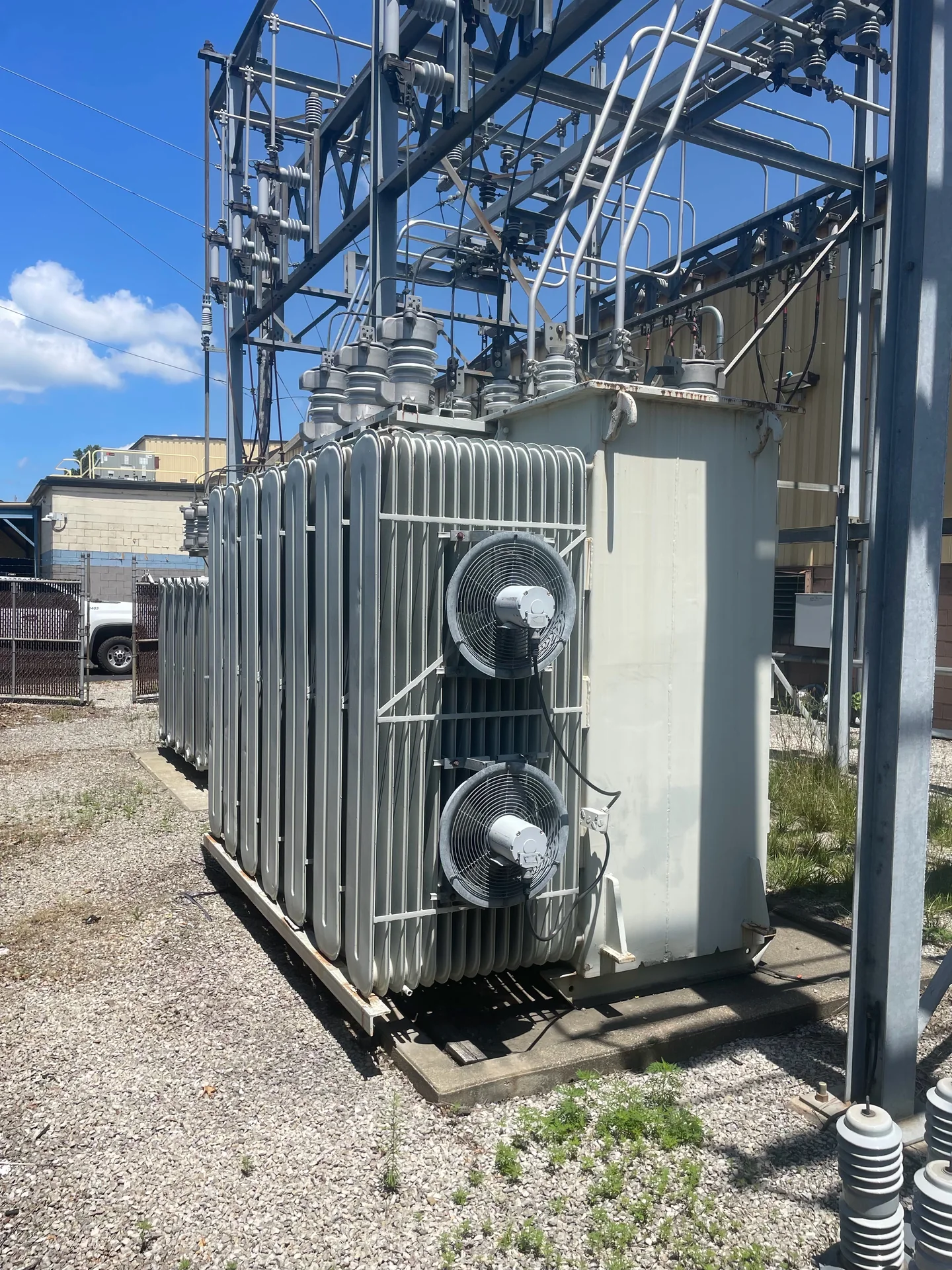
Sell Electrical Transformers in Alabama — Planning Guide
This page helps owners and asset managers in Alabama plan the sale or disposition of new, used, or surplus electrical transformers. It outlines the documentation buyers typically need, how to qualify equipment, what to expect for site access and loading, and how long the process can take. We operate as a nationwide buyer and will consider appropriate units from any state; local permits, de‑energization, testing, rigging, and transport must be arranged with qualified professionals under applicable laws and utility requirements.
Evaluation starts with facts
Share the manufacturer, rating, voltage, phase, condition, quantity, and location before discussing value or pickup.
Documentation and ownership records buyers expect
Complete documentation speeds assessment and reduces uncertainty. Typical items prospective buyers ask for include nameplate photos, serial numbers, original purchase or title documents, recent maintenance or test reports, service history, and any decommissioning paperwork. If the transformer has been subject to repairs, relays, or modifications, provide records that describe those changes. Also note any liens, outstanding utility work, or third‑party agreements that could affect transfer of ownership. Honest, organized records materially improve the quality of remote assessments and can shorten final negotiations.
bullets
- Nameplate photos showing full data plate and serial number
- Manufacturer, model, and kVA/MVA rating
- Primary and secondary voltage, phase, and frequency
- Recent test reports (insulation, turns ratio, oil tests if applicable)
- Proof of ownership or bill of sale and any lien information
How to qualify equipment for sale
Buyers evaluate clear technical attributes first. Nameplate data (manufacturer, kVA or MVA rating, primary/secondary voltage, phase, frequency, and design type) is essential. Also note cooling class, impedance, vector group, and whether a unit is dry type or oil‑filled. Age, visible condition, past overloads, and documented test/service records affect interest and value. If the transformer has been rebuilt or repurposed, disclose details. Accurate specification data lets buyers match units to market demand and estimate transport and refurbishment costs before making an offer.
bullets
- Provide nameplate values first — they determine potential reuse
- List age and last major overhaul or rewind
- Indicate cooling type (ONAN, ONAF, dry type, etc.) and enclosure class
- Note any known internal or external damage and previous repairs
Site access, location, and staging
Logistics start at your site. Provide precise location details, road and gate widths, turning radii, nearby overhead lines, bridge/weight restrictions, and available staging or laydown areas. Urban facilities, rural substations, and industrial yards present different challenges. If a transformer is inside a building or fenced substation, indicate whether keys, escort, or entry permits will be required. Buyers use this information to estimate rigging and transport costs and to determine whether a site visit or remote assessment is appropriate before an offer.
bullets
- Road weight limits and bridge restrictions near the site
- Gate and approach clearances including overhead obstructions
- Proximity to rail or barge terminals if large long‑distance moves are needed
- Available laydown area for removal and temporary storage
Rigging, de‑energization, and loading considerations
Transformer disconnection, testing, and loading must be performed by qualified personnel under applicable utility and safety regulations. Buyers will often require evidence that de‑energization and isolation have been completed safely. For loading, describe how units are currently staged: on skids, cradles, or in pits. Indicate whether lifting points and certified slings are present, or if special lifting fixtures will be needed. These practical details determine whether a job requires a crane, spreader bars, or other specialized rigging and whether third‑party rigging contractors must be engaged.
bullets
- Confirm de‑energization and any required permitting has been arranged by qualified staff
- Identify if forklift, crane, or gantry is needed and approximate lift weights
- Note if oil draining or containment will be required before loading (handled by qualified contractors)
- Specify any confined‑space or fall‑protection constraints that could affect work
Long‑distance freight and transport planning
Large transformers often require over‑dimensional transport, route approvals, and substantial lead times. Provide dimensions and weights to help buyers evaluate whether they can combine pickup with other loads or need special carriers. Buyers consider freight costs, export paperwork (if applicable), and seasonal road restrictions. When units are far from common routes, higher transport costs can reduce offers. Clear communication about destination flexibility and acceptable pickup windows helps buyers present realistic options and cost estimates.
bullets
- Exact dry and gross weights plus length, width, height
- Preferred shipment window and any blackout dates
- Whether the unit can be moved by road without dismantling
- Potential for transloading to rail or barge to reduce long‑haul cost
Project timing, permissions, and environmental handling
Timing for sale and removal depends on paperwork, inspections, and local permits. Buyers may need time for remote review and an on‑site inspection before finalizing terms. If the transformer contains oil or other regulated fluids, environmental handling and disposal rules apply; you should engage qualified environmental contractors to perform testing and any necessary remediation. Plan adequate lead time for permitting, coordination with utilities, and for rigging crews to be mobilized. Honest timelines reduce surprises and support smoother transactions.
bullets
- Expect scheduling needs for inspections and utility coordination
- Arrange environmental sampling and documentation if oil‑filled
- Allow time for permits, escorts, and traffic control in public right‑of‑way
- Be prepared for longer lead times for oversized or remote pickups
Offers, valuation factors, and alternatives
Not every transformer will result in a purchase offer; valuations depend on specification match to market demand, condition, documentation, logistics, and timing. Buyers weigh potential refurbishment costs, freight, and resale prospects. If a buyer declines an asset, alternatives include listing with equipment brokers, selling through industrial auction platforms, or arranging for responsibly licensed recyclers or qualified disposal services. We recommend collecting all records and photos before approaching multiple channels to compare options efficiently and responsibly.
bullets
- Value drivers: nameplate specs, test records, condition, quantity, and logistic complexity
- If higher transport costs or unknown condition deter buyers, consider local brokers or recyclers
- When environmental issues exist, prioritize licensed remediation or disposal providers
- Consolidating multiple units into one shipment can improve buyer interest
Common questions
Practical answers before you call
One clear next step