Sell Electrical Transformers in Arkansas — Planning Guide
This guide helps electrical contractors, facility managers, utilities, manufacturers, demolition teams, and equipment resellers prepare to sell new, used, or surplus transformers anywhere in Arkansas. It explains what buyers typically need to evaluate an asset: nameplate and ownership records, equipment qualification and condition, site access and rigging constraints, long-distance freight considerations, and sensible timelines. We work as a nationwide buyer; this page is intended to support seller planning and does not imply a local branch or local crews.
Evaluation starts with facts
Share the manufacturer, rating, voltage, phase, condition, quantity, and location before discussing value or pickup.
Collect nameplate data and basic documentation first
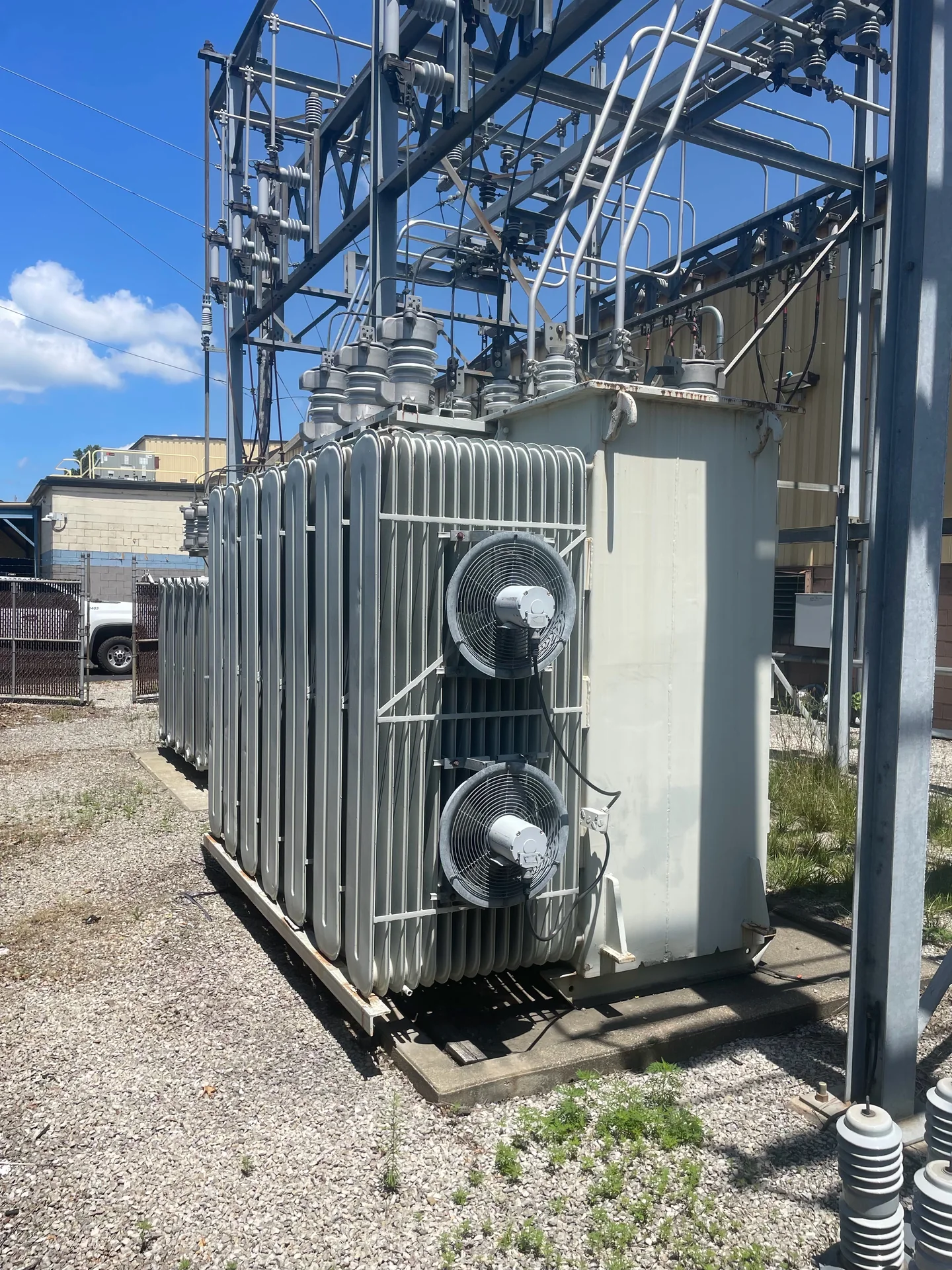
Start by collecting clear, legible nameplate photos and a concise equipment list. Buyers screen by manufacturer, serial number, rated kVA or MVA, primary and secondary voltages, phase, frequency, vector group or winding ID, and design type (pad-mounted, pole-mounted, dry-type, oil-filled, autotransformer, etc.). Note quantity and whether units are a matched bank or standalone pieces. Having invoices, asset tags and purchase or surplus declarations ready reduces follow-up and speeds preliminary interest.
bullets
- Nameplate fields to capture: manufacturer, serial number, kVA/MVA rating, primary & secondary voltages, phase, frequency, vector group, year
- Unit classification: pad-mount vs pole, dry vs fluid-filled, bank vs single, protective accessories included
- Photos to provide: every nameplate, full unit views from multiple angles, nearby obstructions and unit placement
Document condition and compile available test or service records
Condition and recent test results strongly influence buyer interest and pricing. Useful records include turns-ratio, insulation resistance (IR), power-factor or tan delta, SFRA, and dissolved gas analysis (DGA) for fluid-filled units. Maintenance logs, repair invoices, load history and recent outage notes help buyers estimate refurbishment cost. If no formal testing exists, disclose that clearly; many buyers will either factor uncertainty into an offer or request pre-purchase testing by qualified technicians.
bullets
- Helpful test reports: turns-ratio, IR, power-factor/tan delta, SFRA, and DGA for oil-filled transformers
- Visible-condition notes: oil leaks, bushing damage, tank corrosion, paint condition, evidence of overheating
- Age versus condition: a documented older unit with full records can be more marketable than an undocumented newer unit
Organize ownership, title and internal approvals early
Clear ownership and sale authorization prevent transactional delays. Gather purchase invoices, asset or tag numbers, surplus declarations, lien or lease information and any procurement approvals required by your organization. If equipment sits on leased property, in a utility right‑of‑way or under third‑party contract, disclose those encumbrances. Public entities and institutions should build internal surplus approval timelines into the schedule before committing to removal dates.
bullets
- Ownership paperwork: invoices, asset tags, surplus or disposition forms, lien/lease status
- Procurement constraints: required approvals, public bid windows, blackout periods for removal
- Disclosure reduces surprises: note any third-party agreements, environmental restrictions or restricted-transfer conditions
Describe site access, lifting and pre-lift coordination
Physical access and rigging requirements often determine feasibility. Provide photos and measurements of roadway width, gate and door clearances, overhead lines, ground-bearing capacity and staging areas. If units are indoors or in a confined space, indicate door dimensions and any obstructions. Responsibility for de-energization, electrical isolation, fluid handling and the lift itself belongs to qualified personnel; buyers will expect confirmation that these activities will be completed in compliance with applicable rules before rigging begins.
bullets
- Site-access details: route photos, gate/door dimensions, overhead clearances, turning radius, nearest crane pad or staging area
- Rigging notes: known lift points, interior versus exterior removal challenges, need for mats or ground protection
- Safety reminder: disconnection, de‑energization and fluid handling must be performed by qualified electricians, utility crews or contractors
Consider long-distance freight, permits and realistic timing
Transport logistics can add significant cost and create schedule constraints. Large power transformers may require specialized trailers (RGN, lowboy), overweight/oversize permits, route surveys and possible escorts or temporary utility adjustments. Smaller or dry-type units often move on flatbeds. Share pickup windows, expected permit lead times and any local hauling restrictions to help buyers include freight contingencies when preparing offers.
bullets
- Freight variables: trailer type required, permit needs, escort requirements, and route restrictions (bridges, low clearances)
- Timing considerations: permit lead time, carrier availability, seasonal carrier limits and weather impacts
- Clarify responsibility: who will coordinate permits, book carriers and pay freight—seller, buyer or third-party carrier
Offers, inspections and alternatives when a direct sale isn’t viable
Not every transformer will receive an outright purchase offer. Buyers consider condition, transport cost, current demand and refurbishment requirements; offers are often conditional on final on-site inspection or testing. If a direct sale isn’t feasible, sensible alternatives include auction platforms, specialized brokers who match niche demand, licensed recyclers for scrap recovery, or qualified disposal contractors for equipment with environmental or safety constraints. Compare timelines, documentation needs and cost implications for each path before deciding.
bullets
- Possible outcomes: direct purchase, conditional offer pending inspection/testing, referral to auction/broker, or scrap/recycling
- Alternative routes: auction listing, broker engagement, licensed recycling, or qualified environmental disposal
- Prepare contingencies: set inspection windows, written contingency timelines, and clarify who bears inspection and removal costs
Common questions
Practical answers before you call
One clear next step