Sell Electrical Transformers in Indiana — Seller Planning Guide
This guide helps facility managers, contractors, utilities, demolition teams, and equipment resellers prepare electrical transformers for sale anywhere in Indiana. It focuses on the information most buyers request, how site access and rigging affect feasibility, long‑distance freight considerations, realistic timelines, and sensible alternatives when a unit is not marketable. We evaluate transformers as a nationwide buyer and do not represent a local branch. Always engage qualified professionals for de‑energization, testing, rigging, fluid handling, and transport under applicable rules.
Evaluation starts with facts
Share the manufacturer, rating, voltage, phase, condition, quantity, and location before discussing value or pickup.
Start with the nameplate and photos
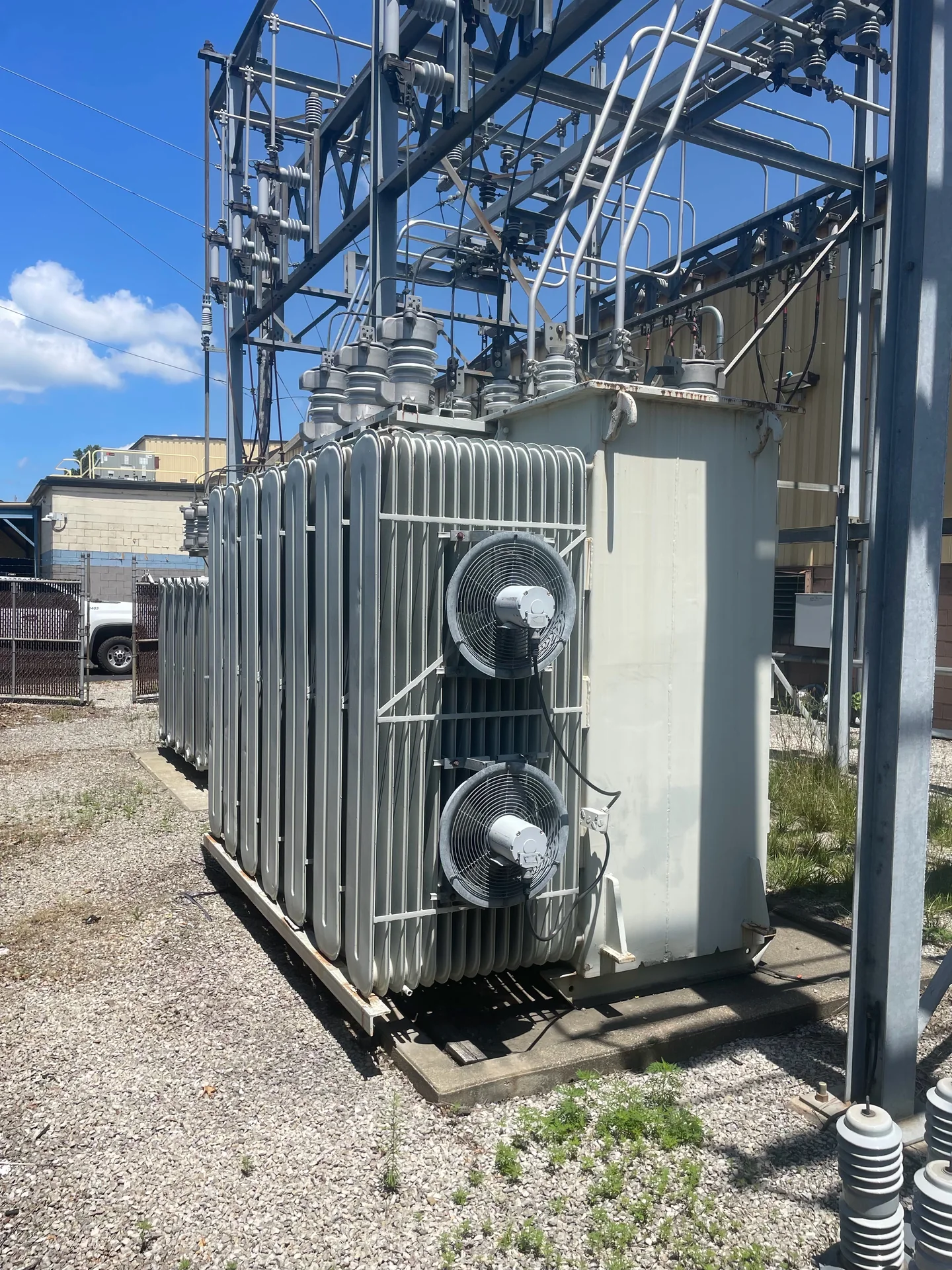
The quickest path to a useful inquiry is clear nameplate data and a few targeted photos. Buyers use the nameplate to confirm manufacturer, serial number, kVA/MVA rating, primary and secondary voltages, phase, frequency, and design type. Include close‑ups of the nameplate plus overall views showing bushings, radiators, and connections. If the vector group or cooling class (ONAN/ONAF, ONAF/OFWF, etc.) is visible, note that. Accurate basic data reduces follow‑up and allows faster preliminary qualification.
bullets
- Nameplate essentials: manufacturer, serial number, kVA/MVA, voltages, phase, frequency
- Design cues: cooling type, tank configuration, bushings, and any nameplate ratings for ambient limits
- Photos to supply: close‑up of the nameplate, two side views, top view showing bushings, and overall distance view
- If unknown: give best estimates and note which items are unconfirmed
Collect test history and ownership documents
Service, test, and ownership records materially affect buyer interest. Relevant documents include factory test certificates, turns‑ratio and insulation resistance tests, power factor/dielectric reports, and oil analyses. Maintenance logs and retrofit records are also useful. Buyers will want to know about liens, leases, or other encumbrances that affect transferability. If records are missing, be transparent about what is available and what is not; absence of documentation may narrow the pool of potential buyers or require conditional offers pending field testing.
bullets
- Helpful files: factory acceptance tests, field test reports, oil laboratory results, and maintenance logs
- Title items: bill of sale, asset tags, lease or lien disclosures, and any decommission permits
- If you don’t have reports: provide operating history and note when the unit was last energized
Describe site location and access constraints
Where a transformer sits influences whether removal is practical. Specify whether it is pad‑mounted, substation‑installed, indoor vault, rooftop, or otherwise restricted. Note gate widths, overhead clearances, turning radii, site weight limits, and any required escorts or badge procedures. Indicate if confined‑space entry, special permits, or seasonal access limitations apply. Remember that electrical de‑energization and related safety work must be performed by qualified personnel and comply with applicable regulations; buyers will ask who will arrange or accept responsibility for those tasks.
bullets
- Location details: indoor/outdoor, pad height, rooftop or vault, fenced substation
- Access checklist: gate width, overhead lines, truck turning radius, staging area for crane or trailer
- Site rules: escort requirements, badge or badging process, and any required permits
- Safety reminder: de‑energization and fluid handling require qualified contractors
Loading, rigging and long‑distance freight considerations
Transformers are heavy and often need cranes, spreader bars, and specialized trailers. Note whether the unit has certified lift points or shipping lugs, if it can be partially disassembled, and any known weight or dimension data. Long hauls introduce overweight permits, routing limits, bridge restrictions, and potential escort vehicles, all of which add time and cost. Provide the best available weights and dimensions early so buyers can produce realistic transport estimates and decide whether resale or local recycling is more feasible.
bullets
- Loading details: lift points, need for disassembly, whether bushings must be removed, and crate/skid needs
- Freight factors: estimated weight/dimensions, permit requirements, bridge or route restrictions, pilot cars
- Transport readiness: oil drained and labeled, palletization options, and whether a cradle or skid exists
- Note: fluid removal and transport of regulated liquids must follow applicable environmental rules
Timing, quantities and realistic outcomes
How quickly you need a removal affects what offers are possible. Multiple similar units are usually easier to price and move, while single, obsolete voltages or rare designs can take longer to find a buyer. Buyers weigh your timeline against permit lead times, carrier availability, and current demand for particular ratings or manufacturers. Be prepared that some units will not receive an offer; alternatives include broker sales, auctions, certified recycling, or qualified disposal depending on condition and documentation.
bullets
- Quantity advantage: multiple units can justify specialized transport and attract refurbishers
- Timeline realities: permits and carrier schedules often add weeks to months
- If demand is low: consider broker listings, auctions, or certified recyclers for material recovery
- Agree in writing who will manage permits, contractor coordination, and staging to avoid delays
Assemble a concise site packet to speed evaluation
A short, well‑organized packet reduces repetitive questions and speeds evaluation. Include clear nameplate photos, any test or oil analysis reports, approximate dimensions and weights, ownership documentation, and a simple access map with photos of the route to the transformer. Add contact details for the site safety coordinator and any preferred rigging or electrical contractors. Label files clearly and keep the packet focused on essentials so buyers can quickly determine feasibility and request only necessary follow‑ups.
bullets
- Packet checklist: nameplate photos, test reports, oil analysis, ownership docs, and a site access map
- Route photos: gate, driveway, nearby overheads, and proposed crane or trailer staging area
- Contacts: site safety lead, facilities coordinator, and any recommended contractors
- File format tip: use common formats (JPEG, PDF) and keep file sizes manageable for email
Common questions
Practical answers before you call
One clear next step