Sell Electrical Transformers in Louisiana — Planning Guide
This page is a practical planning guide for facility managers, contractors, utilities, and equipment resellers preparing to sell electrical transformers in Louisiana. It explains the information buyers commonly need, how to document ownership and equipment condition, and what to expect for site access, loading, and long-distance freight. We buy transformers nationwide and will evaluate equipment based on the facts you provide. This guide helps you prepare credible listings and realistic timelines so conversations with prospective buyers start from a shared, verifiable baseline.
Evaluation starts with facts
Share the manufacturer, rating, voltage, phase, condition, quantity, and location before discussing value or pickup.
1. Confirm whether a buyer can evaluate your unit
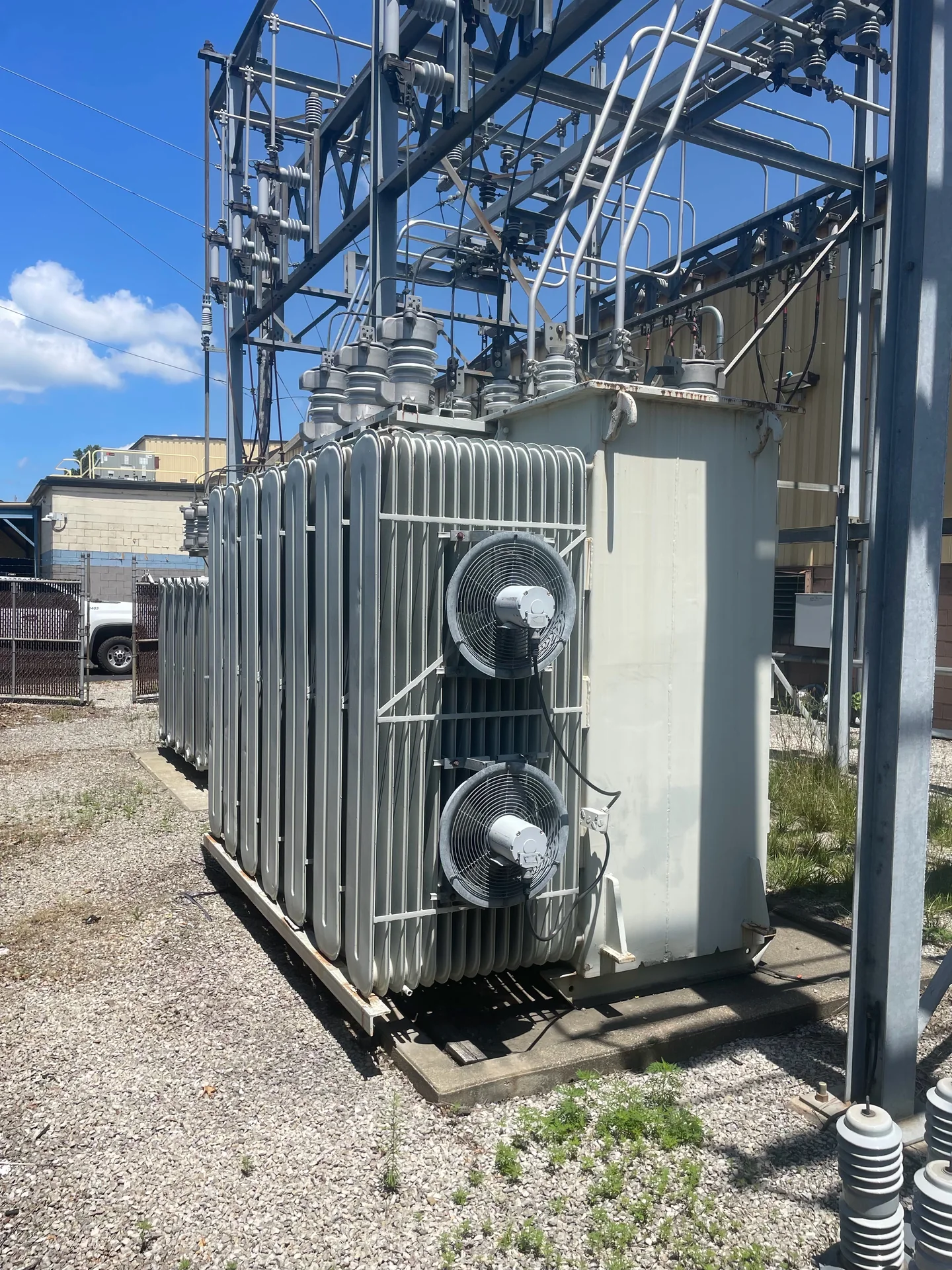
Start by collecting the transformer’s nameplate data and basic physical details. Key items include manufacturer and serial number, kVA or MVA rating, primary and secondary voltages, phase (single- or three-phase), frequency (50/60 Hz), and design type (e.g., oil-immersed, dry-type, autotransformer). Age and visible condition matter: corrosion, tank repairs, oil stains, or missing components affect inspection outcomes. Buyers rely on clear, accurate specification data to determine suitability for resale, refurbishment, or scrap.
If the nameplate is unreadable, provide the best substitute information you have—prints, asset records, or a close-up photo of the unit and any tags. Note that electrical energization or disconnection, internal inspections, and test work must be performed by qualified personnel under applicable regulations. Buyers will usually wait for clear documentation and photos before committing resources to an on-site inspection arrangement.
2. Gather ownership, service, and test documentation
Organize records that establish ownership and the transformer’s service history. Useful documents include purchase receipts or invoices, title or asset-transfer paperwork, maintenance logs, nameplate photos, recent dielectric or turns-ratio tests, oil test reports (DGA, BDV), and any repair or rewinding records. If the unit was part of a larger capital project, note project name and decommissioning date. Clear records shorten buyer due diligence and reduce questions about liability and provenance.
If test or service records are unavailable, state that honestly. Buyers may require third-party testing prior to making an offer. For units containing PCB-era fluid or unknown oils, disclose known fluid history and recommend qualified fluid handling and disposal contractors. Documentation that shows regular testing and maintenance increases the pool of buyers and can improve price outcomes.
- Nameplate photos (close-up and full unit)
- Manufacturer and serial number
- Purchase or ownership papers
- Maintenance and service records
- Recent test reports (DGA, turns ratio, insulation)
- Quantity and location list if multiple units are offered
3. Site access, rigging, and loading considerations
Describe site access in practical terms: street name or highway access, gate clearances, overhead obstructions, surface type, and whether the unit sits indoors, on a pad, in a vault, or on a pole. Specify forklift or crane availability, clearances for boom trucks, staging space for trailers, and whether buildings must be entered. Buyers will plan rigging and lifting with rigging contractors; provide lift lugs, pad-eye locations, and known lifting points if available.
Clarify responsibility for disconnecting and de-energizing equipment. Transformers must be de-energized and isolated by qualified electricians before rigging or disassembly. Buyers generally require that owner’s teams or licensed contractors handle electrical disconnects and any hazardous fluid transfer to meet safety and regulatory rules. Offer to coordinate access windows and provide on-site contacts familiar with the asset location and constraints.
4. Long-distance freight, packaging, and fluid handling
Long-distance moves require planning for transport weight, axle loads, permitting, and packaging. Provide accurate dry and wet weights where known, plus dimensions and any removable components that affect load height. For oil-filled transformers, disclose fluid type and quantity; many buyers and carriers will insist on drained and certified fluid handling or specific containment procedures. Specialized carriers handle oversized loads but need exact dimensions and routing constraints to provide accurate quotes.
If the unit cannot be fully drained or contains unknown fluids, disclose that immediately. Hazardous-material handling, DOT regulations, and state requirements vary; buyers will either request certified draining by a qualified environmental or fluid-handling contractor or exclude such units. Be realistic about lead times for carriers, permits, and possible escort requirements for oversized payloads—these affect quotes and scheduling.
5. Timing, quantities, and current buyer demand
Project timing and quantity influence buyer interest. Single, small dry-type units may move quickly, while large oil-filled power transformers often need extended evaluation and logistics planning. If you have multiple like units, provide a consolidated inventory with consistent nameplate data; lot sales are frequently more attractive because they reduce per-unit logistics costs. Be candid about ideal pickup windows or any hard decommissioning dates so buyers can assess schedule fit.
Buyer demand fluctuates with project cycles, replacement needs, and refurbishing activity. A transparent summary of condition and documentation helps buyers match demand to supply. Understand that not every transformer will generate an offer from every buyer; alternatives include auction, independent broker placement, recycling for scrap value, or qualified disposal if refurbishment or resale is not viable.
6. Typical sale steps and how to prepare for inspection
A typical sale conversation begins with an initial information package: nameplate photos, a short spec sheet, proof of ownership, and logistics constraints. Buyers may follow with questions, request additional photos, or propose an on-site visit. Prepare a contact who can provide access, confirm lockout status, and discuss lifting or traffic-control needs. Be prepared for written offers that are conditional on final inspection, test verification, and logistics feasibility.
If you decide not to accept offers or need alternatives, consider auction platforms, independent brokers who specialize in industrial assets, or certified recyclers that handle complex fluids and materials. For units containing regulated fluids or components, qualified environmental contractors can arrange compliant disposal. Throughout, avoid performing electrical or rigging work without licensed professionals; buyers will expect that such work complies with applicable safety and environmental requirements.
- Assemble a short spec sheet per unit before outreach
- Provide clear photos of nameplate, bushings, tank, and cooling
- List available dates for inspection and pickup
- Disclose any fluid, PCB concerns, or structural damage
Common questions
Practical answers before you call
One clear next step