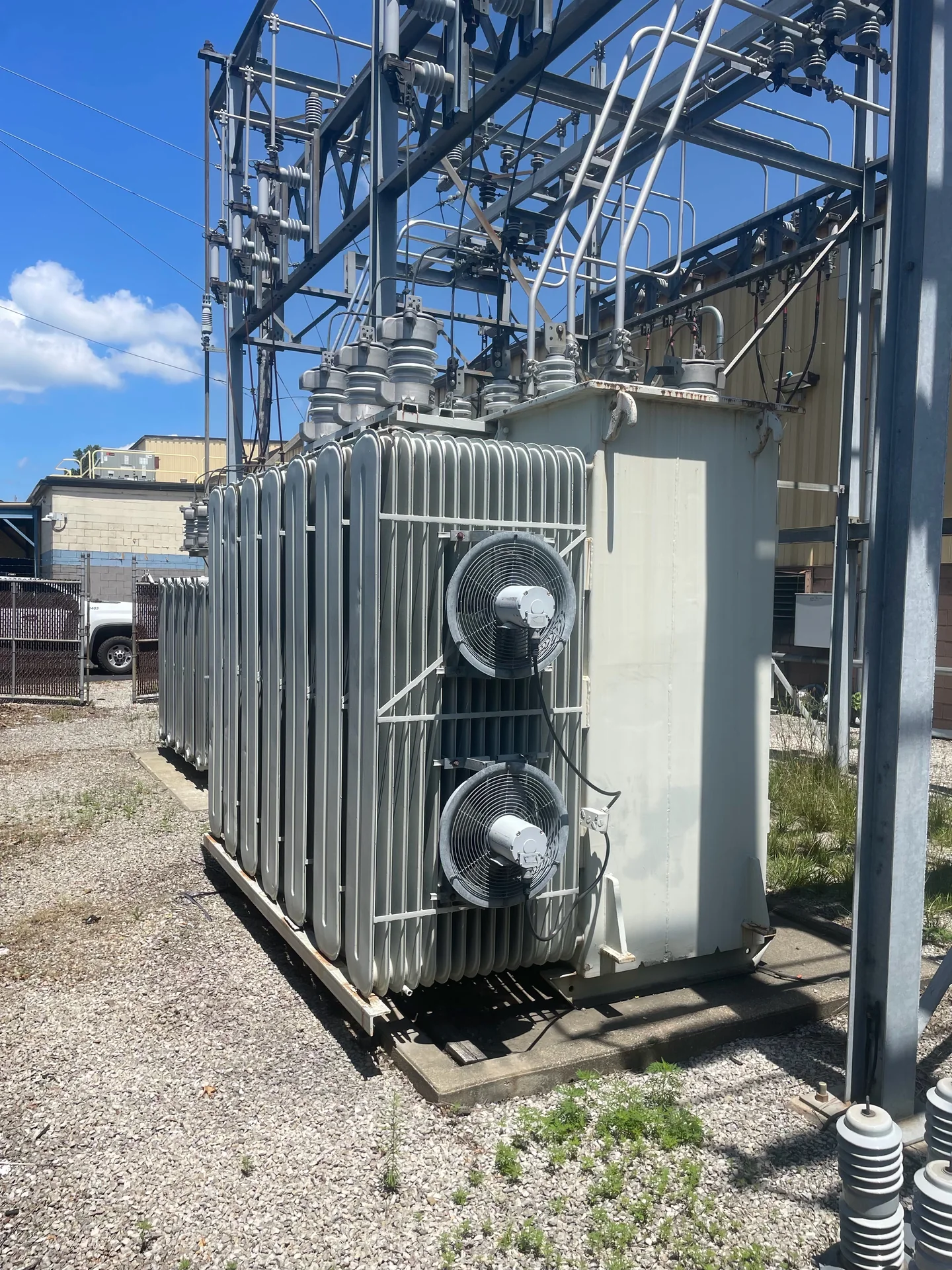
Sell Electrical Transformers in Mississippi — Planning Guide
This guide is written for electrical contractors, facility managers, utilities, manufacturers, demolition teams, and equipment resellers preparing to sell new, used, or surplus transformers anywhere in Mississippi. It outlines the documentation buyers typically request, how to qualify equipment for resale, what to note about site access and loading, long-distance freight considerations, and realistic timing expectations. We buy nationwide as a remote purchaser; this page explains steps you can complete before contacting a buyer and emphasizes using qualified professionals for any electrical, rigging, or environmental work.
Evaluation starts with facts
Share the manufacturer, rating, voltage, phase, condition, quantity, and location before discussing value or pickup.
Collect nameplate and technical data first
Buyers form initial opinions from nameplate and specification information, so assemble readable photos and a concise spec list before outreach. Key items include manufacturer, model and serial numbers, rated kVA or MVA, primary and secondary voltages, phase and frequency, cooling class and vector group, tap-changer details, and any factory test stamps. If the nameplate is damaged or missing, be transparent; uncertainty affects interest and may trigger inspection contingencies.
bullets
- Manufacturer, model and serial number
- Rated kVA or MVA and primary/secondary voltages
- Phase (single/three) and operating frequency
- Cooling class (e.g., ONAN/ONAF), vector group, tap-changer type
- Clear photos of the nameplate, test tags, and overall unit
Prepare ownership, purchase, and asset documentation
Clear title and transfer documents remove transaction friction. Collect original purchase invoices or bills of sale when available, asset-tag inventories, serial-numbered equipment lists, and any decommissioning records. If the unit passed through multiple owners, provide chain-of-custody notes or prior sale paperwork. Agree ahead of time who will sign and record the bill of sale — that written clarity helps buyers and legal teams complete a purchase without avoidable delays.
bullets
- Original purchase invoice or bill of sale if available
- Asset tags and serial-numbered inventories
- Decommissioning or transfer paperwork
- Designation of who will execute the bill of sale and transfer
Document condition, age, and test/service history
Condition and service records have a strong influence on offers. Provide the unit’s manufacture date or estimated age, visible exterior condition (rust, dents, bushing condition), and any known oil leaks. Diagnostic records such as turns-ratio tests, insulation resistance measurements, dissolved gas analysis (DGA), and oil reports are especially useful. If you lack formal test records, disclose that; buyers typically require inspection or will apply conservative allowances for unknown condition.
bullets
- Manufacture date or estimated age and exterior photos
- Recent test reports (TR, IR, DGA, oil analyses) if available
- Records of internal repairs, retrofits, or component replacements
- Notes on visible issues: corrosion, bushing cracks, oil stains
Assess site access, rigging needs, and loading logistics
Physical access often determines whether a unit can be removed economically. Describe the precise location (substation pad, roof, yard, indoor vault), gate and gate-width clearances, overhead obstructions, distance to paved truck routes, and any confined-space constraints. Note whether a crane, mobile hydraulic trailer, forklift, or gantry will be needed. Do not perform electrical disconnects or heavy lifts without qualified crews; document who will arrange disconnect, rigging, and site permits before scheduling pickup.
bullets
- Exact on-site location and approach routes for trucks and cranes
- Gate widths, overhead clearances, and required crane radius
- Ground-bearing capacity or pad ratings near the unit
- Whether site permits, traffic control, or restricted hours apply
- Preferred rigging contractors or contact details if available
Plan transport, oil handling, and long-distance freight
Freight and handling costs are major factors for out-of-area purchases. Provide accurate weight and dimensions, state whether insulating fluid is present (and its approximate volume), and disclose any temperature or contamination concerns. Oversize or overweight loads may require route surveys, permits, escort vehicles, and specialized trailers. Agree in advance who will arrange carriers, pay freight and permits, and whether the transformer needs to be drained, cleaned, or documented for environmental compliance.
bullets
- Exact unit weight and transport dimensions
- Presence and amount of insulating fluid and any oil test results
- Who arranges and pays for carriers, permits, and route surveys
- Potential special handling: cranes, multi-axle trailers, escorts
Timing, quantity, market demand, and alternatives
Realistic timelines account for evaluation, inspection, site prep, and transport — expect weeks to months depending on access and permitting. Lot size matters: multiple comparable units often attract more buyers than a single odd-sized transformer. Demand varies by type, rating, and condition and may change over time. Not every transformer will receive an offer; if a buyer declines, consider auction platforms, specialized brokers, selling for parts, or arranging recycling or qualified disposal through licensed firms.
bullets
- Allow several weeks to months from inquiry to removal
- Larger lots or common sizes typically draw greater interest
- If declined: options include auction, broker, parts sale, or licensed recycling
- Document all transfers to reduce post-sale liability
Common questions
Practical answers before you call
One clear next step