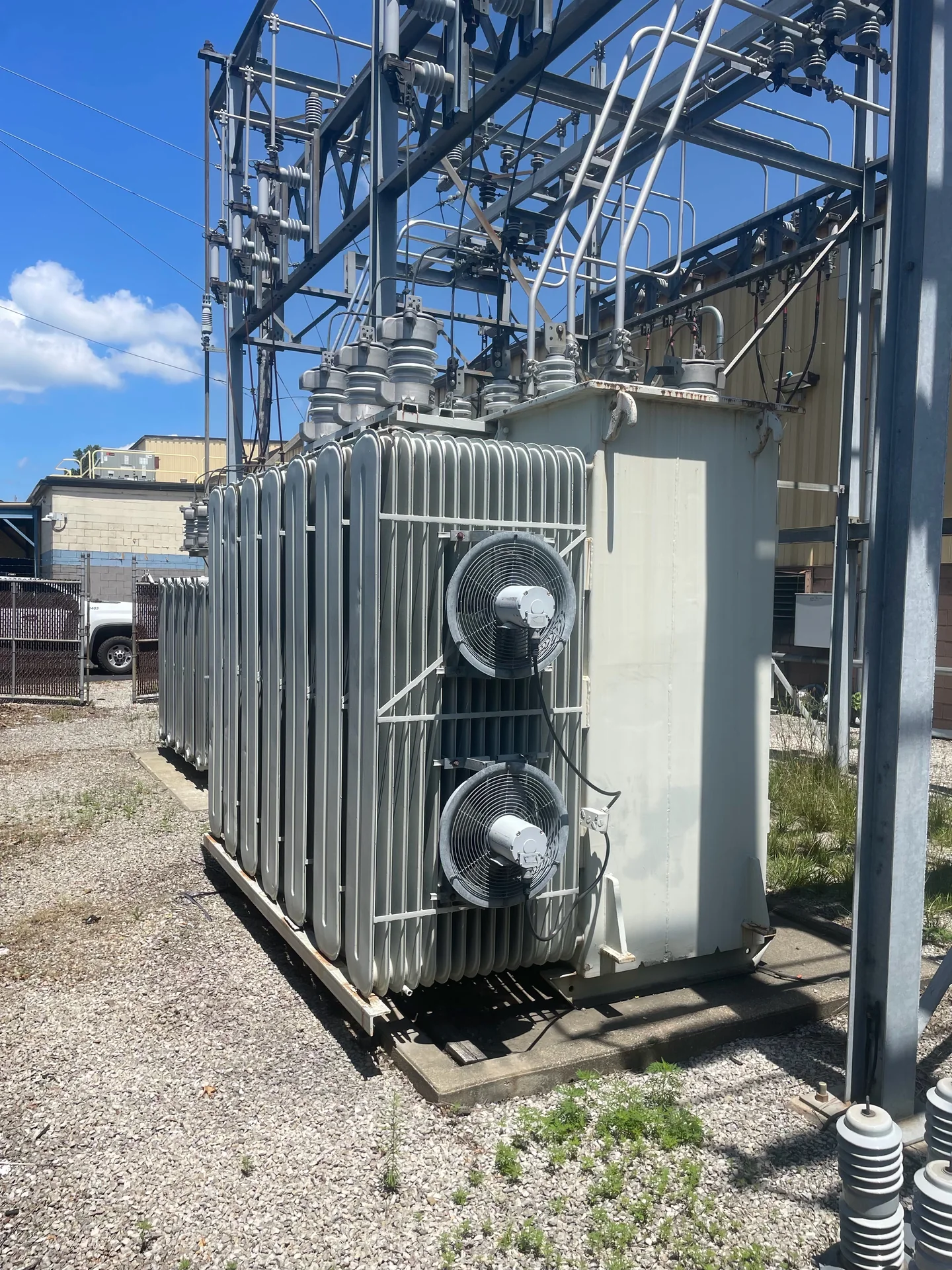
Sell Electrical Transformers in North Dakota
This planning guide is for facility managers, electrical contractors, utilities, manufacturers, demolition teams, and equipment resellers in North Dakota who are considering selling new, used, or surplus electrical transformers. It explains the documentation buyers commonly need, how to qualify equipment for resale, what site access and rigging questions to resolve, and how long the process typically takes. The guidance focuses on practical steps you can take to present assets responsibly and safely to a nationwide buyer.
Evaluation starts with facts
Share the manufacturer, rating, voltage, phase, condition, quantity, and location before discussing value or pickup.
Start with a clear inventory and ownership record
Begin by cataloging every transformer you might sell. Note manufacturer and serial number, nameplate data, kVA/MVA rating, primary and secondary voltages, phase, frequency, and the design type (pad-mounted, pole-mounted, substation, dry-type, liquid-filled, autotransformer, isolation, etc.). Record quantities and precise on-site locations so potential buyers can quickly assess scope and feasibility.
Confirm ownership and any encumbrances before marketing assets. Buyers will typically ask for proof you have authority to sell—bills of sale, surplus declarations, or asset disposition approvals. If the transformer is part of an active system, be prepared to show decommissioning permits, outage coordination records, or written confirmation that disconnection will be completed by qualified personnel in accordance with applicable requirements.
- Key nameplate and tag items: manufacturer, serial number, kVA/MVA, HV/LV voltages, phase, frequency, vector group, weight, and year of manufacture.
- Ownership documents: asset tags, purchase invoices, surplus declarations, and any lien or title documentation.
- Quantity and location: a simple spreadsheet or site map showing where each unit sits on your site.
Collect and present service, test, and condition records
Buyers rely heavily on test and service history. Gather routine test results, factory acceptance records, recent electrical tests (DGA, power factor, turns ratio, insulation resistance), and any repair or refurbishment documentation. If tests are absent, note that additional inspection may be required and could affect interest or offer levels.
Be candid about observable condition issues—external damage, corrosion, weld repairs, leaks, or evidence of overheating. Age matters, but functional condition and documented test history usually matter more. If fluids are present, clearly state the type and whether lab testing for contaminants has been completed by qualified parties.
- Typical records buyers request: factory test reports, recent maintenance logs, DGA (for liquid-filled), and outage or installation reports.
- Condition notes to prepare: visible oil stains, nameplate legibility, signs of flashover, and any past internal inspections.
Plan site access, staging, and loading requirements
Site logistics are a frequent cause of delay. Document access routes, overhead clearances, gate and bridge restrictions, ground conditions, and any seasonal limitations. Note available staging areas for rigging and truck placement. Provide photos or short video clips showing access from the nearest public road to the transformer location to help buyers plan equipment and permits.
Loading will usually require coordination between a qualified electrical contractor and a licensed rigging/transport partner. Identify structural lifting points, pad or foundation details, and approximate unit weights. If specialized rigging or crane work is needed, state this upfront. Do not attempt disconnection, reconnection, or lifting without qualified personnel and required permits.
- Access checklist: gate width, road surface, turning radius, overhead lines, and nearest truck route.
- Loading checklist: weight and dimensions, lifting points, foundation type, required crane capacity, and staging area dimensions.
Understand long-distance freight and insurance considerations
Transporting large transformers often involves flatbeds, heavy-haul trailers, or specialized carriers. Over-dimensional loads may require permits, escorts, and route surveys. Provide buyers with clear dimensions and weights so they can estimate freight needs. Depending on the buyer’s terms, you may be asked to arrange transport or to assist by providing local carriers’ access constraints.
Clarify who will be responsible for transport insurance, loading insurance, and liability during transit. Buyers and carriers will typically request proof of insurance and may set conditions on packaging, blocking, and containment for fluid-filled units. For interstate shipments, coordinate documentation for chain-of-custody and transfer-of-ownership to avoid disputes.
- Freight details to prepare: unit weight and dimensions, presence of fluids, preferred pickup window, and site-specific carrier restrictions.
- Insurance and documentation: note whether units remain insured until pickup and what transfer paperwork you can provide at handoff.
Timing, inspection process, and how offers are determined
Expect a staged process: initial inquiry from photos and specs, follow-up questions, possible remote or on-site inspection, and then an offer. Turnaround varies with complexity—single small dry-type units are quicker than multiple large liquid-filled transformers requiring DGA and rigging studies. Communicate any required removal windows or coordination constraints up front so buyers can include them in scheduling.
Offers are based on nameplate ratings, condition, testing history, quantity, buyer demand, transport complexity, and legal ability to transfer ownership. Not every transformer will receive a commercial offer; for units that do not meet resale criteria buyers may suggest auction, broker, or recycler contacts, or qualified disposal options. Be prepared to compare multiple pathways for disposition.
- Factors that most affect offers: kVA/MVA rating, manufacture date, test records, fluid condition, and ease of removal.
- Possible outcomes: direct purchase, conditional purchase pending inspection, brokered sale, auction listing, or recycling/disposal referral.
Next steps: preparing an efficient sale or disposition
Prepare a packet for each unit: a clear photo of the nameplate, a set of site photos showing access and mounting, a short condition summary, and any test or maintenance records. Label units onsite to match your inventory. This reduces inspection time and improves the accuracy of offers. If you need help assembling documentation, work with your in-house maintenance team or an outside consultant.
When you receive an offer, review the terms carefully: who pays for removal, who assumes liability at transfer, required proof of decontamination for fluid-filled units, and the timeline. Plan to have qualified contractors perform disconnection, testing, or oil handling and to comply with any applicable environmental, transportation, and electrical safety requirements in North Dakota and other involved jurisdictions. We buy nationwide and will evaluate assets from across the U.S.; this guide does not indicate any local branch presence.
- Final checklist before sale: labeled inventory, nameplate photos, access photos, ownership documents, and test records.
- Contract points to verify: removal responsibility, insurance, transfer-of-ownership paperwork, and scheduled pickup window.
Common questions
Practical answers before you call
One clear next step