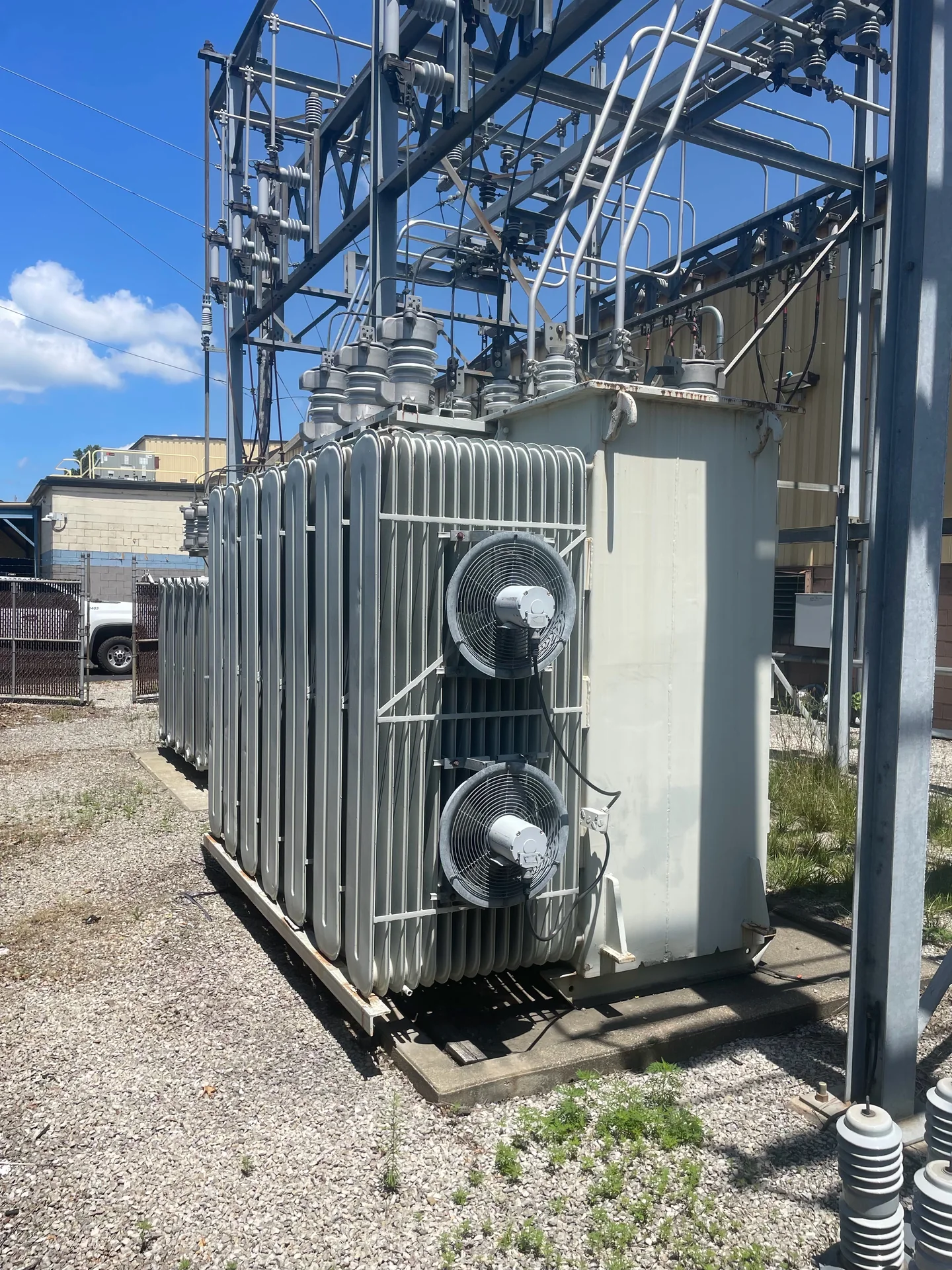
How to Sell Electrical Transformers in Pennsylvania
Whether you manage a plant, utility yard, construction project, or surplus inventory, selling electrical transformers in Pennsylvania requires practical planning. This guide explains the documentation and equipment data buyers typically require, how to evaluate condition and access, what to expect for rigging and long‑distance freight, and realistic timelines and alternatives. We operate as a nationwide buyer and aim to help you prepare assets so buyers can assess suitability and costs efficiently without implying local branches or in‑house lift services.
Evaluation starts with facts
Share the manufacturer, rating, voltage, phase, condition, quantity, and location before discussing value or pickup.
Ownership documentation: clear title speeds review
Start by assembling ownership and transfer paperwork. Useful items include purchase orders, invoices, bills of sale, asset tags, and any decommissioning or release documentation. If the transformer was at a leased site or part of a pooled asset, provide documentation that clarifies legal ownership or written authorization to sell. Clear paperwork reduces legal uncertainty, shortens due diligence, and can influence which buyers are willing to pursue an offer.
If title is unclear, note any liens, encumbrances, or third‑party interests early. Buyers and their legal teams will want to confirm transferability before completing an offer. If hazardous‑material handling or prior removal was performed, retain certificates or contractor release forms to show work was done under appropriate qualifications and regulations.
- Purchase orders, invoices, or bills of sale
- Decommissioning or release certificates
- Serial numbers and asset tag records
- Documentation of liens or third‑party interests
Collect nameplate data and specification sheets
Nameplate details are central to valuation. Photograph and record the manufacturer, serial number, model, kVA/MVA rating, primary and secondary voltages, phase (single/three), frequency, and design type (padmount, pole, oil‑filled, dry‑type, autotransformer). Include cooling class, vector group if present, impedance, and insulation ratings. Where available, attach original specification sheets or purchaser order data to speed technical review and compatibility checks with potential end users.
If the nameplate is missing or illegible, gather recent test reports and high‑resolution photos from multiple angles. Test results such as turns‑ratio, winding resistance, power factor/dissipation factor, and oil dielectric strength or dissolved gas analysis become more important when nameplate data are incomplete.
- Manufacturer, model, and serial number
- kVA/MVA, voltages, phase, and frequency
- Design type, cooling class, vector group
- Available test reports and spec sheets
Condition disclosure: be candid about defects
Honest condition reporting saves time. Describe visible corrosion, paint loss, past repairs, oil stains or documented leaks, evidence of overheating, and any damage from external events. Distinguish cosmetic issues from functional problems and note whether recent testing found electrical or dielectric failures. Buyers will use this input to classify units as resale‑ready, refurbishment candidates, or material for recycling.
If testing has not been performed recently, state that fact. Buyers and service shops may require up‑to‑date electrical and oil analyses before issuing a firm offer. Full transparency reduces surprises during inspection and helps both parties plan for potential refurbishment, testing costs, or certified disposal.
- Visible corrosion, rust, or structural damage
- Evidence of oil leaks or past repairs
- Recent electrical and oil test results (if available)
- Known operational issues or incident history
Site access, rigging, and safety considerations
Document how the transformer is sited and how heavy equipment can reach it. Identify whether the unit is indoors, padmounted in a yard, pole‑mounted, rooftop, or inside a fenced substation. Note roadway width, gate clearances, overhead obstacles, and distances to a safe staging area for a truck or crane. Clear photographs showing approach routes, gates, and nearby structures accelerate lift planning and provide carriers with the information they need to quote accurately.
Transformer de‑energization, disconnection, rigging, and lifting must be performed by qualified personnel following applicable safety standards and local regulations. Buyers typically rely on seller‑arranged contractors or coordinate with seller‑appointed teams. Clarify who will handle electrical isolation, protective grounding, fluid draining, and certified rigging so the offer can specify responsibilities and any credits or deductions that reflect seller‑arranged work.
- Access route photos and dimensions
- Staging area and ground bearing notes
- Indicate indoor/outdoor and substation access controls
- Specify which party will arrange de‑energization and rigging
Freight and long‑distance logistics
Freight costs and regulations materially affect offer viability. Provide transformer weights and full dimensions so carriers can determine if an oversized load permit, escorts, or specialized trailers are required. Large power transformers often need heavy‑haul equipment and permitting that add time and expense. Smaller dry‑type or distribution units commonly ship on standard trailers but may still need palletization or blocking for long trips.
Buyers may include pickup and freight in their offer, deduct estimated carrier charges, or ask the seller to arrange transport. Whichever approach you use, confirm who is responsible for packaging, environmental containment for fluid‑filled units, and carrier insurance. Accurate upfront freight estimates reduce negotiation over net proceeds and scheduling conflicts.
- Provide weights, overall dimensions, and lifting points
- Note need for permits, escorts, or special trailers
- Clarify responsibility for packaging and freight booking
- Prepare for longer lead times on oversized shipments
Timing, offers, and realistic alternatives
Expect a multi‑step timeline: initial inquiry, document review, photo assessment, possible onsite inspections or third‑party tests, and freight coordination. A small, well‑documented unit can move faster; large grid transformers typically take weeks to months because of testing, permits, and carrier scheduling. Not every unit receives an offer; suitability depends on condition, documentation, quantity, and current buyer demand for that type and rating.
If a direct purchase is unlikely, consider alternatives: auction platforms that attract regional buyers, independent brokers who market condition‑challenged assets, certified recyclers for end‑of‑life units, or qualified disposal under environmental rules. Discuss these paths early so you can weigh storage costs, refurbishment expenses, and removal timelines against expected results.
- Typical steps: inquiry → documentation → inspection → offer → logistics
- Alternatives: auction, broker sale, certified recycling/disposal
- Plan for weeks to months for large or complex moves
- Clear records and prepared access shorten timelines
Common questions
Practical answers before you call
One clear next step