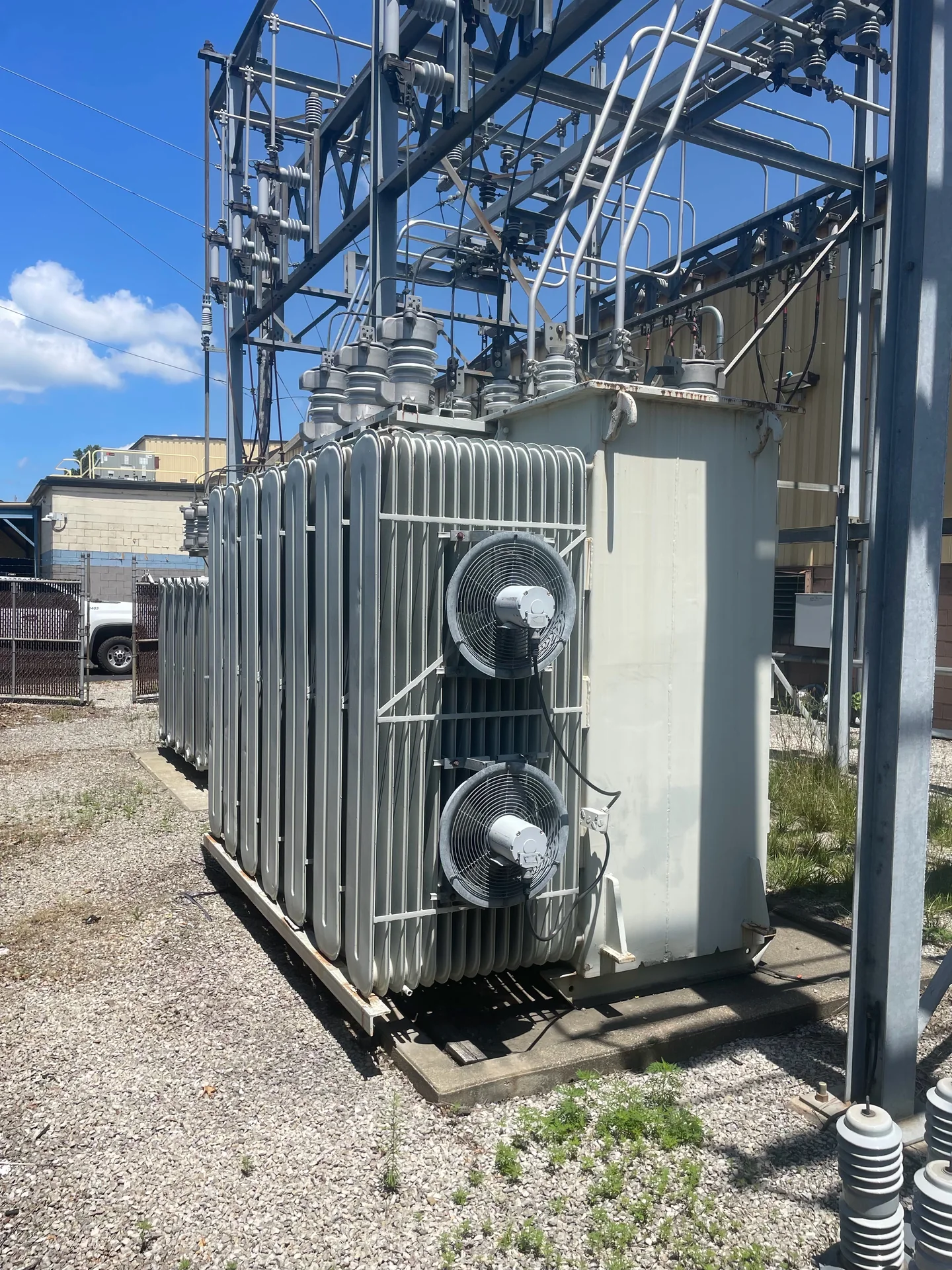
Sell Electrical Transformers in South Carolina — Planning Guide
Selling an electrical transformer — whether surplus, spares, or an entire fleet — requires planning that protects value and reduces delays. This guide helps South Carolina owners and project managers prepare equipment and documentation so buyers can assess units accurately, logistics are clear, and realistic timelines are set. It focuses on what buyers typically need to evaluate a purchase while noting alternatives if a direct sale is not appropriate. We purchase transformers nationwide; this page is a planning resource for sellers in South Carolina and does not imply a local branch or in-house crews. Transformer disconnection, testing, rigging, oil handling, and transport should be performed by qualified professionals under applicable codes and permits. The sections below follow a logical sequence from qualification and paperwork through site access, loading, and final shipment.
Evaluation starts with facts
Share the manufacturer, rating, voltage, phase, condition, quantity, and location before discussing value or pickup.
Verify and document nameplate and technical data
The most useful information a seller can provide is clear nameplate data and supporting technical documentation. Buyers rely on manufacturer, model, serial number, kVA or MVA rating, primary and secondary voltages, phase, frequency, cooling/design type (for example ONAN/ONAF), impedance, and vector group where applicable. Photograph the nameplate and any data plates on the tank and conduit boxes, and list quantity and location of each unit if you have multiple transformers.
If you have additional assets such as load tap changers, bushings, or removable radiators, document them separately. Service and test records (routine maintenance, DGA/gas analyses, turns ratio, insulation resistance, power factor) materially affect buyer interest and valuation. If precise test reports aren’t available, note the last documented maintenance date and any known issues; honesty shortens the review cycle and avoids wasted site visits.
Condition, age, and qualification considerations
Age and visible condition are primary factors for many buyers. Describe manufacturing date, years in service, and any history of repairs, major incidents, or retrofits. Be specific about leaks, corrosion, denting, or missing components. For oil-filled units, state whether oil has been sampled and its last testing date; for dry-type units, note any thermal or arc-related damage. Buyers may request in-person inspection or third-party testing depending on risk and value.
Not every unit will receive a purchase offer. Some transformers are best handled through auction, broker listing, parts resale, recycling channels, or qualified disposal. If a unit is significantly damaged, contaminated, or missing critical documentation, disclose this up front so buyer responses are realistic and you can consider alternate routes without delay.
Ownership records, title, and site permissions
Confirm ownership and be prepared to show proof or provide a signed authorization to sell. If the transformer is located on leased, tenant, or shared property, obtain written permission from the property owner or facilities manager before scheduling inspections or removal. For government, utility, or industrial sites, understand internal clearance processes that can lengthen project timelines and influence access requirements.
Buyers will ask about liens, encumbrances, or fleet transfer paperwork. If equipment was acquired through a previous sale or asset transfer, gather invoices, purchase orders, or asset tags to clarify chain of custody. Clear ownership and timely authorization often speed offers and prevent later disputes.
Site access, rigging, and loading logistics
Describe the transformer's precise location on site, building floor or pad coordinates, and any obstacles between the unit and nearest truck access. Note clearances under doorways, gate widths, overhead lines, and ground conditions along the egress route. Provide photos that show surrounding access roads, yard surfaces, and the transformer in situ to help buyers estimate crane or lift requirements and staging needs.
Do not attempt de-energization, disconnection, or lifting without qualified personnel. Buyers will often coordinate with the seller’s contractors or independent rigging vendors, and some will rely on the seller to arrange a certified rigger. Include whether you can furnish an onsite rigging plan, preferred contractors, or whether the site requires special permits, traffic control, or restricted hour work windows.
Long-distance freight and transport considerations
When units must move long distances from South Carolina, freight costs and special transport permits can be material to the net proceeds. Provide gross and net weights, dimensions, and whether the transformer will ship on a flatbed, step deck, or require an overweight/oversize permit. Buyers evaluate the pickup location’s accessibility to highway routes, staging areas for crane lifts, and nearest weigh stations when estimating transport pricing.
Discuss whether the transformer will ship intact, be partially dismantled, or require specialized crating. For international or intermodal moves, list any customs documentation or export restrictions you anticipate. Clear communication about freight constraints early in negotiations avoids late-stage adjustments to offers.
Project timeline and how buyer demand affects offers
Be realistic about timing. Typical workflows include an initial technical review, a site visit or remote inspection, an offer period, and scheduling for removal and shipment. Some buyers operate on short windows when demand is high; others may require longer lead times for scheduling riggers and carriers. Share critical dates such as site shutdown windows, lease expirations, or project milestones that influence when the unit must be cleared.
Buyer demand fluctuates by size, type, and condition of transformers. High-demand models with full documentation and easy access generally move faster and attract more competing offers. Conversely, specialized, aged, or poorly documented units can take longer and may lead you to explore auctions, brokers, or salvage/recycling to recover value.
- Include realistic availability dates for inspections and removal
- Provide any site-specific scheduling constraints up front
- Expect offer validity periods to vary with market interest
Common questions
Practical answers before you call
One clear next step