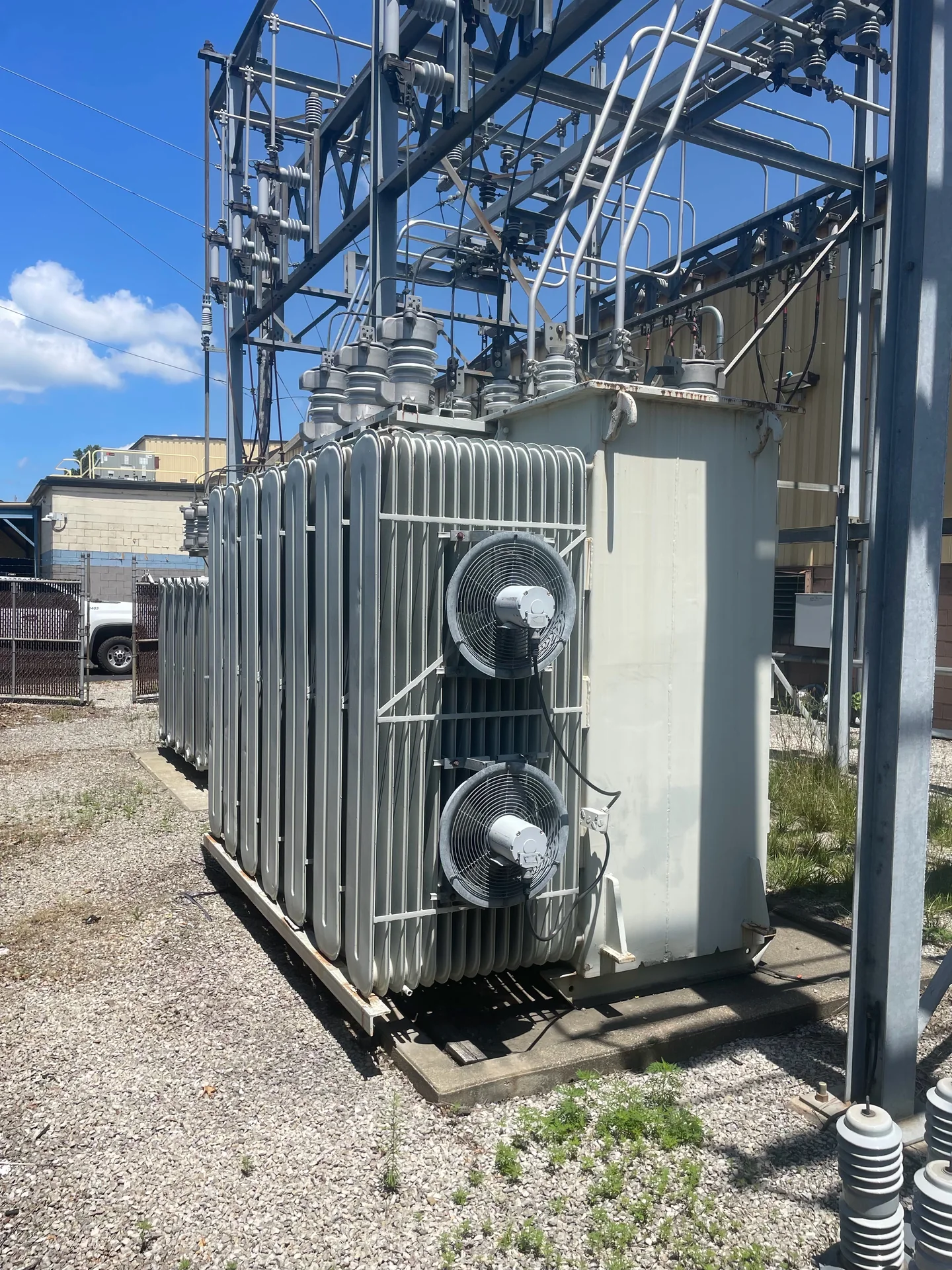
How to Sell Electrical Transformers in South Dakota
This guide helps owners and project managers prepare electrical transformers for sale anywhere in South Dakota. It focuses on what buyers typically need to evaluate equipment—nameplate data, test records, ownership history, physical condition, and site logistics—so you can gather information ahead of contact. We are a nationwide buyer; this page explains planning and documentation so you can decide the best route to sell, consign, recycle, or otherwise remove transformers from your site.
Evaluation starts with facts
Share the manufacturer, rating, voltage, phase, condition, quantity, and location before discussing value or pickup.
Start with the documentation buyers expect
Collectors and buyers rely heavily on documentation to qualify transformers before an inspection or bid. Gather clear photos of nameplates and ratings, manufacturer and model numbers, serial numbers, kVA/MVA rating, primary and secondary voltages, phase, frequency, and design type (for example, pad-mounted, pole-mounted, or dry-type). Include any original specification sheets, maintenance logs, and purchase or ownership records that establish title. Digital photos of the nameplate and the whole unit, taken from multiple angles, are especially useful for remote evaluations.
bullets
- Essential: nameplate photos showing ratings, serial number, and manufacturer
- Service history: repairs, tap-changer records, relay or protection replacements
- Test reports: recent insulation, turns-ratio, power-factor, and winding-resistance tests
- Ownership proof: purchase orders, bills of sale, utility transfer paperwork
- Site data: GPS coordinates, building/yard access points, and any encumbrances
How equipment qualification and condition affect interest
Buyers evaluate specification and condition together. Key items are kVA/MVA, voltage levels, phase, cooling/power design, age, and manufacturer reputation. Condition issues such as oil leaks, rusted radiators, compromised bushings, or missing components materially affect usability and transportability. Test and service records reduce uncertainty and often lead to better offers because they show the unit was maintained and tested to industry standards. Be honest about known deficiencies—accurate disclosure speeds decision-making and avoids surprises during inspection.
bullets
- Nameplate vs. actual condition: discrepancies should be documented and explained
- Age matters: older or obsolete designs may have limited resale demand
- Fluid-filled units: disclose fluid type and any known contamination or remediation
- Quantity: multiple identical units can attract logistics savings and higher interest
Assess site access, rigging, and loading needs early
Safe removal requires qualified professionals; do not attempt electrical disconnection or heavy rigging without certified crews. Collect site details buyers will need: clearances, gate widths, overhead obstructions, surface types (paved, gravel, mud), distance from nearest public road, staging areas, and any weight limits on approaches. Note whether cranes, forklifts, or flatbeds are required and whether the site has room for those vehicles. Photos or short videos of the access route and the transformer in place speed planning and help buyers estimate rigging costs.
bullets
- Access checklist: gate width, overhead wires, turn radii, roadway weight limits
- Rigging notes: estimated lift weight, anchor points, and available lifting gear on site
- Safety: confirm a qualified electrical contractor will handle disconnection under applicable rules
Plan for long-distance freight and consolidation
Freight is a major factor for out-of-state or remote moves. Buyers will consider distance to their depot, truck availability, required permits, escort vehicles for oversized loads, and whether units can be consolidated with other purchases. Consolidation of multiple transformers from the same site or region often reduces per-unit transport costs. Provide accurate weights and dimensions, or arrange for a weigh ticket, to enable realistic freight estimates. Discuss insurance, liability during transit, and who will arrange the carrier early in negotiations.
bullets
- Provide weights and dimensions or a recent weigh ticket
- Identify if special transport (lowboy, flatbed, over-dimensional permit) will be needed
- Consolidation: grouping multiple units lowers per-unit freight and can broaden buyer interest
Project timing, inspection, and decision points
Map a realistic timeline: documentation assembly, initial remote evaluation, on-site inspection, disconnection scheduling, rigging and loading, and freight transit. Buyers vary in lead times based on inspection resources and carrier schedules; be prepared for inspection windows and coordination with third-party contractors. If you have project deadlines—site demolition, relocation, or compliance-driven removal—communicate those early so buyers can indicate feasibility. Keep in mind that not every transformer will receive a purchase offer; some may be better suited to auction, broker resale, recycling, or qualified disposal.
bullets
- Typical steps: paperwork → remote review → site inspection → disconnecting → loading → transport
- Be transparent about deadlines to allow realistic scheduling
- If sale isn’t viable, consider auction, broker, recycler, or permitted disposal options
Next steps when contacting a nationwide buyer
When you contact a nationwide buyer, have your documentation and subject photos ready to speed evaluation. Be prepared to discuss quantity, condition, access, and preferred timing. Expect questions about ownership and any environmental information you have on fluids or contaminants; buyers will ask for disclosures and may require proof of title. Remember that the company operates as a nationwide purchaser—not a local branch—and that any on-site disconnects, handling, testing, or disposal must be performed by qualified parties under applicable laws and standards.
bullets
- Prepare: nameplate photos, test reports, ownership documents, access photos
- Clarify: quantity, preferred dates, and any known environmental issues
- Understand alternatives if an offer isn’t made: auction, broker resale, scrap recycling, or qualified disposal
Common questions
Practical answers before you call
One clear next step