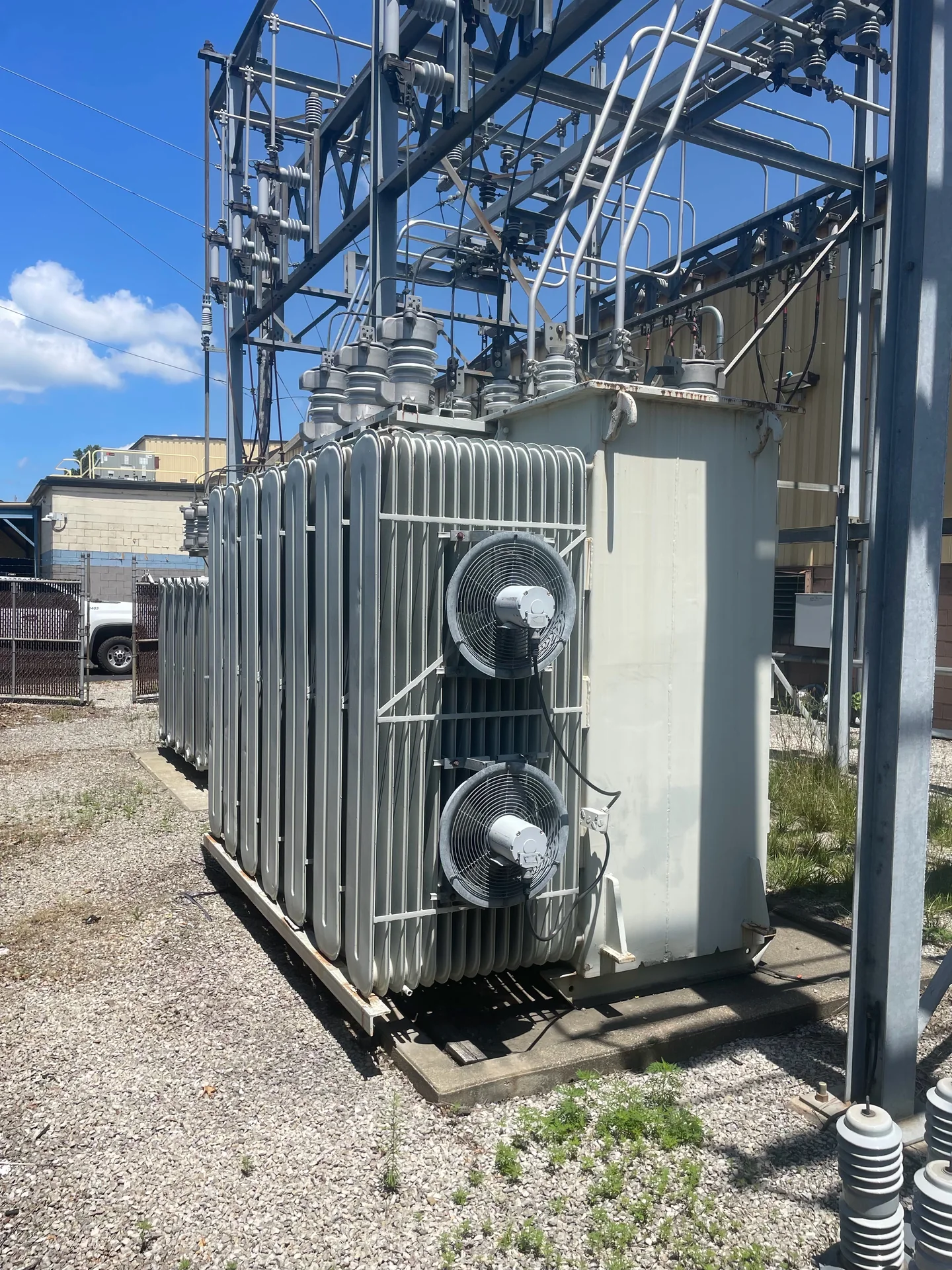
Sell Electrical Transformers in Utah
This page is a practical, statewide planning guide for owners and sellers of new, used, or surplus electrical transformers in Utah. It is written for electrical contractors, facility managers, utilities, manufacturers, demolition teams, and equipment resellers who need to prepare units for sale or removal. The guidance focuses on the information buyers typically need, how to document equipment and site conditions, and realistic logistics considerations. We are a nationwide buyer and will explain what factors influence interest and next steps.
Evaluation starts with facts
Share the manufacturer, rating, voltage, phase, condition, quantity, and location before discussing value or pickup.
Start by identifying who should use this guide
This guide is for anyone preparing to sell or remove transformers across Utah — from municipal utilities and industrial plant managers to contractors clearing job sites and brokers handling surplus assets. If you manage assets that are redundant, decommissioned, or part of a demolition, this checklist helps you gather the facts buyers ask for and evaluate options before soliciting offers.
Use the guide to determine whether an in‑place removal, staged pickup, long‑distance shipment, auction, or recycling route is most practical given unit condition, quantity, site access and local constraints.
Document the equipment: nameplate and technical data
Buyers make preliminary decisions from the nameplate and key technical details. Record manufacturer, serial number, kVA or MVA rating, primary and secondary voltages, phase and frequency, design type (e.g., core‑form, shell‑form, autotransformer), cooling method, tap changer details, and approximate weight and dimensions. Include the unit’s year or estimated age when available.
If the transformer contains insulating fluid, note fluid type. Where available, include service and test records such as turns ratio, insulation resistance, oil dielectric strength, dissolved gas analysis (DGA), and most recent maintenance actions. Clear photos of the nameplate, rating plate, and unit condition are essential.
- Photo: nameplate, rating plate, serial number
- Photo: full unit from multiple angles showing connections
- Documents: test reports, maintenance logs, purchase or commissioning records
- Technical data: kVA/MVA, voltage, phase, frequency, cooling class
Ownership, transferability and required documentation
Confirm ownership and gather records buyers will request. Typical documents include purchase invoices, original asset tags, bill of sale or surplus authorization, and any lien or encumbrance clearance. If assets are government or utility owned, ensure you can provide the correct surplus disposition paperwork and point of contact for transfer approvals.
Disclose environmental or regulatory records when relevant, such as historic PCB testing or incident reports. Buyers will rely on accurate disclosures to assess liability and compliance needs; if you’re unsure, consult legal or compliance professionals before listing.
- Ownership proof: invoice, asset tag, surplus authorization
- Encumbrance check: lien or loan payoff documentation
- Environmental disclosures: known PCB tests, spills, or remediation
Site access, rigging and loading considerations
Practical access and handling determine whether a unit can be removed efficiently. Provide details on site layout, gate and road widths, overhead clearances, utility disconnection points, pad or foundation configuration, and any weight limits on approach routes. Specify whether a crane, skid steer, forklift or specialized trailer is likely required.
Do not attempt energization, disconnection, testing, rigging or transport without qualified professionals. Buyers and transport crews will ask about required crane capacities, lift points, skid profiles and whether the transformer is still on a pad or mounted. If you have a preferred contractor, share their contact information.
- Access checklist: road width, gate height, overhead obstructions
- Rigging facts: estimated lift weight, available lift points, pad or skid type
- Disconnection: confirm the unit is de‑energized by qualified personnel before pickup
Long‑distance freight, storage and timing
For out‑of‑state or cross‑country moves, logistics affect price and feasibility. Provide exact weights and dimensions for shipping quotes; some transformers require special permits, overweight trailers, escorts, or temporary road closures. Indicate whether the unit can remain on site for staging and how long it can be held before pickup.
Ask multiple freight providers for quotes and confirm insurance, loading/unloading responsibilities and any staging or storage fees. Buyers may factor freight estimates and seasonal access conditions into offers, so accurate data and realistic schedule windows help speed decisions.
- Freight factors: weight, dimensions, route permits, escort requirements
- Storage/timing: how long the unit can remain on site, preferred pickup windows
- Insurance: what party provides cargo and liability coverage during transit
Condition, testing, sale options and next steps
Condition and testing history strongly influence interest. Units with recent test records and clean oil reports typically attract more buyers. Corrosion, significant winding damage, severe oil contamination, missing nameplates or unknown ownership can limit offers or shift the outcome to a recycler or disposal path. Be transparent about visible issues and provide supporting documentation where possible.
Not every transformer will receive an offer from every buyer. If a direct sale is not viable, consider alternatives: auction houses that handle industrial equipment, independent brokers who market to a broader buyer base, certified recyclers for end‑of‑life units, or qualified disposal contractors for hazardous materials. Discuss timelines and costs for each path before committing to one.
- If you have test reports, attach them to initial inquiry to speed evaluation
- Consider volume: multiple units may be marketed differently than a single item
- If hazardous materials are present, disclose them and plan for licensed handling
Common questions
Practical answers before you call
One clear next step