Sell Electrical Transformers in Atlanta — Planning Guide
This planning guide is for owners, contractors, facility managers, and resellers in the Atlanta metro preparing electrical transformers for sale or removal. It focuses on practical preparation: documenting nameplate and test data, identifying site-access and permitting constraints, framing rigging and loading needs, evaluating disposition channels, and coordinating logistics with buyers outside the region. Availability and purchase fit always depend on the specific unit, its condition, records, and the project details; not every transformer will receive an offer.
Evaluation starts with facts
Share the manufacturer, rating, voltage, phase, condition, quantity, and location before discussing value or pickup.
1. Capture complete equipment documentation
Start any sale conversation by assembling clear, factual equipment records. Photograph the nameplate so manufacturer, serial number, kVA or MVA rating, primary and secondary voltages, phase, frequency, vector group or design type, and cooling class are legible. Note the unit’s age, visible condition, repair history, and whether tests such as turns-ratio, insulation resistance, or dissolved gas analysis exist. Buyers evaluate reuse potential from these items, so completeness speeds screening and reduces follow-up site visits.
bullets
- Nameplate details: make, serial, kVA/MVA, voltages, phase, Hz, vector group
- Historic records: test reports, maintenance logs, and repair invoices
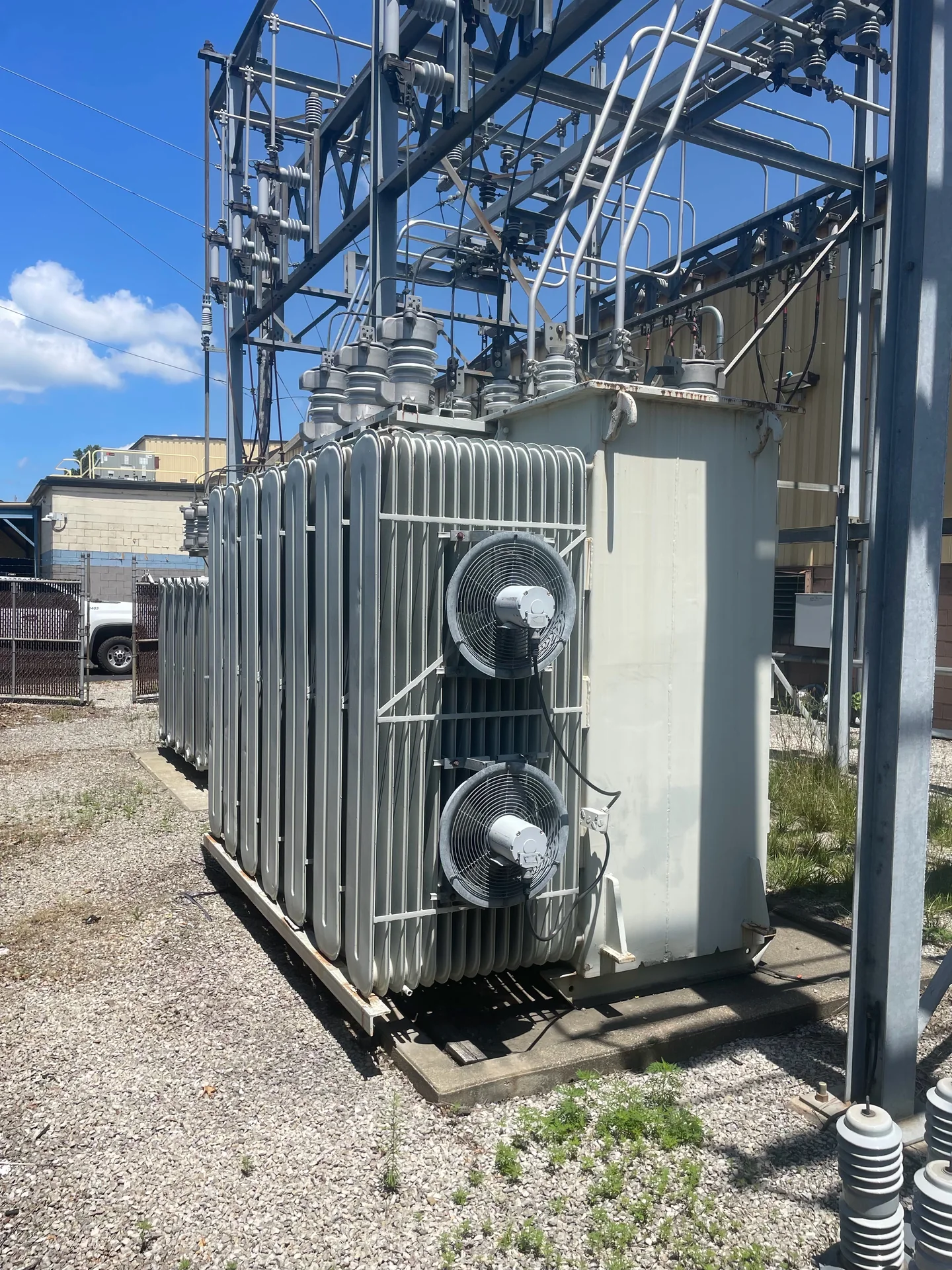
- Photos: close-ups of bushings, conservator, radiators and full-unit context
- Quantity and grouping: single unit or multiple identical transformers
- Ownership and lien information or removal authorization
2. Map site location and access constraints
Document the transformer’s exact location and the on-site access conditions that will affect pickup. Include street address, gate or security procedures, curb distance to the unit, available staging or laydown areas, and any overhead utilities or low clearances. Note road weight limits, tight turns, and whether the transformer sits inside a locked substation or industrial yard. Early clarity about access reduces surprises during freight quoting and determines whether specialized cranes or smaller lifts are required.
bullets
- Exact address, gate codes, security contact and hours
- Clearances: overhead wires, bridge/road weight limits, turning radius
- Staging area size for trucks, cranes or trailers
- Proximity to public roads and need for traffic control or permits
- Substation security or utility coordination requirements
3. Prepare for rigging and loading discussions
Rigging conversations center on unit type, weight, lift points, and any liquids. Identify whether the unit is pad-mounted, substation core-and-coil, pole-mounted, or mobile, and provide approximate weight and outside dimensions. Photograph or note certified lifting points, saddles, and skids. Disclose the presence and type of dielectric fluid and whether lab results or contamination issues exist. Do not attempt electrical isolation, fluid removal, or lifting yourself — those tasks must be done by qualified professionals in compliance with applicable rules.
bullets
- Unit classification and approximate gross weight and dimensions
- Location of certified lift points, saddles, or required cribbing
- Status of dielectric fluids and any available test results
- Whether de-energization or switching by the utility is needed
- Photographs showing clear approach paths for lift equipment
4. Compare disposition channels and what suits your project
Choose a disposition path based on condition, documentation, timeframe, and market demand. Direct sale to a specialist suits units with solid nameplate data and recent tests. Auctions widen the buyer pool but add fees and price uncertainty. Brokers can place unusual or vintage equipment but will charge a commission. Recycling or qualified disposal is appropriate for badly damaged or contaminated units; recyclers typically handle environmental compliance but pay based on scrap metal and fluid value. Weigh timing, paperwork, and potential costs when selecting a route.
bullets
- Direct sale: efficient when reuse potential is clear from records
- Auction: broader exposure, less predictable final price
- Broker: specialist market access for odd voltages or rare makes
- Recycler/disposer: manages environmental handling for damaged units
- Keep alternates ready if a buyer declines after site inspection
5. Coordinate logistics with a nationwide buyer
When dealing with buyers who operate regionally or nationally, clarify paperwork, responsibilities, and timelines early. Expect requests for proof of ownership, detailed photos and test reports, and written removal authorizations. Confirm whether the buyer will arrange freight and rigging or if the seller must secure contractors. Agree on who carries insurance and liability during removal and transit and set a tentative pickup window with contingency plans for delays and permitting. Buyers may decline after on-site inspection if condition differs from documentation.
bullets
- Provide ownership proof and any required removal authorizations
- Agree who schedules rigging, cranes and transport carriers
- Confirm insurance and liability for removal, transit and storage
- Set pickup window and identify alternate dates for permits or delays
6. Practical checklist to accelerate decisions
Use a short checklist to streamline buyer inquiries and contractor quotes. Assemble nameplate photos, test records, several site photos from different angles, and a concise access description. Identify any local permits, traffic control needs, or utility coordination. Contact qualified electrical and rigging contractors for preliminary scope and a rough quote so buyers can evaluate total removal cost. If a buyer passes, contact auction houses, brokers, or certified recyclers as alternatives to avoid project delays.
bullets
- Photo package: nameplate, bushings, conservator area, surroundings
- Document package: serial, kVA/MVA, voltages, phase, test reports
- Site package: address, staging, clearance, permit notes
- Get preliminary quotes from qualified riggers and electricians
- Prepare ownership paperwork and a signed removal authorization
Service-area context
Planning a sale in Georgia
This city guide is part of the broader Georgia service-area directory. Review statewide pickup and documentation considerations before arranging an equipment review.
Explore the Georgia transformer guideCommon questions
Practical answers before you call
One clear next step