Sell Electrical Transformers in Charlotte — Planning Guide
This planning guide helps electrical contractors, facility managers, demolition teams, and equipment resellers in the Charlotte metro prepare a transformer sale or removal. It focuses on documenting nameplate and condition data, assembling service and ownership records, surveying site-access constraints, preparing for rigging/loading conversations, comparing sale or disposal routes, and coordinating logistics with a nationwide buyer. Availability and purchase fit depend on the actual unit and project; not every transformer will receive an offer.
Evaluation starts with facts
Share the manufacturer, rating, voltage, phase, condition, quantity, and location before discussing value or pickup.
1. Start by documenting the unit’s identity and specs
Gather the nameplate and any stamped or cast identifiers first. Key fields buyers read early are manufacturer, serial number, kVA or MVA rating, primary and secondary voltages, phase, frequency, cooling/insulation type, design (pad‑mounted, pole, dry‑type, liquid‑filled), and build year if shown. Clear nameplate photos speed screening and reduce follow‑up questions. If the nameplate is obscured, take multiple close and wide photos and note any visible markings or tag numbers for later verification.
Bullets
- High‑resolution close‑up of the nameplate (readable and glare‑free).
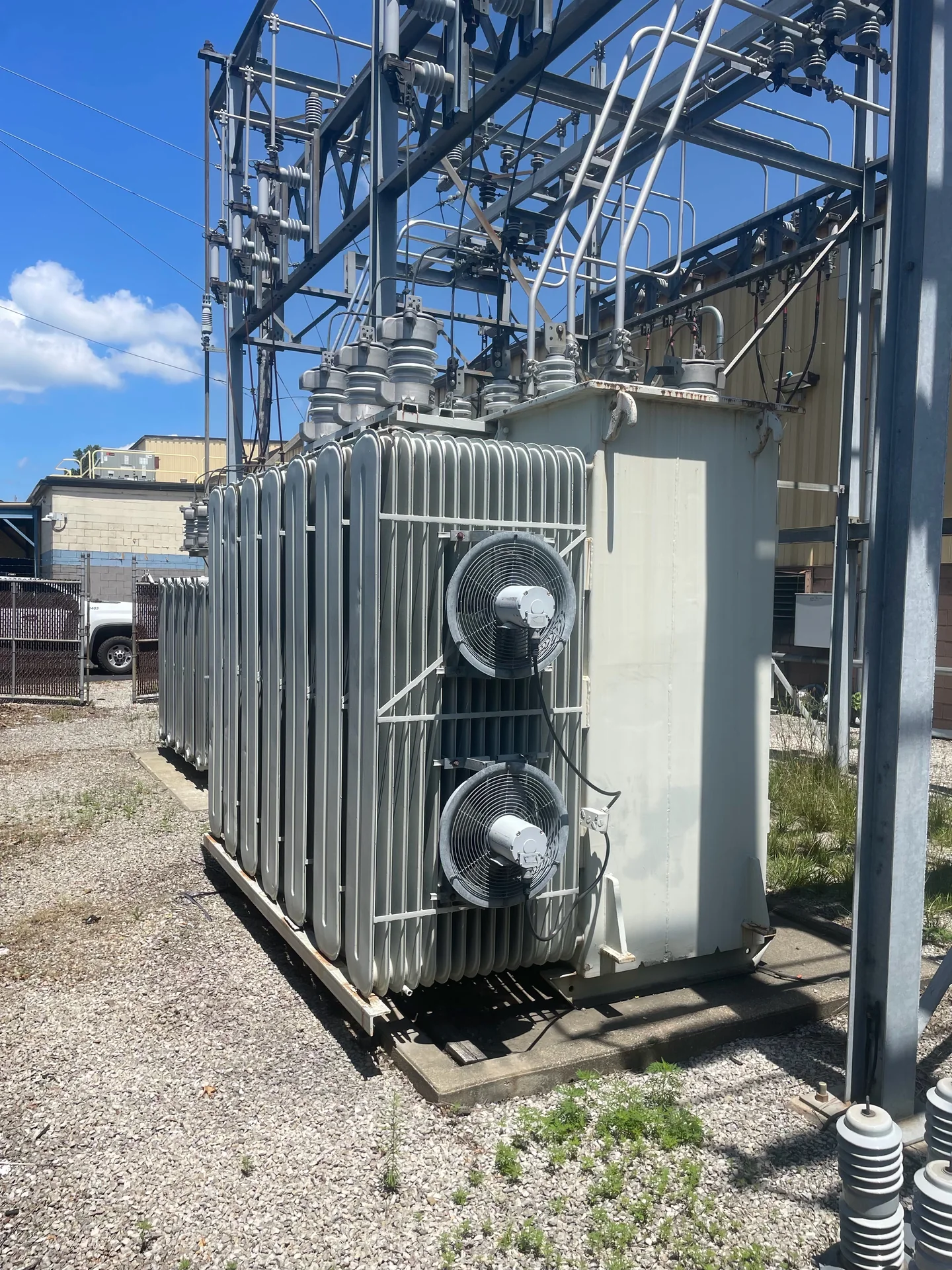
- Wide photos showing unit orientation, nearby structures, and mounting type.
- Shots of bushings, secondary terminations, tap‑changer access, and cooling fans.
- Note cooling medium (mineral oil, ester, or dry) and visible leaks or corrosion.
2. Assemble service, test, and ownership records
Collect any dielectric, dissolved gas analysis (DGA), turns‑ratio, insulation resistance (megger), or power‑factor test results you have. Maintenance logs, repair invoices, and recent infrared or load surveys are valuable to buyers assessing condition and remaining life. Also gather proof of ownership, purchase receipts, or asset tags. Where records are missing, provide a concise summary of known repairs, past load history, and whether the unit has been energized recently so potential buyers can evaluate risk and inspection needs.
Bullets
- Attach recent oil test reports or DGA results when available.
- Include turns‑ratio and insulation resistance reports or note if not present.
- Provide maintenance invoices and dates of major repairs or component swaps.
- Document ownership or bill‑of‑sale details if requested by buyers.
3. Survey site access and physical constraints
Survey how the transformer will reach public roads and where a crane or truck can set down. Record gate widths, driveway slopes, turning radii, staging area dimensions, nearby sidewalks, and any weight limits or bridges on the approach. In Charlotte’s mixed urban and industrial neighborhoods, confined yards, limited staging, and nearby utilities can complicate removal. Photographs from approach routes and measurements reduce surprises during planning and help riggers and carriers provide realistic plans and quotes.
Bullets
- Approach photos showing curb cuts, gates, and nearby traffic flow.
- Measurements for gate and driveway width, and available staging area.
- Note overhead wires, tree canopy, and adjacent structures within 50–100 feet.
- Flag municipal restrictions, permits, or known weight limits on access roads.
4. Prepare for rigging, loading, and environmental flags
When discussing rigging or transport, provide weights, lifting points, and mounting details from the nameplate and photos. Explain whether the unit must be de‑energized or if fluid draining and containment are required. Do not perform electrical disconnection, fluid handling, testing, or rigging yourself unless you are a qualified contractor; recommend qualified professionals and follow applicable regulations. Clear upfront notes on lifting gear, eye points, and environmental containment help buyers and rigging firms scope the job and assign responsibilities.
Bullets
- Provide estimated gross weight and specific lifting or bracing points.
- Indicate if the unit contains oil, whether PCB status is known, and if draining is required.
- State who will de‑energize and isolate the equipment; name the qualified party.
- Confirm whether buyer or seller will arrange crane, trucking, traffic control, and containment.
5. Compare sale routes: direct buyer, auction, broker, or recycling
Choose the route that fits quantity, condition, documentation, and timeline. Direct sales to nationwide buyers often work best for well‑documented, common transformer types where buyers can coordinate freight. Auctions or brokers can reach wider markets and find niche buyers for unusual units but typically take longer and incur fees. Recycling or scrap should be considered for heavily damaged or non‑serviceable units; environmental handling requirements and disposal costs can affect net proceeds. A split approach—selling good units directly and recycling low‑value ones—can be practical.
Bullets
- Direct sale: efficient for documented, common units when you prefer coordinated logistics.
- Auction/broker: broader exposure, possible higher bids, longer timeline and fees.
- Recycler/scrap: appropriate for badly damaged or hazardous units; factor disposal rules.
- Split strategy: sell serviceable units, recycle or responsibly dispose of the rest.
6. Coordinate the transaction with a nationwide buyer
A clear documentation package and a single point of contact speed transactions. Typical steps include sending photos and nameplate data, receiving a preliminary interest or conditional quote, agreeing inspection needs, scheduling site access windows, confirming who handles permits and rigging, and documenting payment and freight terms. Be explicit about site availability, staging limitations, and any blackout dates. Availability and purchase fit will ultimately depend on the specific unit, its records, and the logistical details you share during this process.
Bullets
- Submit complete photos, nameplate data, and test records before scheduling removal.
- Agree in writing who secures permits, traffic control, and rigging services.
- Schedule inspections or accept additional documentation as requested by buyer.
- Get a written summary of responsibilities, timeline, and inspection criteria before work begins.
Service-area context
Planning a sale in North Carolina
This city guide is part of the broader North Carolina service-area directory. Review statewide pickup and documentation considerations before arranging an equipment review.
Explore the North Carolina transformer guideCommon questions
Practical answers before you call
One clear next step