Sell Electrical Transformers in Columbus: Planning Guide
If you are preparing to sell a new, used, or surplus electrical transformer in the Columbus area, planning ahead reduces surprises and shortens timelines. This guide walks sellers through documenting nameplate and condition data, identifying site-access constraints, preparing for rigging and loading conversations, weighing direct-sale versus auction or recycling, and coordinating logistics with a nationwide buyer. Availability and whether a buyer will purchase a specific unit depend on the actual transformer, its condition, and project parameters.
Evaluation starts with facts
Share the manufacturer, rating, voltage, phase, condition, quantity, and location before discussing value or pickup.
1. Document the unit before you call
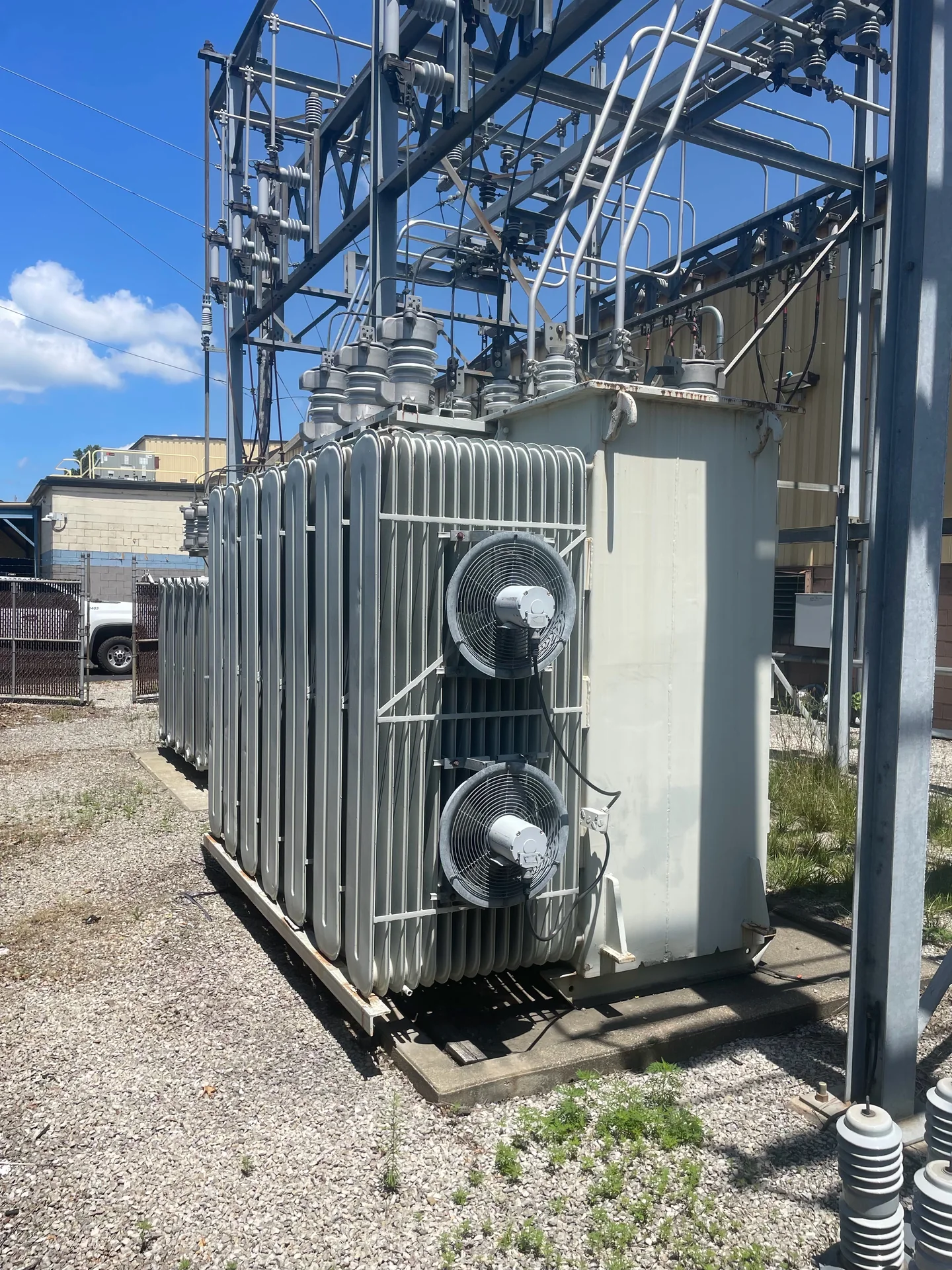
Accurate documentation is the foundation of any successful sale. Collect nameplate data (manufacturer, serial number), rated capacity (kVA or MVA), primary and secondary voltages, phase, frequency, and design type (core-and-coil, autotransformer, padmount, liquid-filled, dry-type). Record age, visible condition, and any recent maintenance, repairs, or test/service records such as turns-ratio tests, insulation tests, or oil analyses. Clear photos of the nameplate, cooling equipment, bushings, and overall unit are particularly helpful.
bullets
- Essential items: nameplate photo, serial/model, kVA/MVA, voltages, phase, frequency
- Condition notes: external corrosion, oil leaks, cooling fins, bushing condition
- Service history: last test dates, oil or insulation reports, repair receipts
- Quantity and grouping: single unit or multiple units at the same site
2. Survey site access and constraints
Documenting how the unit will get out of the site is as important as the unit data. Note the transformer’s exact location (pad, vault, rooftop, fenced yard), site elevation relative to public roads, gate widths, and any overhead obstructions like power lines or canopies. If the facility is in a dense-urban or industrial area, permit requirements, street closures, or traffic-control restrictions can change the plan. Record surface conditions (paved, gravel, concrete) and floor load capacities if the unit sits indoors or on a structure.
bullets
- Access items: gate/aperture width, turning radius to nearest truck staging area
- Obstructions: overhead lines, low bridges, stairs, narrow doors, tight alleys
- Ground conditions: slope, pavement strength, curb cuts and ramps
- Administrative: site hours, security procedures, required permits
3. Prepare for rigging and loading conversations
When you speak with a rigger, transporter, or buyer, be ready to share the unit weight and lift points if known, or provide nameplate/model so they can estimate. Note whether bushings or radiators are removable and whether fluids (transformer oil) are present. Buyers and contractors will want to know if a crane can set to grade near the unit or if forklifts, gantries, or hoists are required. Always coordinate with qualified rigging and electrical professionals for planning and lift planning under applicable codes and permits.
bullets
- Information to have: known weight, padeye locations, bushing and cable access
- Fluid handling: whether oil remains and if there are previous tests or containment
- Lifting constraints: nearest crane set location, load path clearance, staging area size
- Safety note: transformer disconnection and de-energization must be done by qualified personnel
4. Compare direct sale, auction, broker, and recycling options
Choosing how to sell depends on the unit’s specifications, condition, and market demand. A direct sale to a nationwide buyer can be efficient for common, serviceable units with complete records and convenient access. Auctions can surface competitive bids for specialty or rare transformers but add fees and timing uncertainty. If a unit is at end-of-life, badly damaged, contains PCBs, or has contaminated fluids, a certified recycler or qualified disposal route may be the appropriate alternative. A broker can help connect complex lots to niche buyers.
bullets
- Direct sale: faster coordination when specs and access match buyer needs
- Auction: broader marketplace for unusual types, but variable timelines
- Broker: useful when sellers prefer intermediary expertise and market reach
- Recycler/disposal: considered when unit fails environmental or safety criteria
5. Coordinate logistics with a nationwide buyer
Nationwide buyers typically work through a process that includes remote review of documentation and photos, conditional or firm offers, scheduling site inspections if needed, and arranging transport. Expect discussions about proof of ownership, required permits, timelines for removal, and environmental handling for fluids. Buyers may coordinate local contractors for rigging and transport but will rely on you to confirm access, working windows, and any site-specific safety requirements. Payment terms and required paperwork vary—confirm these up front.
bullets
- Typical steps: submit documentation, receive offer, schedule pickup, complete transfer paperwork
- Paperwork: bill of sale, equipment disposal forms, and any required permits
- Timeline variables: buyer demand, permit lead times, contractor availability
- Coordination tip: keep clear point of contact and document agreed dates in writing
6. Practical next steps and quick checklist
Before you contact potential buyers or contractors, assemble the documentation and site notes described above. Prioritize safety and regulatory compliance: ensure the unit will be de-energized and handled by qualified electricians and riggers under applicable codes. Remember that whether a buyer ultimately purchases a transformer depends on the specific unit, its condition, and the project’s constraints. If a direct sale is not viable, prepare to explore auction, broker, or certified recycling channels as appropriate.
bullets
- Collect: nameplate photos, test records, quantity, and ownership proof
- Record: exact location, access measurements, and any site restrictions
- Discuss: lifting options, fluid handling, and required permits with contractors
- Decide: whether to pursue direct buyer, auction, broker, or recycler route
Service-area context
Planning a sale in Ohio
This city guide is part of the broader Ohio service-area directory. Review statewide pickup and documentation considerations before arranging an equipment review.
Explore the Ohio transformer guideCommon questions
Practical answers before you call
One clear next step