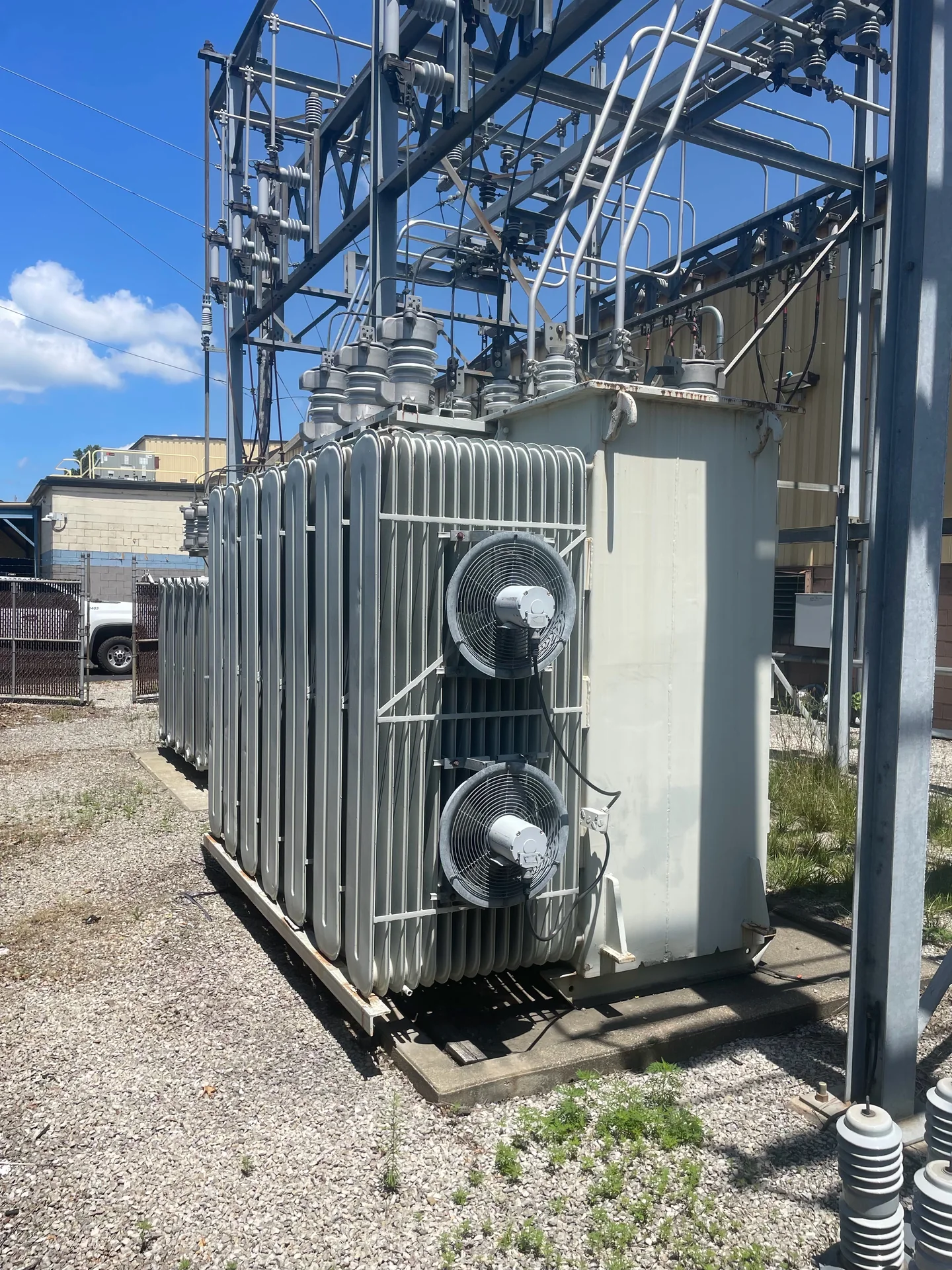
Sell Electrical Transformers in Boston — Planning Guide
This page is a practical planning guide for electricians, facility managers, utilities, manufacturers, demolition teams, and equipment resellers preparing to sell or remove electrical transformers in the Boston metropolitan area. It explains what to document, how to record site-access constraints, what details help rigging and hauling discussions, and how to compare sale paths. Availability and purchase fit depend on the actual unit and project; not every transformer will receive an offer, so the guide also outlines realistic alternatives.
Evaluation starts with facts
Share the manufacturer, rating, voltage, phase, condition, quantity, and location before discussing value or pickup.
Start by documenting the unit — nameplate, specs, and records
Buyers and haulers will base initial interest on verifiable unit data. Photograph the nameplate clearly and transcribe manufacturer, model, serial number, kVA or MVA rating, primary and secondary voltages, phase, frequency, design type (oil-filled, dry-type, pad-mounted, substation), cooling class, and year of manufacture. Also record external dimensions and, if known, shipping or installed weight. Collect any available test reports, repair invoices, or service logs; these often materially affect valuation.
If the nameplate is missing or illegible, include close photos of connection points, bushing arrangements, terminal boxes, and any identifying castings or labels. State the quantity of like units and your ownership or authorization to sell. Honest, complete documentation reduces follow-up queries and speeds remote appraisals.
- Essential: clear nameplate photos and transcribed spec list
- Helpful: test/service records, factory or repair certificates
- Administrative: proof of ownership or decommissioning authorization
Assess site and Boston-specific access constraints
Boston’s dense urban streets, narrow alleys, and older industrial zones create access constraints that affect removal cost and timeline. Photograph the transformer in context — adjacent buildings, gate and driveway widths, curb layout, overhead utilities, and nearby parking or loading zones. Note whether loading will be from a public street, private road, utility yard, or a waterfront/port-side location that introduces staging or tide considerations.
Record ground conditions, grade changes, and whether the unit sits on a pad, in a vault, basement, or fenced substation. These factors influence required permits, crane placement, street-closure needs, and whether specialized rigging or confined-space procedures will be necessary for safe removal.
- Photograph approach routes, gates, overhead clearances, and curb lines
- Measure gate widths, driveway grades, and loading area dimensions
- Note proximity to overhead power, rail, or waterfront that affects staging
Prepare for rigging and loading conversations
When you contact buyers or riggers, be ready to describe lifting features: lifting lugs or eyes, skirt or leg mounts, skid bases, removable bushings, and access panels. Supply top and side photos showing fasteners, lifting points, and any detachable components. Report whether the unit contains insulating fluid and whether oil tests exist; the presence of oil changes draining, containment, and transport requirements.
Avoid performing electrical disconnection, fluid draining, or rigging unless you are a qualified contractor. Recommend that any de-energization, fluid handling, testing, and heavy lifting be done by licensed electricians, certified riggers, and environmental professionals per applicable rules. A clear checklist and photos shorten site visits and improve the accuracy of removal quotes.
- Show lifting points, mounting details, and removable components
- Disclose insulating fluids and available oil test results
- Flag basement, vault, or confined-space locations early
Compare sale paths: direct buyer, auction, broker, or recycler
Choose a sale path based on condition, quantity, timeline, and demand. Direct sale to a nationwide buyer can be efficient when a buyer needs a specific kVA/voltage/phase configuration and accepts site conditions. Auctions broaden the buyer pool and sometimes yield competitive bids for sought-after units but add fees and scheduling constraints. Brokers can manage title, logistics, and lot packaging for a commission. Recycling or scrap is the practical route for heavily degraded or contaminated units.
Condition and documentation matter: units with up-to-date testing, recent servicing, and intact nameplates attract reuse markets more readily. Single, unusual units may favor auction or broker channels; multiple identical units often appeal to direct buyers. Be explicit that not every transformer will receive an acceptable offer and plan alternatives in advance.
- Direct buyer: efficient when specs and condition match demand
- Auction: wider reach but timing and fees vary
- Recycler/broker: suitable for degraded units or complex logistics
Coordinate a transaction with a nationwide buyer
A typical nationwide-buyer process begins with an inquiry using photos and nameplate data, followed by a remote review and a conditional quote. After that, an on-site inspection or a more detailed conditional offer may be scheduled. Clarify in advance who will arrange permits, traffic control, crane or rigging contractors, freight booking, and necessary insurance and manifests. Document ownership transfer requirements and any paperwork the buyer needs for payment.
Since many buyers work with third-party haulers or partners, provide a single on-site contact and authorize reasonable access ahead of arrival. Confirm responsibilities in writing—who secures permits, who pays for street closures or police details, and the expected timeline for removal and payment. Again, availability and purchase fit depend on the actual unit and project specifics.
- Provide a single contact and clear site access instructions
- Confirm permit, traffic control, and rigging responsibilities
- Get written terms on payment timing, removal scope, and liability
Final preparation and practical alternatives if a direct sale isn’t available
Before removal, collect all certificates, invoices, test reports, and a concise removal checklist. If a direct sale doesn’t materialize, consider listing on a specialized auction platform, engaging a broker who understands transformer markets, or contacting a licensed recycling firm for compliant material recovery or disposal. If environmental concerns are suspected—PCBs, leaks, or contamination—engage an environmental consultant for sampling and safe handling guidance.
Keep clear records of communications, permits, and contractor responsibilities. Confirm that de-energization, fluid handling, testing, rigging, and transport are performed by qualified parties under applicable regulations. Thoughtful preparation and transparent information protect project schedules and help you achieve the best practical outcome for each unit.
- Assemble paperwork, photos, and a removal checklist
- If unsold, evaluate auction, broker, or licensed recycler options
- Always use qualified professionals for electrical, environmental, and rigging work
Service-area context
Planning a sale in Massachusetts
This city guide is part of the broader Massachusetts service-area directory. Review statewide pickup and documentation considerations before arranging an equipment review.
Explore the Massachusetts transformer guideCommon questions
Practical answers before you call
One clear next step