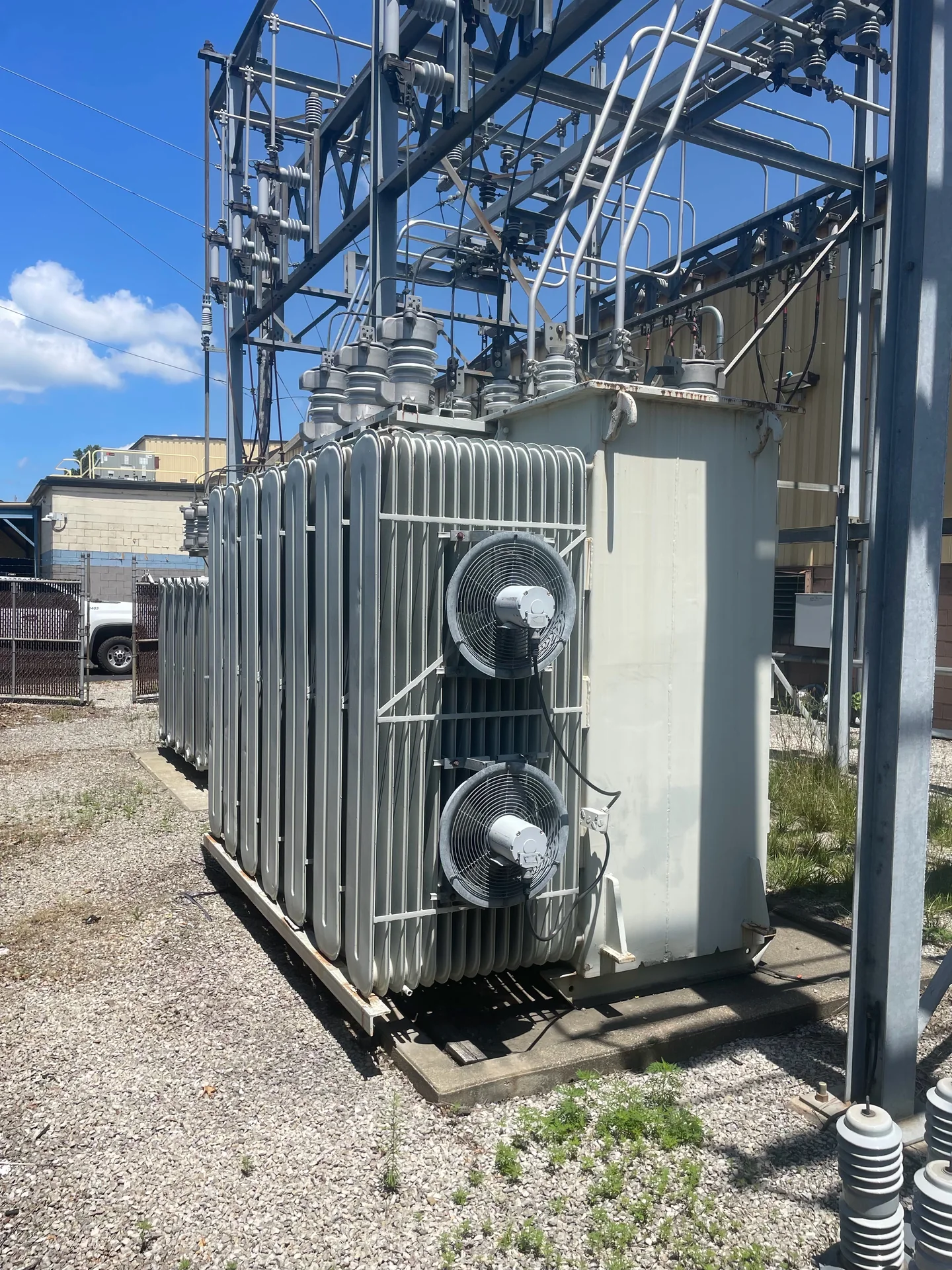
Sell Electrical Transformers in Chicago
This guide helps owners and site managers in the Chicago area prepare electrical transformers for sale or removal. It focuses on documentation, access planning, rigging conversations, and choices between direct sale, auction, or recycling. It also outlines how to work with a nationwide buyer when you don’t have a local broker. Availability and whether a buyer will purchase a unit depend on the actual transformer, site, timeline, and project constraints—use this as a planning checklist rather than an offer or a how-to for energization or rigging.
Evaluation starts with facts
Share the manufacturer, rating, voltage, phase, condition, quantity, and location before discussing value or pickup.
1. Document the transformer clearly
Start with accurate identification: photograph the nameplate, enclosure, cooling system, bushings and any serial numbers. Record manufacturer, year, kVA/MVA rating, primary and secondary voltages, phase, frequency, design type (pad, substation, pole-mounted, dry-type, oil-filled) and weight if known. Note visible condition issues such as corrosion, leaks, or missing components and gather any available test or service records, protection settings, and ownership or title documents. Quantity of identical units and whether they are currently energized are essential details for buyers evaluating demand and fit.
bullets
- Nameplate photos and serial numbers
- Rated kVA/MVA, voltage, phase, frequency
- Design type and cooling method (ONAN/ONAF, dry-type)
- Service records, test reports, and age
- Quantity and ownership/title documentation
2. Assess site location and access constraints
In Chicago, urban factors can affect removal planning: narrow alleys, weight limits on streets, overhead wires, limited staging areas, and building setbacks can complicate lifting and truck access. Note precise placement on the site—indoor vault, fenced substation, rooftop or pad—and document distances from curbside to the unit. Identify permit needs, local traffic or lane-closure restrictions, and any environmental controls around the unit like spill containment. Accurate site sketches, photos showing approach routes, and clear property access instructions speed preliminary feasibility assessments by a remote buyer or logistics partner.
bullets
- Indoor vs. outdoor location and clearance dimensions
- Nearby obstructions: overhead lines, gates, stairs
- Staging area size and proximity to curb or loading zone
- Site security, permits, and traffic control considerations
3. Prepare for rigging and loading conversations
When you speak with a buyer or rigging contractor, be ready to describe lifting points, pad or base details, and any attached equipment (conservators, radiators, LTCs). Share the nameplate weight or an expert estimate and whether the unit contains transformer oil or other fluids. Buyers and carriers will want to know if the unit requires isolation, de-energization, or special environmental handling; these activities must be done by qualified personnel under applicable regulations. Having a rigging plan or the contact for your rigging vendor makes scheduling estimate calls more productive and accurate.
bullets
- Lifting points and base/footprint details
- Known or estimated unit weight and center of gravity
- Attached ancillaries that affect lifting (radiators, LTCs)
- Fluid status (contained oil, drained, or unknown) and testing
4. Compare direct sale, auction, broker, and recycling paths
Decide which disposition path suits your timeline, condition, and documentation. Direct sale to a nationwide buyer can simplify transfer and logistics if the unit matches buyer criteria and demand; expect buyers to prioritize clear nameplate data and test records. Auctions may attract more bidders but add marketing time and fees. For units with poor condition or missing records, a scrap recycler or qualified disposal contractor may be more appropriate. A broker can expand market reach but will add a middleman fee. Be realistic: not every transformer receives a purchase offer, and alternatives exist for responsible disposal.
bullets
- Direct sale: faster negotiation if fit and documentation are clear
- Auction: broader market exposure, variable timelines and fees
- Broker: wider reach with additional cost
- Recycler/disposal: appropriate for unserviceable or undocumented units
5. Coordinate logistics with a nationwide buyer
A nationwide buyer will typically need the documentation and site-access information described earlier before issuing a purchase interest or preliminary quote. Expect discussions about who arranges and pays for rigging, environmental testing, and freight; clarify ownership transfer points and payment triggers. Provide realistic timeline windows for disconnection and loading and confirm any permit windows. Keep communication lines open for additional photos or clarification; many buyers cannot finalize offers without on-site details, and freight quotes will depend on pick-up constraints and required equipment.
bullets
- Share nameplate photos and site approach images early
- Clarify responsibility for de-energization and environmental testing
- Agree on transfer point, documentation, and payment milestones
- Expect freight and crane quotes to depend on site constraints
6. Practical checklist and realistic expectations
Before contacting buyers, assemble a packet: clear nameplate images, a concise spec sheet (kVA, voltages, phase, type), recent test reports, site photos showing approach routes and clearances, and any ownership or permit notes. Anticipate follow-up questions and consider having a qualified electrician or rigging vendor ready to consult. Finally, remember availability and purchase fit depend on the actual unit, condition, documentation, regional demand and timing. If a direct sale isn’t feasible, pursue auction, brokerage, or qualified recycling while maintaining regulatory compliance for disconnection and handling.
bullets
- Assemble a documentation packet before outreach
- Line up qualified contractors for disconnection and rigging
- Be transparent about condition, fluids, and records
- Consider alternatives if buyers decline: auction, broker, recycler
Service-area context
Planning a sale in Illinois
This city guide is part of the broader Illinois service-area directory. Review statewide pickup and documentation considerations before arranging an equipment review.
Explore the Illinois transformer guideCommon questions
Practical answers before you call
One clear next step