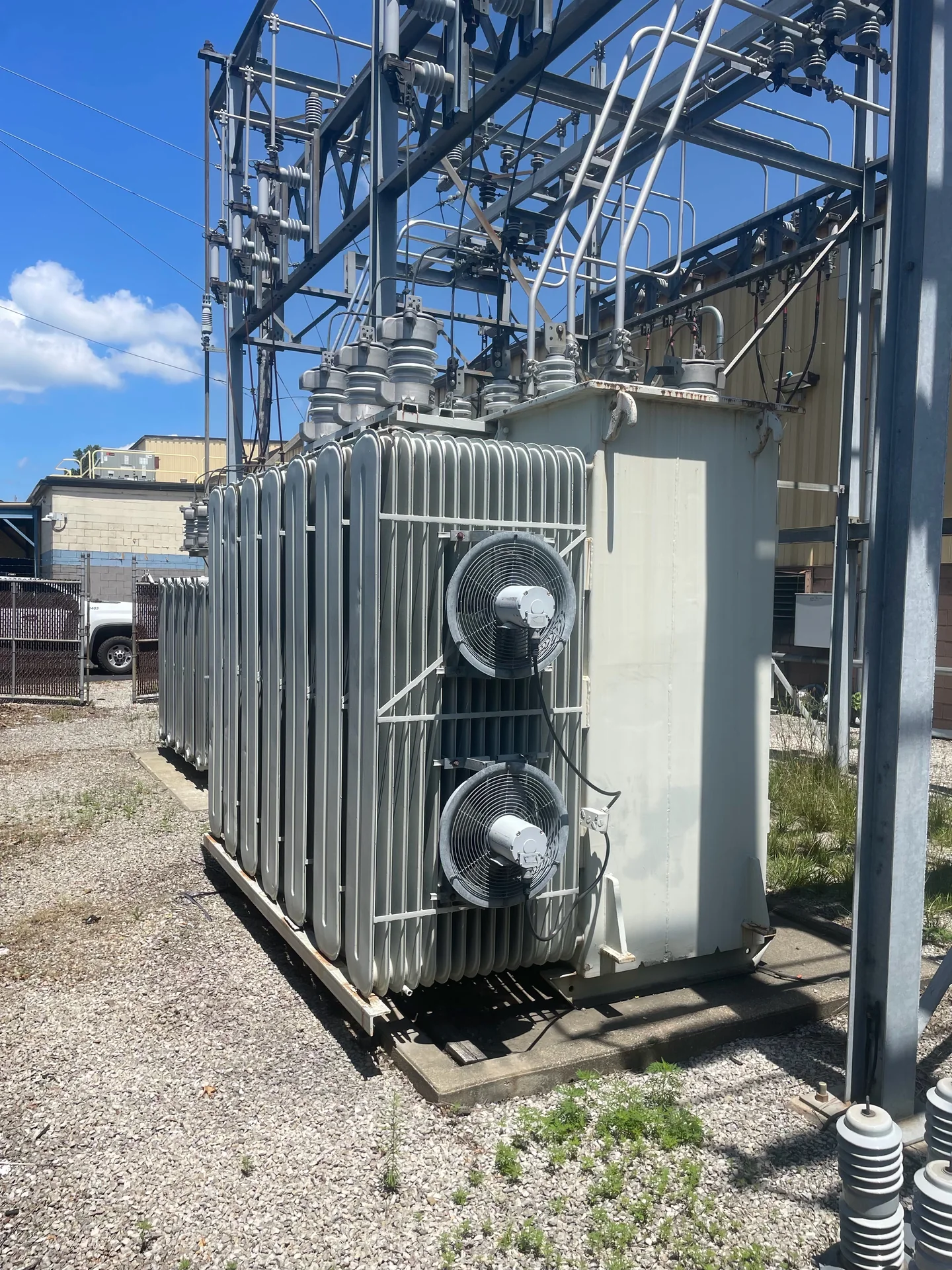
Sell Electrical Transformers in Baltimore
If you’re preparing to sell a new, used, or surplus electrical transformer in the Baltimore metro, this guide walks through the practical steps that help buyers evaluate a unit and plan removal. It focuses on documenting equipment, identifying site-access constraints, preparing for rigging and loading conversations, comparing direct sale versus auction or scrap options, and coordinating logistics when the buyer is out-of-state. Availability and purchase fit depend on the actual unit and project; sellers should expect that not every unit will receive an offer.
Evaluation starts with facts
Share the manufacturer, rating, voltage, phase, condition, quantity, and location before discussing value or pickup.
Document the transformer before you call buyers
A clear record speeds evaluation. Photograph and record the nameplate and visible markings, including manufacturer, model, serial number, kVA or MVA rating, primary and secondary voltages, phase, frequency, and design type (e.g., pad-mounted, substation, pole-mounted, dry-type). Note the year of manufacture if available and list recent test or service records such as turns ratio, insulation resistance, or oil test reports. Also record physical condition, leaks, missing components, and the quantity of identical units on site.
Provide ownership documents if available and any permits or liens that could affect transfer of title. Buyers use this information to estimate reuse potential, required testing, and transportation needs; more complete records usually produce faster, more accurate responses.
- Photograph all sides, nameplate close-up, and relevant damage or corrosion.
- Log kVA/MVA, voltage, phase, frequency, and design type from the nameplate.
- Collect service/test reports, ownership documents, and quantity on site.
Assess site access and constraints in Baltimore’s urban context
Baltimore’s mix of dense urban streets, industrial yards, and coastal facilities affects removal planning. Describe the unit’s exact location on the property, clearance to the nearest public road, overhead obstructions, gate sizes, surface type (paved, gravel, loading dock), and any tight turns or weight-restricted bridges. Note hours when truck movement is permitted and if street closures, permits, or police escorts are typical at your site. If the transformer is inside a fenced substation or building, identify the nearest practical staging area for loading.
Sellers should not undertake electrical disconnection, testing, or rigging themselves; those tasks must be done by qualified contractors and in compliance with local regulations. But documenting access constraints early avoids misunderstandings and allows buyers and rigging crews to estimate equipment needs and costs more accurately.
- Describe approach roads, gate widths, and turning radii to staging areas.
- Note overhead wires, low bridges, and surface strength for cranes or trailers.
- Identify restricted hours or permit requirements for truck access.
Prepare for rigging and loading conversations
When discussing removal with prospective buyers, be ready to cover rigging points, lifting lugs, pad or base dimensions, estimated weight, and whether the unit can be rolled onto a trailer or requires a crane. If weight is unknown, reference kVA/MVA and construction type so a buyer or rigger can estimate. Explain any special handling needs such as remaining fluid, bolted covers, or attached buswork. Provide photos showing lifting eyes, external bushings, and the surrounding work area.
Clarify who will schedule and pay for certified rigging and transportation services. Buyers will often request that credentialed rigging and electrical contractors perform de-energization, disconnection, and load-out. Make sure those parties are coordinated ahead of time to avoid delays and to comply with safety and permitting requirements.
- Show lifting points and overall dimensions in photos for rigging estimates.
- Confirm whether fluids (e.g., insulating oil) will be drained prior to removal; involve qualified contractors.
- Ask buyers whether they require a certified rigger or will accept third-party contractors.
Compare direct sale, auction, broker, and recycling options
Decide what outcome you need: speed, price, or regulatory compliance. Direct sales to equipment buyers or end-users can yield higher offers for reusable, well-documented units with clean test records. Auctions or brokers can reach a wider pool of buyers but add fees and may increase timeline uncertainty. Recycling or scrap should be considered when a transformer is damaged, contaminated, or lacks value for reuse; scrappers focus on scrap metal content and may require fluid handling per environmental rules.
Be realistic: buyers evaluate units on nameplate specs, condition, and how easily they can be removed and transported. If a unit lacks documentation or requires complex disconnection or environmental remediation, some buyers may decline. Present the documented information you gathered so potential purchasers can give informed estimates and explain their assumptions.
- Direct sale: best for well-documented, reusable units; may require coordination for removal.
- Auction/broker: wider exposure, additional fees, variable timelines.
- Recycler/scrap: appropriate when reuse isn’t feasible or environmental remediation is required.
Coordinate logistics with a nationwide buyer
When the buyer is out-of-state, coordinate timelines, freight, and title transfer early. Confirm who is responsible for arranging and paying freight, whether a buyer will schedule a hauler or reimburse your contractor, and what documentation the carrier requires. Discuss the expected timeline from agreement to pick-up and include contingency plans if on-site work or permits cause delays. Ensure clear instructions about where the unit will be staged and who will provide access on the day of removal.
Ask the buyer for references or examples of similar past removals and clarify payment terms tied to inspection, title transfer, and successful removal. Remember that the buyer’s expressed interest does not guarantee purchase; final offers depend on verification of the unit and site conditions.
- Agree in writing on responsibility for freight, rigging, and required permits.
- Set realistic pick-up windows and contingency plans for delays.
- Require clarity on payment conditions tied to inspection and removal.
Paperwork, timelines, and environmental considerations
Complete transfer paperwork, bill of sale, or certificate of title as required, and disclose known issues such as PCB content or leaks. Provide copies of service and test records and accurately state ownership. Buyers and carriers may also require site-safety forms and proof that permitted work will be conducted by qualified contractors. Establish a timeline with milestones—inspection, agreement, scheduling of qualified contractors, and pick-up—so both parties can align resources and permits.
If a unit contains regulated fluids or hazardous materials, involve environmental and disposal specialists early. Do not attempt fluid handling or decommissioning yourself unless you are qualified and compliant with applicable regulations. A clear paper trail and honest disclosure reduce risk and speed transaction completion.
- Prepare transfer documents and disclose known contaminants or leaks.
- Set milestone-based timelines for inspection, agreement, and removal.
- Engage qualified environmental or electrical professionals when necessary.
Service-area context
Planning a sale in Maryland
This city guide is part of the broader Maryland service-area directory. Review statewide pickup and documentation considerations before arranging an equipment review.
Explore the Maryland transformer guideCommon questions
Practical answers before you call
One clear next step