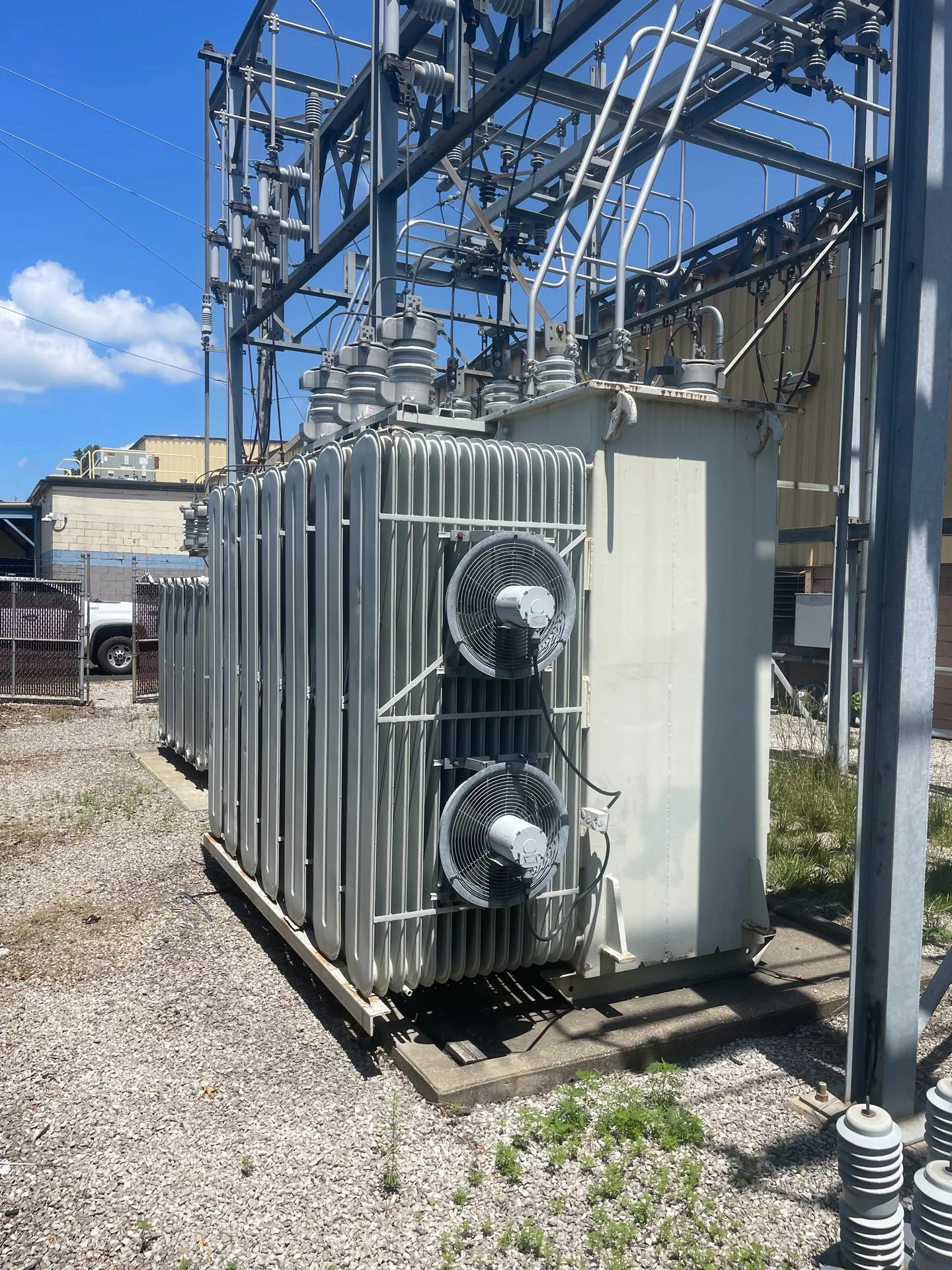
Sell Electrical Transformers in Maryland
This practical, statewide guide helps contractors, facility managers, demolition teams, utilities, and equipment resellers prepare to sell new, used, or surplus electrical transformers in Maryland. It explains the documentation and nameplate details buyers commonly review, how design, age, and condition affect interest, what site access and rigging information matters, and which transport and timing factors influence offers. We operate as a nationwide buyer; this checklist is intended to help you gather clear information before contacting a prospective purchaser.
Evaluation starts with facts
Share the manufacturer, rating, voltage, phase, condition, quantity, and location before discussing value or pickup.
1. Gather nameplate data and supporting ownership records
A readable nameplate is the single most useful item for initial evaluation. Buyers typically review manufacturer, model and serial numbers, kVA or MVA rating, primary and secondary voltages, phase, frequency, impedance, and temperature rise. If available, include invoices, asset tags, or title documents to establish ownership and transfer authorization. For multiple units, a simple inventory linking serial numbers to locations and condition speeds review and reduces follow-up questions during early screening.
Clear photographs of the nameplate and the full unit cut down the time needed for an initial response. If a nameplate is missing or illegible, supply any purchase records, measured dimensions, or weight estimates you can obtain. When ownership is shared or unclear, a written authorization or proof of purchase will be needed before a buyer proceeds to a firm offer.
- Essential nameplate fields: manufacturer, serial/model, kVA/MVA, voltages, phase, frequency
- Helpful ownership docs: invoice, asset register, title, or written authorization
- Photos to provide: full unit, nameplate close-up, bushings, enclosure labels
2. Describe design type, age, and observable condition
Describe whether the unit is dry-type, oil-filled, pad-mounted, indoor distribution, step-up/step-down, isolation, auto-transformer, or three-phase. Age and visible wear influence how buyers classify a unit: reusable, candidate for parts, or scrap. Note paint condition, corrosion, dents, bushing damage, signs of overheating, or evidence of oil seepage. Be candid about unknowns; absent or uncertain electrical condition often triggers requests for recent test reports or an on-site inspection by a third party.
If you have test or service records, list which tests were performed and their dates—insulation resistance, power factor, hipot, oil dielectric strength, or dissolved gas analysis are commonly requested. Buyers may rely on recent documentation to confirm operational condition; without it, an inspection or independent testing may be required before a firm offer is made.
- Design notes to include: dry vs. oil-filled, pad-mounted vs. indoor, single vs. three-phase
- Condition cues: corrosion, oil stains, damaged bushings, burnt areas
- Testing records: insulation, hipot, oil tests, DGA, and service dates
3. Inventory, exact location, and site context
Clear inventory and location details shape logistics and price. Indicate quantity—single unit, multiple identical units, or a mixed equipment lot that includes switchgear or panels. Provide the precise site address and describe where each unit is staged: interior electrical room, rooftop, fenced yard, curbside pad, or rail siding. Early clarity about location helps buyers estimate removal scope and whether permits, access approvals, or utility coordination will be needed.
If items are part of a facility turnover, demolition, or contractor closeout, include expected timelines and whether equipment will remain accessible until pickup. Note any security requirements, gate hours, or site restrictions that could affect when contractors can stage, inspect, or remove the transformer.
- Quantity types: single, multiple identical units, or mixed surplus package
- Location descriptors: indoor/outdoor, rooftop, fenced yard, curbside, rail access
- Site constraints: gate hours, security passes, staging and storage availability
4. Document rigging points, loading constraints, and permits
Physical removal details determine feasibility. Buyers will ask about crane or forklift access, overhead clearances, pavement capacity, turning radii, and staging areas for trailers. Pad-mounted units near sidewalks or in alleys present different challenges from indoor floor-mounted equipment. Include photos of access routes and loading areas; notes from prior rigging attempts or estimates from qualified rigging contractors can clarify potential lift methods and required equipment.
Do not attempt de-energization, lifting, or fluid handling without qualified electrical, rigging, and environmental professionals. Buyers commonly condition offers on confirmation that certified teams will perform disconnection and lifting under applicable safety rules. Flag any special permit, traffic control, or restricted-hours requirements that could add time or cost to removal.
- Access items: crane/forklift approach, overhead utilities, road width, staging area
- Rigging info: available lift points, skid/base condition, estimated weight
- Regulatory notes: permits, traffic control, and restricted work hours
5. Consider freight, long-distance moves, and current demand
Transport costs and complexity strongly influence offers. Large power transformers often require specialized low-bed trailers, axle permits, route surveys, and potential escorts for oversize loads. Long-distance freight increases handling risk and expense, so buyers compare shipment cost against the unit’s resale or reuse value within regional markets. Mention if disassembly is needed, height restrictions apply, or if the unit is oversized so buyers can assess local resale versus long-haul pickup.
Market interest varies by kVA/MVA range, voltage class, manufacturer, and design type; some sizes and brands attract more buyers. Be prepared that not every unit will receive a direct purchase offer. If a direct sale isn’t viable, alternatives include listing with an equipment broker, offering to an industry auction, selling for parts to a recycler, or arranging qualified disposal where environmental concerns make resale inappropriate.
- Freight factors: trailer type, permits, route surveys, escort needs
- Demand drivers: kVA/MVA, voltage class, manufacturer, and transformer type
- Disposition options: broker, auction, recycler for parts, or licensed disposal
6. Plan timing, inspections, and transfer steps
Contact prospective buyers early, ideally before transformers are boxed in storage or placed in inaccessible locations. An initial review commonly requires photos, readable nameplate data, location and access notes, and proof of ownership or authorization. If a site inspection is needed, coordinate certified electricians, riggers, and any third-party testing providers in advance so scheduling does not delay the outcome. Permit lead times and contractor availability can extend the timeline.
Understand that offers reflect equipment specs, condition, logistics, and current demand and are not guaranteed until documented inspection and title transfer. If you proceed, be prepared with a staging plan, a contact person for scheduling, written authorization to transfer ownership, and arrangements for qualified removal. Honest, organized information reduces inspection time and helps both parties reach a practical result.
- Prepare: photos, nameplate, ownership docs, staging plan, contact person
- Expect: document review, possible on-site inspection, coordination with qualified contractors
- Close steps: inspection, written agreement, scheduled pickup, and transfer of title
Common questions
Practical answers before you call
Metropolitan service guides
Explore Maryland city guides
Review the city guide closest to the equipment location for local planning details, site-access considerations, and a direct path back to this Maryland service guide.
One clear next step