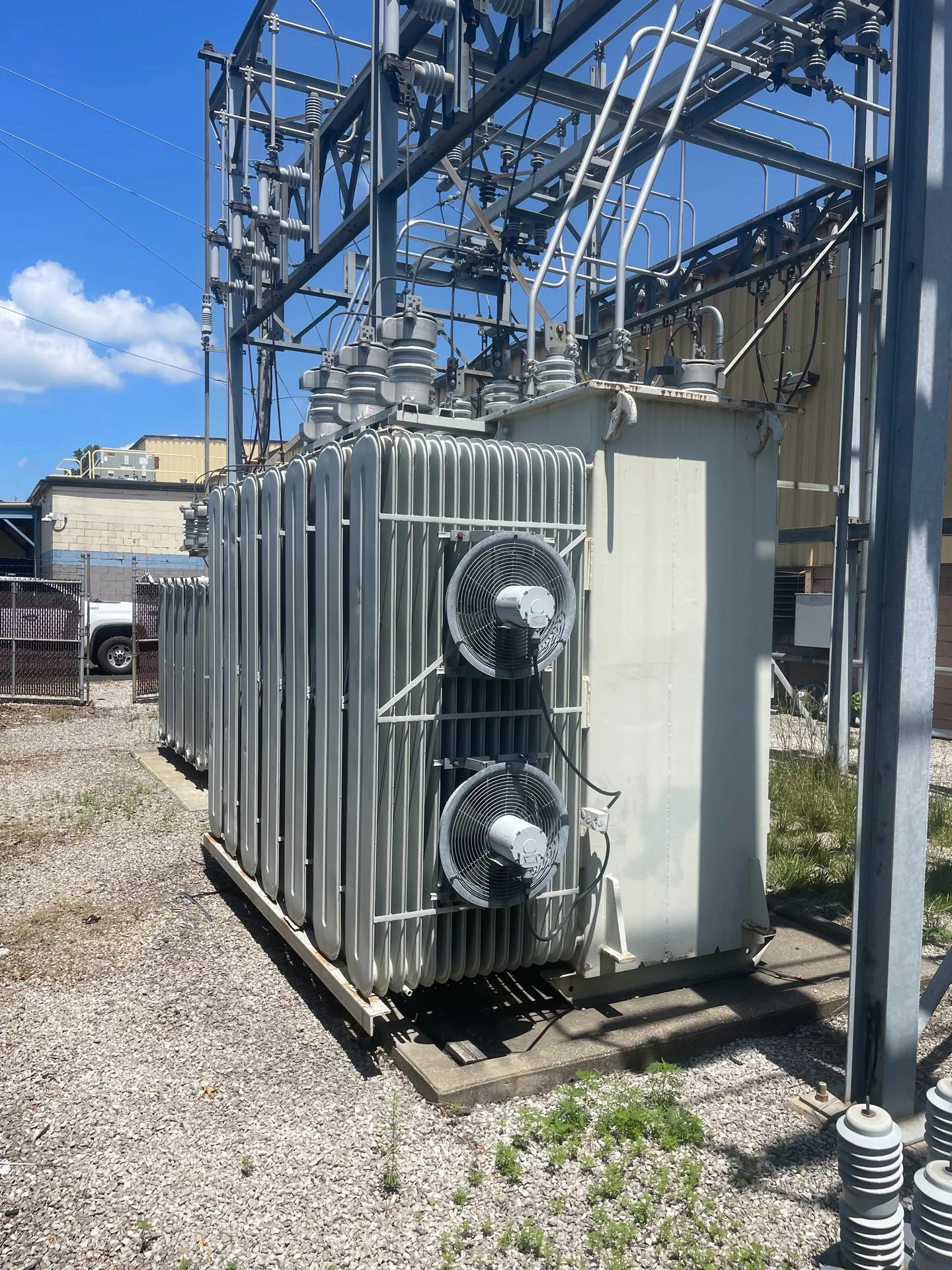
Sell Electrical Transformers in Massachusetts
This statewide planning guide explains what prospective sellers should prepare when offering new, used, or surplus electrical transformers in Massachusetts. It focuses on practical steps: what documentation speeds a review, how buyers qualify equipment, site access and rigging considerations, long‑distance freight and timing, and ownership records that affect transfers. We operate as a nationwide buyer and do not imply a local branch. For disconnection, testing, fluid handling, rigging, and transport, hire qualified contractors and follow applicable regulations and codes.
Evaluation starts with facts
Share the manufacturer, rating, voltage, phase, condition, quantity, and location before discussing value or pickup.
Start with clear documentation and nameplate data
A clear nameplate photo and any available paperwork are the fastest way for a buyer to assess interest. Nameplate data commonly used in evaluations includes manufacturer, serial and model numbers, kVA or MVA rating, primary and secondary voltages, phase, frequency, impedance, and temperature rise. When the nameplate is missing or unreadable, multiple close photos of the unit, stamped tags, and purchase invoices help identify the asset.
Also gather test and service records when available. Factory test reports, recent turns‑ratio or dielectric tests, and oil analysis for liquid‑filled units materially affect how a buyer values reuse versus parts recovery. Even partial documentation—quantity, condition notes, and a readable nameplate—lets a buyer estimate whether an onsite inspection or an offer is appropriate.
- Key nameplate items: manufacturer, serial/model, kVA/MVA, primary & secondary voltage, phase, frequency
- Helpful records: factory tests, maintenance logs, oil analysis, purchase or installation invoices
- Photos to provide: full‑unit views, nameplate, bushings, cooling surfaces, tags or stamps
How type, design, age, and condition influence evaluation
Buyers assess transformer design and intended use: dry‑type, oil‑filled, pad‑mounted, distribution, power, isolation, or auto‑transformers each follow different markets. Enclosure type, cooling class, and accessory equipment (conservators, radiators, tap changers) are relevant. Age matters, but documented recent service and clean condition can keep older units viable for reuse; conversely, visible corrosion, damaged bushings, or evidence of internal winding damage reduces reuse prospects.
Testing and service history are important. Recent dielectric, turns‑ratio, and oil dielectric tests increase confidence in reuse. When records are absent, buyers may treat the unit as suitable for parts salvage or recycling. Quantity and matched sets also affect marketability: multiple identical transformers often attract broader buyer interest than single, nonstandard units.
- Design factors: dry vs. oil‑filled, pad‑mounted vs. indoor, distribution vs. power
- Condition traits that reduce offers: leaks, bushing damage, heavy corrosion, missing accessories
- Documentation effect: recent test/service records support reuse; lack of records favors parts/recycling
Ownership, title, and transfer readiness
Buyers will ask who holds title and whether any liens, leases, or third‑party restrictions apply. Be ready to describe how and when the asset was acquired, whether it was owned outright, purchased for a specific project, or recovered during demolition. If the transformer sits on leased property, inside a tenant area, or was part of a site decommissioning, provide removal permits, demolition receipts, or other documents that clarify transfer rights.
Confirming the seller’s authority to sell and remove equipment prevents delays. Unclear ownership or unresolved title issues can lead buyers to decline offers, recommend a broker, or suggest an auction where legal responsibilities and marketing are handled differently. Transparent disclosure of liens, encumbrances, or legal constraints speeds realistic assessments.
- Confirm ownership, lien status, and any sale or transfer restrictions
- Provide removal, demolition, or permit records when applicable
- Note leased premises or tenant‑space constraints that affect authority to remove
Site access, rigging, and loading realities
Describe site access and lifting constraints early. Buyers evaluate building level (ground, elevated floor, or rooftop), door and gate clearances, overhead obstructions, nearby utilities, and staging areas for cranes or trailers. Pad‑mounted or substation transformers often require cranes, certified rigging crews, and dedicated lifting points. Narrow streets, bridge limits, or municipal parking restrictions affect carrier choice and cost.
Do not attempt electrical disconnection, fluid removal, or rigging without qualified contractors. Buyers will ask who will perform de‑energization, testing, and lifting and may require proof of contractor qualifications. Providing photos that show surrounding access, curb cuts, and space for crane placement or truck staging helps buyers estimate whether additional contractors or permits will be necessary.
- Access details to note: floor level, door widths, overhead clearance, staging areas
- Rigging needs: crane reach, certified rigging crew, lifting points and slings
- Site constraints that affect cost: narrow streets, weight limits, seasonal access restrictions
Freight planning, environmental handling, and scheduling
Long‑distance transport depends on weight, dimensions, and any environmental handling required. Buyers will want gross weight and dimensional data for freight estimates and to determine if the unit must be drained, decontaminated, or crated. Oil‑filled units may require sampling and authorized handling; specialized carriers and route permits can be needed for oversized power transformers. Early disclosure of oil condition and whether draining is permitted on site helps avoid surprises.
Timing matters. Coordinate removal windows, contractor availability, and site deadlines such as demolition or tenant move‑ins. Short pickup windows or hard removal dates can reduce buyer interest or increase logistics costs. Share preferred pickup windows and any immovable deadlines so buyers can evaluate feasibility and reserve appropriate carriers and contractors.
- Provide weight and dimensions for freight and permit planning
- State whether oil must be drained and who will handle environmental tasks
- Share pickup windows, project deadlines, and any route or permit constraints
Offers, alternatives, and realistic next steps
Not every transformer will receive a direct purchase offer. Buyers balance specifications, condition, documentation, site constraints, freight costs, and current demand. If a direct sale isn’t feasible, alternatives include equipment brokers, auctions, parts resale, or qualified recycling and disposal. Each path has tradeoffs: auctions broaden exposure but take longer; recycling addresses environmental liabilities but usually offers lower recovery value.
Be candid about missing records, access limits, or environmental concerns. That speeds realistic feedback and avoids wasted inspections. If an onsite inspection is requested, plan to have qualified contractors present for any electrical and rigging work. Early, detailed information gives buyers the best chance to determine interest and present practical options.
- Possible outcomes: direct purchase, brokered sale, auction, parts recovery, recycling/disposal
- Factors that reduce offers: missing nameplate, inaccessible location, unknown oil condition
- Provide honest timelines and access windows to obtain practical assessments
Common questions
Practical answers before you call
Metropolitan service guides
Explore Massachusetts city guides
Review the city guide closest to the equipment location for local planning details, site-access considerations, and a direct path back to this Massachusetts service guide.
One clear next step