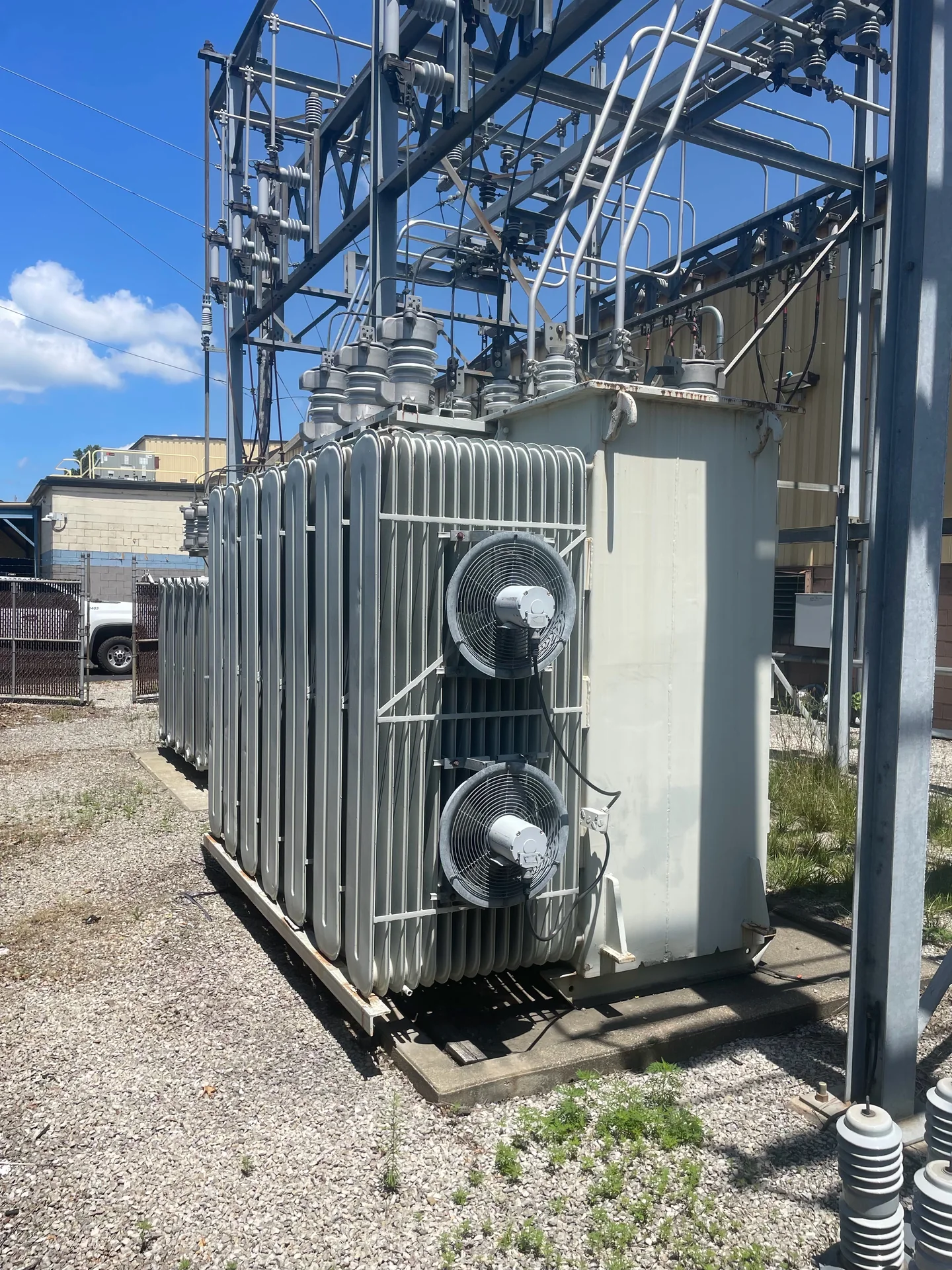
Sell Electrical Transformers in North Carolina — Planning Guide
This guide helps owners and managers in North Carolina prepare new, used, or surplus electrical transformers for sale. It walks through documentation and ownership, how to identify and qualify equipment, site and loading considerations, long-distance freight issues, realistic timelines, and alternative disposal or remarketing routes when a direct sale is not feasible. The company that published this guide purchases qualifying transformers nationwide; however, energization, disconnection, testing, rigging, fluid handling, and transport must be performed by qualified professionals under applicable codes and regulations.
Evaluation starts with facts
Share the manufacturer, rating, voltage, phase, condition, quantity, and location before discussing value or pickup.
1. Gather seller documentation and prove ownership
Start by assembling records that establish ownership and the unit’s history. Buyers typically need clear ownership documentation before an offer is issued. Good paperwork reduces delays and shows an asset was maintained and transferred legitimately, so include all documents you can find and be ready to explain any gaps.
Typical documents that help establish eligibility and value include original purchase orders, invoices, lease or rental agreements, maintenance contracts, warranty receipts, and proof of release of liens. If utility-owned equipment or government surplus is involved, include any transfer authorizations or approvals required by the owner organization.
- Bill of sale, purchase invoice, or transfer paperwork
- Serial number records and asset tag photos
- Maintenance and test reports (factory and field)
- Lien releases or proof of ownership
- Any end-of-life, decommissioning, or disposition approvals
2. Confirm identity using nameplate and manufacturer data
Buyers evaluate transformers primarily on nameplate information and manufacturer specifications. Confirm the manufacturer, model, serial number, rated kVA or MVA, primary and secondary voltages, phase, frequency, vector group or delta/wye configuration, design type (core- or shell-type), and cooling class (ONAN, ONAF, etc.). Accurate nameplate photos are often the first thing a buyer requests.
Include documented factory test reports when available and list recent service items such as bushing replacements or tap changer work. If nameplates are missing or illegible, provide as much measurable data as possible and note any identification attempts; inability to verify identity will affect offers and may require onsite inspection.
- Manufacturer and serial number
- Rated kVA/MVA and voltage levels
- Phase and frequency (60 Hz typical in the U.S.)
- Cooling method and design class
- Factory test and recent maintenance records
3. Assess condition, testing, and service history
Condition strongly influences marketability and value. Provide honest descriptions of operational status: in service, isolated but intact, or decommissioned. Note visible issues such as external corrosion, dented radiators, damaged bushings, leaks, or missing components. Include dates and results of dielectric tests, power factor or DGA reports for oil-filled units, and any major repairs.
If you lack test records, indicate whether the unit has been energized since the last service and whether fluid samples exist. Buyers may request site inspections or require the seller to arrange qualified testing. When condition limits resale options, alternative routes like auction, brokered sale, or qualified recycling may be appropriate.
- Operational status (in service vs decommissioned)
- Dielectric and DGA test results, if available
- Visible mechanical or fluid condition issues
- Recent repairs or component replacements
- Number of similar units and aggregated condition
4. Plan site access, rigging, and loading
Site logistics often determine whether a removal is practical. Document where the transformer sits—indoor vault, pad-mounted, pole-mounted, or substation—and note surrounding clearances, overhead lines, access roads, gates, and turning radii for heavy equipment. Provide photos from several angles that show the route from public road to the unit.
Large transformers require certified rigging and lifting crews, and may need ground pads or temporary road plates. Confirm whether lifting lugs or pad-eyes are present and describe the skid or base. Buyers or contracted carriers will coordinate lifting equipment, but sellers should disclose access limitations, hours when work can occur, and any site-specific safety or permitting requirements.
- Exact location with photos showing access routes
- Clearances, overhead conflicts, and gate widths
- Available on-site rigging points and unit weight
- Preferred load-out area and staging space
- Any site safety rules, permit requirements, or timing restrictions
5. Consider long-distance freight and transport constraints
When a sale involves long-distance transport, specialized logistics affect scheduling and cost. Over-dimensional weights, height, and length can require escorts, state permits, and route surveys, and these variables influence whether a buyer will make an offer. Provide exact weights, dimensions, and whether the unit will be shipped intact or disassembled for transport.
For oil-filled transformers, discuss whether the unit will ship with fluid inside or after oil removal; many carriers and jurisdictions have specific handling and containment requirements for insulating fluids. Coordinate insurance, tarping or covering needs, and whether you can assist with staging or crane time. Freight considerations often factor into final offers and timing.
- Confirmed unit weight and external dimensions
- Whether the transformer contains insulating fluid
- Preferred shipping method: intact, skidded, or partially disassembled
- Potential need for permits, escorts, or route surveys
- Who will arrange and pay for transport and insurance
6. Set realistic project timing and expectations
Create a realistic timeline that includes document review, inspection, approval, scheduling of rigging, and freight booking. Lead times vary with season, site access complexity, and whether full documentation and test reports are available. Expect additional time if permits, utility clearances, or environmental controls are required before removal.
Understand that not every transformer will receive a purchase offer. Offers depend on condition, documentation, and market demand at the time of inquiry. If an offer is made, the acceptance process may include a site walk, proof of ownership, and a mutually agreed load-out window. Be prepared to consider alternatives if a direct sale is not practical.
- Allow time for document verification and possible site inspection
- Factor in permit lead times and seasonal shipping delays
- Be ready for scheduling windows driven by contractors or carriers
- Have contingency plans if an offer is not made or accepted
7. If a direct sale isn’t feasible: alternatives and next steps
When a direct sale to a nationwide buyer is not possible, consider other routes: specialized auctions, equipment brokers who market to niche buyers, refurbishment services, or qualified recyclers and disposal companies for end-of-life units. Selection depends on the unit’s condition, remaining life, and any environmental constraints associated with insulating fluids or hazardous components.
When evaluating alternatives, prioritize firms that document transfers, follow federal and state environmental rules, and provide clear cost estimates for removal and disposal. In many cases, combining routes—selling some units, refurbishing others, and responsibly recycling non-salvageable equipment—produces the most practical outcome.
- Auction platforms for used industrial equipment
- Brokers that specialize in electrical infrastructure
- Qualified recyclers and disposal firms for end-of-life units
- Refurbishment or component resale for repairable transformers
- Documented chain-of-custody and environmental compliance
Common questions
Practical answers before you call
Metropolitan service guides
Explore North Carolina city guides
Review the city guide closest to the equipment location for local planning details, site-access considerations, and a direct path back to this North Carolina service guide.
One clear next step