Sell Electrical Transformers in Illinois — Planning Guide
This page helps owners and managers plan a sale of new, used, or surplus electrical transformers located in Illinois. It focuses on the practical documentation, equipment qualification details, site and loading logistics, long-distance freight considerations, and realistic timing factors buyers will evaluate. The guidance is intended for electrical contractors, facility managers, utilities, manufacturers, demolition teams, and equipment resellers preparing transformers for market or for an inquiry with a nationwide buyer.
Evaluation starts with facts
Share the manufacturer, rating, voltage, phase, condition, quantity, and location before discussing value or pickup.
Key seller documentation and nameplate data
Before contacting potential buyers, assemble basic documentation and nameplate information. Buyers rely on clear identification: manufacturer, serial number, kVA or MVA rating, primary and secondary voltages, phase, frequency, vector group or design type, and cooling class. Photographs of all nameplates and any stamped tags reduce ambiguity. Also gather ownership records, purchase invoices, and maintenance or lease agreements that show the seller’s right to sell the equipment.
bullets
- Clear photos of all nameplates and serial tags
- Manufacturer and type designation (e.g., distribution, power, auto, isolation)
- Rated kVA/MVA, primary/secondary voltage, phase, frequency
- Service or routine test reports (DGA, turns ratio, megger) if available
- Ownership paperwork: invoices, asset tags, bill of sale, or transfer authorizations
How equipment is evaluated: technical and condition factors
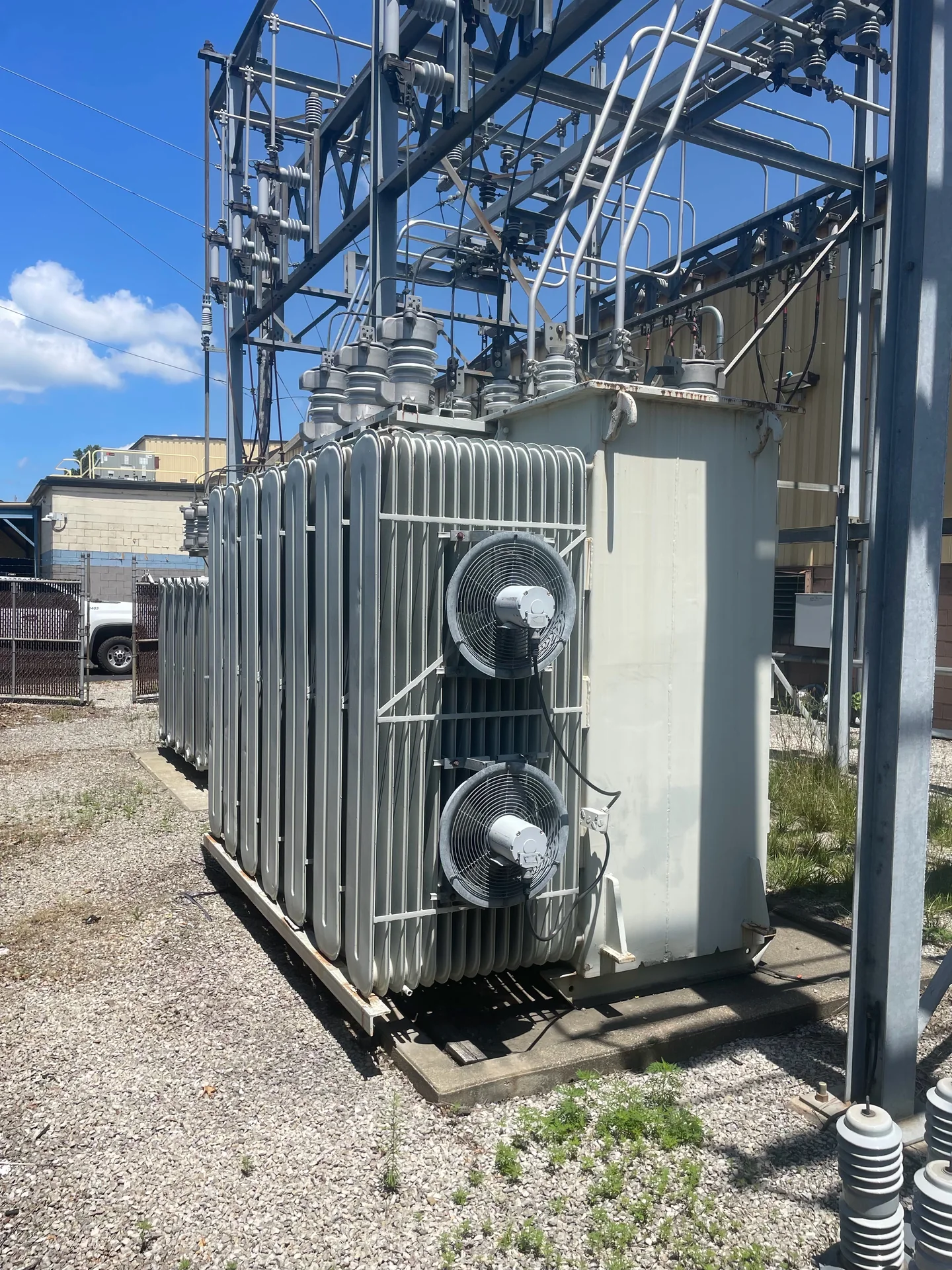
Buyers will evaluate both technical suitability and physical condition. Key technical data include winding configuration, vector group, insulation class, and nameplate-rated load. Condition information covers age, known faults, oil condition (including PCB uncertainty), past faults or overloads, visible corrosion, radiator and bushing integrity, and any records of repairs or rewind work. Complete, accurate test and service records significantly improve transparency and can materially affect an offer.
bullets
- Technical: kVA/MVA, voltages, phase, frequency, vector/group
- Condition: oil leaks, rust, bushing damage, core/frame deformation
- Service records: DGA, turns-ratio, insulation resistance, recent maintenance
- Unknowns to disclose: history of faults, rewinds, or potential PCB fluid
Site access, rigging, and loading considerations
Site access and lifting logistics are often the largest practical constraints. Buyers or their carriers will need clear information about approach roads, overhead clearances, ground bearing capacity, on-site storage space, and lift points. If transformers are indoors, note floor loading limits, door and ramp widths, and stair or elevator restrictions. All disconnection, de-energization, and lifting should be done by qualified professionals using equipment rated for the load and in compliance with local requirements.
bullets
- Measure doorways, ramps, and gate clearances and provide photos
- Confirm road access for heavy haulers and turning radii for cranes
- Identify on-site crane pads or whether mobile crane/forklift access is required
- Flag hazardous conditions, confined spaces, or environmental constraints
Long-distance freight and carrier logistics
Heavy transformers often require specialized transport: heavy-haul trailers, permits for oversize loads, route surveys, and sometimes police escorts. Provide accurate weights and exterior dimensions early so carriers can quote and check routing. Buyers may offer to arrange freight or expect the seller to handle pickup coordination; confirm responsibilities and load windows in writing. Insurance coverage during transit, storage requirements, and temperature-sensitive handling (for some oils and components) should be clarified before scheduling pickup.
bullets
- Provide gross weight and overall dimensions (length, width, height)
- Note if radiators, conservators or accessories must be removed for transport
- Ask carriers about permitting, route restrictions, and bridge capacities
- Clarify who arranges and pays for freight, insurance, and storage
Timing, quantity, and market context
Project timing and the number of units available affect market interest and responsiveness. Multiple similar units may attract buyers who can consolidate freight and offer better terms. Seasonal weather, scheduled site work, and available rigging crews can also impact scheduling — winter conditions in the Midwest may constrain crane operations. Keep expectations realistic: not every transformer will receive a purchase offer; buyers assess technical fit, condition, logistics, and current demand before committing.
bullets
- Larger quantities often improve logistical efficiency and buyer interest
- Allow lead time for permits, carrier bookings, and site preparation
- Be prepared to adjust timing for weather or contractor availability
- If a direct sale isn’t viable, consider auction, broker, recycler, or qualified disposal options
Preparing the asset for inspection and sale
Prepare a concise package for buyers: high-resolution photos (nameplates, bushings, radiators, tank bottoms), dimensional sketches, and a summary of test reports. Label each unit and provide an inventory list with serial numbers and condition notes. Arrange a clear access path for site visits and allow for a short on-site inspection by qualified technical evaluators. Remember that de-energization and disconnection must be handled by authorized personnel and that buyers will rely on sellers to ensure safe, legal access for their teams.
bullets
- Create an inventory spreadsheet with serials, kVA/MVA and locations
- Include photos of all sides, nameplates, and any damage or repairs
- Schedule site visits at times when crane and rigging information can be confirmed
- Have authorization documents ready to expedite sale and transfer
Common condition issues and how they affect options
Typical issues that influence marketability include active oil leaks, missing or damaged bushings, severe corrosion, winding or core damage from fire or fault events, and the presence or unknown status of PCBs. Some conditions may still attract buyers for parts, cores, or reconditioning; others may require recycling or qualified disposal. Disclose defects honestly — transparent condition reporting speeds evaluation and helps buyers propose realistic next steps, whether purchase, refurbishment, or environmental remediation.
bullets
- Minor cosmetic corrosion may be acceptable to some buyers; structural or electrical damage reduces options
- Missing components (bushings, conservator caps) often lower offers or require seller removal
- Unknown fluid history (PCB concerns) typically requires laboratory testing before sale
- Severely damaged units may be directed to recyclers or qualified disposal channels
Common questions
Practical answers before you call
Metropolitan service guides
Explore Illinois city guides
Review the city guide closest to the equipment location for local planning details, site-access considerations, and a direct path back to this Illinois service guide.
One clear next step