Sell Electrical Transformers in Ohio — Planning Guide
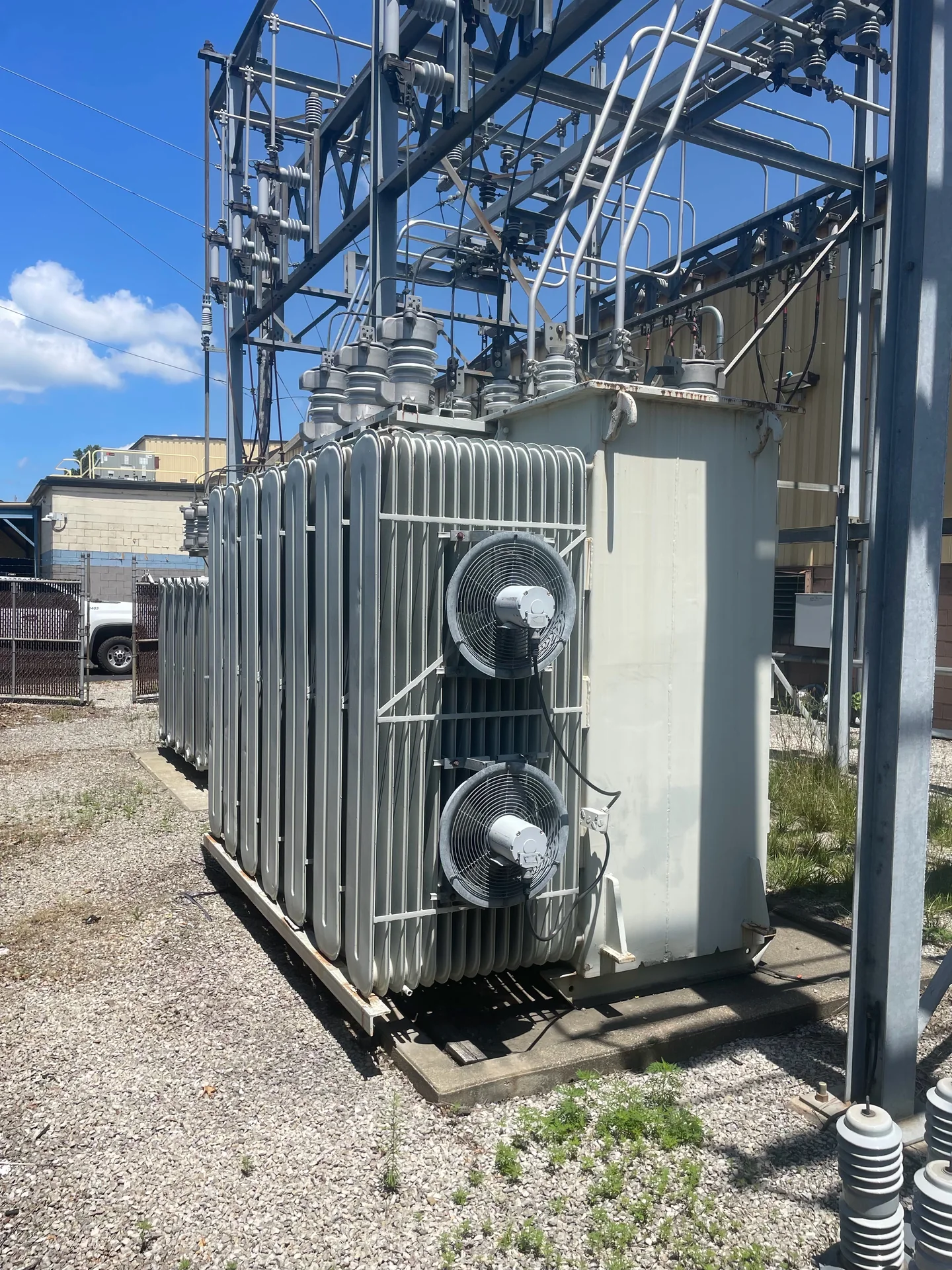
This statewide planning guide is for facility managers, contractors, utilities, demolition teams, and equipment resellers preparing to sell new, used, or surplus electrical transformers in Ohio. It outlines the documentation and nameplate details buyers routinely request, how to qualify equipment for resale, what site and access information matters for removal, and realistic options when a direct sale isn’t practical. We work as a nationwide buyer; this guidance is intended to help you present assets clearly and plan removal safely with qualified professionals.
Evaluation starts with facts
Share the manufacturer, rating, voltage, phase, condition, quantity, and location before discussing value or pickup.
Start with nameplate data and clear ownership records
Buyers make initial decisions from nameplate information and proof of ownership. Key nameplate fields include manufacturer, serial number, kVA or MVA rating, primary and secondary voltages, phase (single or three-phase), frequency (50/60 Hz), vector group or design type, insulation or fluid type, and manufacture year when present. Photographs of the nameplate and a typed transcription speed evaluation. Also gather invoices, asset tags, and documentation that shows you have authority to authorize removal or sale.
Provide clear ownership records, bills of sale, lien disclosures, and any lease or third-party constraints. If the transformer is part of a site that requires written authorization for removal, state that early. Transparent ownership and decommissioning authority reduce transaction delays and help buyers factor legal transferability into offers.
- Photograph and transcribe all readable nameplate fields.
- Collect purchase invoices, asset tags, and title documents.
- Disclose liens, leases, or removal-authority requirements up front.
Equipment qualification: design, age, and condition
Beyond basic nameplate data, buyers evaluate design type, manufacture year, and visible condition. Note whether units are oil-filled or dry-type, core-and-coil designs, autotransformers, or specialty configurations. Describe the quantity and whether units are identical; multiple identical units can attract different interest than single or obsolete pieces. Honest descriptions of corrosion, external damage, oil stains, or burn marks help set realistic expectations.
Service and test records strongly influence offers. Useful documentation includes turns-ratio tests, insulation resistance, dissolved gas analysis (DGA) for oil-filled units, and recent maintenance invoices. If testing hasn’t been performed, state that explicitly; buyers will often price offers to include the cost of inspection or require an on-site survey before firming an offer.
- State fluid type (mineral oil, ester, dry) and any known contaminants.
- Summarize recent electrical tests and maintenance dates when available.
- List quantity, identical serials, and any visible mechanical damage.
Site access, location specifics, and scheduling constraints
Logistics and scheduling often determine whether a sale is practical. Provide the specific location type—indoor substation, pad-mounted, vault, rooftop, or yard—and describe ground conditions, clearance dimensions, and overhead obstructions. Note nearest suitable truck access point, gates, and hours when vehicles are allowed. Buyers must know whether site escorts, permits, or utility switching windows are required.
Timelines matter: planned outages, demolition schedules, or tenant restrictions may set hard removal dates. Communicate any required outage windows, lead times for utility coordination, and whether removal must occur during business hours or weekends. Clear scheduling information helps buyers estimate mobilization, crew size, and risk, and prevents costly site delays.
- Describe exact unit location and access routes for heavy equipment.
- Note gate hours, security escort requirements, and site restrictions.
- List any outage windows, permit needs, or hard removal deadlines.
Disconnection, rigging, fluids and qualified contractors
Transformer de-energization, electrical disconnection, handling of insulating fluids, rigging, and loading should be performed by qualified professionals under applicable codes. Identify whether your organization will provide switching, grounding, and certified electricians, or whether the buyer must arrange those services. Provide any previous lifting points, pad ratings, anchor details, or known rigging constraints to help riggers plan safely.
If draining or containment is needed for oil or other fluids, disclose that so proper handling, spill containment, and certified waste transport can be scheduled. Buyers and their contractors will plan for required equipment, permits, and manifests when hazardous or regulated materials are present. Do not attempt electrical or heavy-lift work without licensed crews and required permits.
- State who will perform switching and de-energization (seller or buyer).
- Provide transformer weight, dimensions, and lifting-point information.
- Disclose if fluid draining, containment, or hazardous handling is required.
Transport, long-distance freight, and staging options
Freight planning is a major cost factor, especially for long-haul or oversized units. Buyers will consider approximate weight and dimensions, need for disassembly, specialized trailers, heavy-haul permits, and potential escorts for oversized loads. On-site limitations—such as low bridges, narrow roads, or tight turns—can affect route selection and cost. Being upfront about these constraints leads to more accurate offers and fewer surprises during mobilization.
Explain whether the transformer can be moved to a staging or laydown area for pickup, or whether immediate on-pad loading is required. Indicate nearest highway access and any internal road weight restrictions. Clarify whether seller or buyer is expected to arrange permits and escorts; this is commonly negotiated as part of the sale.
- Provide nearest highway access and any route limitations.
- Confirm if unit can be staged for truck pickup or needs on-pad loading.
- Clarify responsibility for permits, escorts, and specialized carriers.
Pricing variability, demand and alternatives if no direct offer
Market interest depends on type, size, condition, and current buyer demand. Large distribution transformers, specialty high-voltage units, and well-documented assets typically attract different buyers and price sensitivities than small or heavily damaged units. Offers reflect inspection, repair, transport, and disposal risk; not every asset will receive a viable purchase offer. Be prepared for negotiated prices that factor in these costs.
If a direct sale is not feasible, other routes include auction platforms, independent equipment brokers, recyclers, or licensed disposal firms. Each option has trade-offs in speed, cost, and control. Auctions can expose equipment to niche buyers; brokers handle negotiation and logistics for a fee; recyclers and licensed disposal contractors manage non-repairable or contaminated units. Choose the path that aligns with your timeline, compliance needs, and budget.
- Expect offers to account for testing, repairs, transport, and disposal.
- Consider auctions or brokers for unusual or large-quantity lots.
- Use licensed recyclers or disposal services for non-repairable units.
Common questions
Practical answers before you call
Metropolitan service guides
Explore Ohio city guides
Review the city guide closest to the equipment location for local planning details, site-access considerations, and a direct path back to this Ohio service guide.
One clear next step