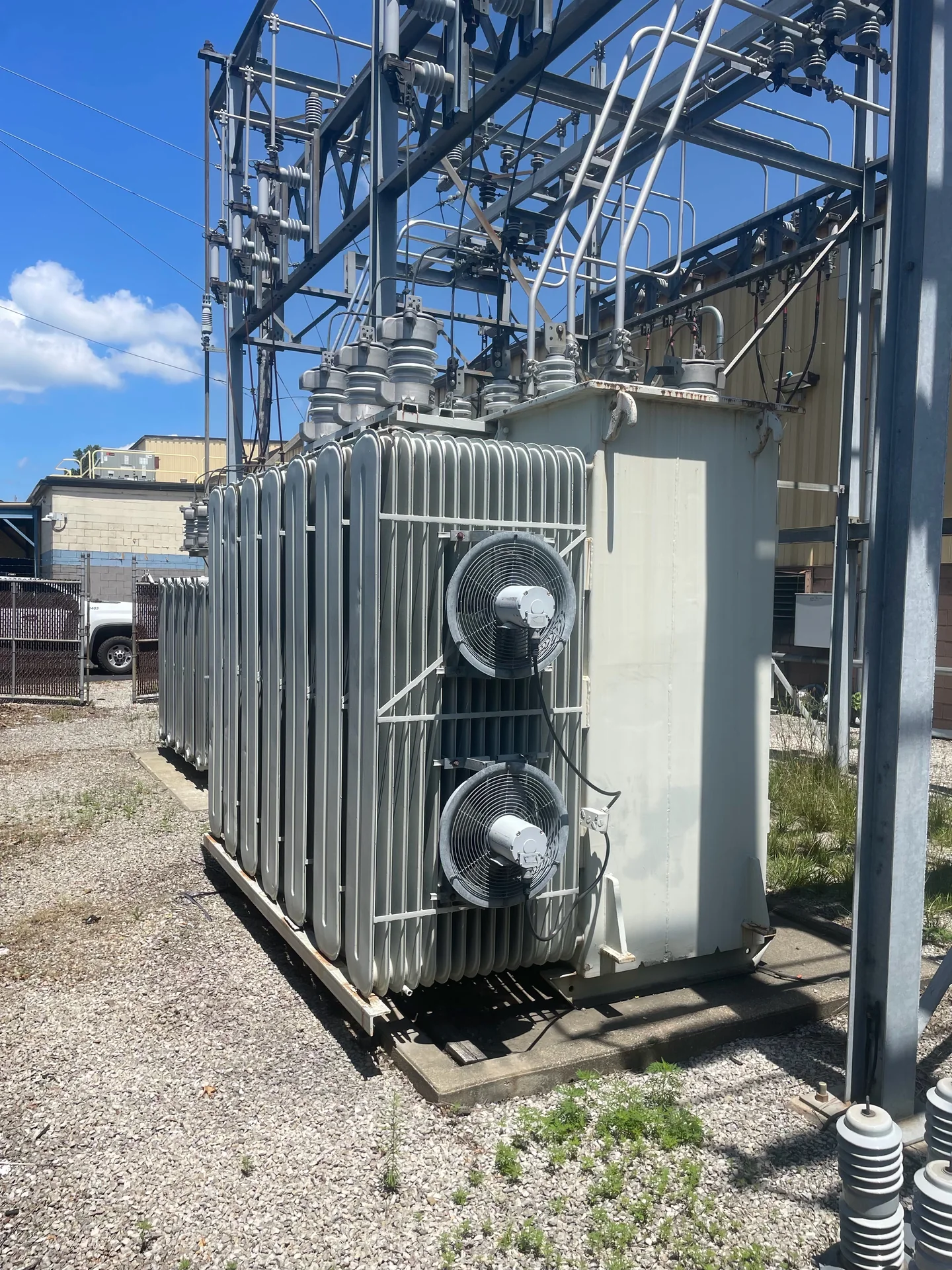
Sell Electrical Transformers in Dallas — Planning Guide
This guide helps building owners, contractors, facility managers, and equipment resellers plan a sale or removal of electrical transformers in the Dallas area. It focuses on documentation, site-access realities, rigging and loading conversations, options for direct sale versus auction or recycling, and how to coordinate with a nationwide buyer. Availability and purchase fit always depend on the specific unit and project; the steps below will help you present a transformer so buyers can assess value and logistics more accurately.
Evaluation starts with facts
Share the manufacturer, rating, voltage, phase, condition, quantity, and location before discussing value or pickup.
1. Document the unit: what buyers need first
Start by collecting core nameplate and condition information that most buyers use to assess value. Photograph and transcribe the nameplate (manufacturer, serial number, kVA/MVA rating, primary and secondary voltages, phase, frequency, design type, and vector group if listed). Note the unit type (pad‑mount, substation, pole, dry‑type, oil‑filled), visible external condition, any corrosion or oil stains, conservator and bushing condition, and whether the unit has accessible test/service records. Clear documentation reduces follow‑up and helps determine market interest.
Gather records of factory tests, maintenance, and any recent repairs or dielectric tests. If you have loss history, oil sampling reports, heater and fan status, relay settings, or recent partial discharge testing, include those files. Buyers rely on such data to evaluate replacement cost, refurbishment needs, and environmental handling. If test reports are unavailable, be explicit about that; it will shape inspection requirements and pricing discussions.
- Photograph nameplate close‑up and full unit from multiple angles
- List kVA/MVA, voltages, phase, frequency, serial number
- Record manufacturer, model, and approximate age
- Note design type: oil‑filled, dry‑type, pad, pole, or substation
- Attach available test, service, and oil analysis records
- Report visible damage, leaks, or missing components
2. Assess site access and constraints
Site access in the Dallas metro can vary from industrial yards to tightly packed urban rooftops. Document gate and driveway widths, overhead clearances, turning radii, and any low bridges or weight‑restricted roads on typical approaches. Note whether the transformer is indoors, in a fenced substation, on a rooftop, or on grade; pad‑mount and vault units will have different access requirements. Take photos of the approach routes showing any obstacles, curb cuts, and loading zones so rigging contractors and carriers can plan safely.
Confirm site requirements such as traffic control, street closure permits, or building management rules that could affect removal timing. If the unit is in a high‑traffic area or near public sidewalks, buyers and carriers may require traffic control plans or temporary lane closures. Early identification of these constraints reduces surprises during quoting and scheduling and clarifies who will obtain permits and pay associated fees.
- Measure gate, driveway, and door clearances
- Photograph approach routes and overhead lines
- Note vehicle weight limits and bridge restrictions nearby
- Identify required permits or traffic control needs
- State whether the unit is inside a secured substation or fenced area
3. Prepare for rigging and loading discussions
Rigging conversations hinge on the unit’s weight, lifting points, and whether it's anchored to a foundation or pad. Provide any stamped drawings, foundation bolt locations, or lifting lug details if available. If the transformer is oil‑filled, state whether the fluid can be drained on site and who is responsible for fluid handling. Emphasize that disconnection, de‑energization, testing, and all rigging must be performed by qualified professionals following applicable codes and environmental rules.
When possible, get a preliminary weight estimate from the nameplate data or manufacturer literature and share it. That allows buyers to estimate crane size, truck capacity, and escort requirements. Clarify timeline windows when the site will allow heavy equipment on property; some sites require nighttime or weekend work to limit disruption. These constraints often influence cost and choice between direct sale and other disposal methods.
- Provide lifting lug locations, foundation details, and estimated weight
- Note if oil can be drained and who handles fluids
- Identify nearby overhead lines or confined spaces
- State preferred removal windows (dates/times)
- Confirm whether a crane pad or special rigging is needed
4. Compare sale routes: direct buyer, auction, broker, or recycler
Decide whether to pursue a direct sale to a buyer, an equipment auction, a broker, or a scrap/recycler. A direct sale to a nationwide buyer can work well when a unit has clear nameplate data, good test records, and manageable access. Auctions may reach a broader buyer pool when condition or records are limited, while brokers can market units to multiple buyers but typically charge a fee. Recycling or scrap disposal is appropriate when salvage value is minimal or environmental liabilities are high.
Be realistic: not every transformer will receive a viable purchase offer. Age, damage, unknown oil content, or missing documentation can reduce market interest. Ask potential buyers what they need to make an offer—some will request a site visit or an on‑site inspection by a third party. Compare turnaround time, removal responsibility, and how the parties handle title, permits, and environmental paperwork before committing.
- Direct sale: good when documentation and access are clear
- Auction: wider exposure but variable final price
- Broker: prospected buyers, added fees
- Recycler/scrap: for end‑of‑life or contaminated units
- Consider inspection cost and removal liability for each route
5. Coordinate a transaction with a nationwide buyer
When working with a buyer that operates nationally, streamline the process by providing a single package: photos, nameplate transcriptions, test/service records, site access photos and measurements, and a description of who holds title. Clarify who will arrange and pay for rigging, transport, permits, and hazardous waste handling if needed. Ask the buyer for a written scope that outlines inspection steps, estimated timeline, and responsibilities so everyone understands expectations before work begins.
Confirm how payment and transfer of ownership will be handled, and whether proof of removal or disposal is required. Keep in mind national buyers may coordinate third‑party contractors for on‑site removal; they will typically require verification that disconnection and de‑energization were completed by qualified personnel. Maintain open lines of communication with contractors, building management, and any regulatory authorities involved.
- Assemble a complete documentation packet before outreach
- Request a written scope of work and schedule from buyer
- Clarify who manages permits, rigging, and fluid handling
- Agree on inspection steps and evidence of de‑energization
- Document transfer of ownership and payment terms in writing
6. Final considerations: timelines, quantities, and demand
Quantities and market demand affect logistics and offers. Multiple units in the same area can attract buyers willing to consolidate removal and reduce per‑unit transport costs. Seasonal demand and broader market cycles also influence buyer interest. Be transparent about your required timeline and any hard deadlines; compressed schedules often increase costs. Remember that availability and purchase fit depend on the actual unit, site, and project—if a direct sale isn’t feasible, explore auction, broker, or certified recycling options.
Finally, prioritize safety, documentation, and regulatory compliance at every stage. Transformer energization, disconnection, testing, rigging, fluid handling, and transport must be done by qualified parties and in accordance with applicable laws and industry standards. Clear documentation, realistic access assessments, and a written scope of work help sell or remove equipment with fewer surprises.
- Group multiple units to improve logistics efficiency
- Communicate firm timelines and any hard removal dates
- Understand that seasonal demand can change offers
- If necessary, prepare for auction or recycling as alternatives
Service-area context
Planning a sale in Texas
This city guide is part of the broader Texas service-area directory. Review statewide pickup and documentation considerations before arranging an equipment review.
Explore the Texas transformer guideCommon questions
Practical answers before you call
One clear next step