Sell Electrical Transformers in Texas — Seller Planning Guide
This statewide guide helps facility managers, contractors, utilities, manufacturers, demolition teams, and resellers prepare transformers for sale across Texas. It focuses on the practical information buyers ask for: ownership and nameplate data, condition and test records, site access and deenergization responsibilities, lifting and loading requirements, long‑distance freight considerations, and realistic disposition options when a direct purchase isn’t feasible. We buy nationwide; this page explains what to assemble and expect during the evaluation and removal process.
Evaluation starts with facts
Share the manufacturer, rating, voltage, phase, condition, quantity, and location before discussing value or pickup.
Gather ownership and transfer documentation first
Start by assembling proof that you have authority to sell each unit. Buyers will request documentation showing clear ownership or transfer rights and may decline to proceed until title issues are resolved. Useful records include asset lists, bills of sale, previous purchase invoices, and any documentation of liens or encumbrances. Early disclosure of multiple owners, leases, or pending claims avoids wasted inspection time and helps determine whether a brokered sale or other route is necessary.
bullets
- Ownership evidence: invoices, bills of sale, or asset tag inventories
- Identify liens, leases, or third‑party claims up front
- List unit counts and serial numbers for every transformer
- Share clear photos of nameplates and surrounding mounting points
Provide complete nameplate and technical details
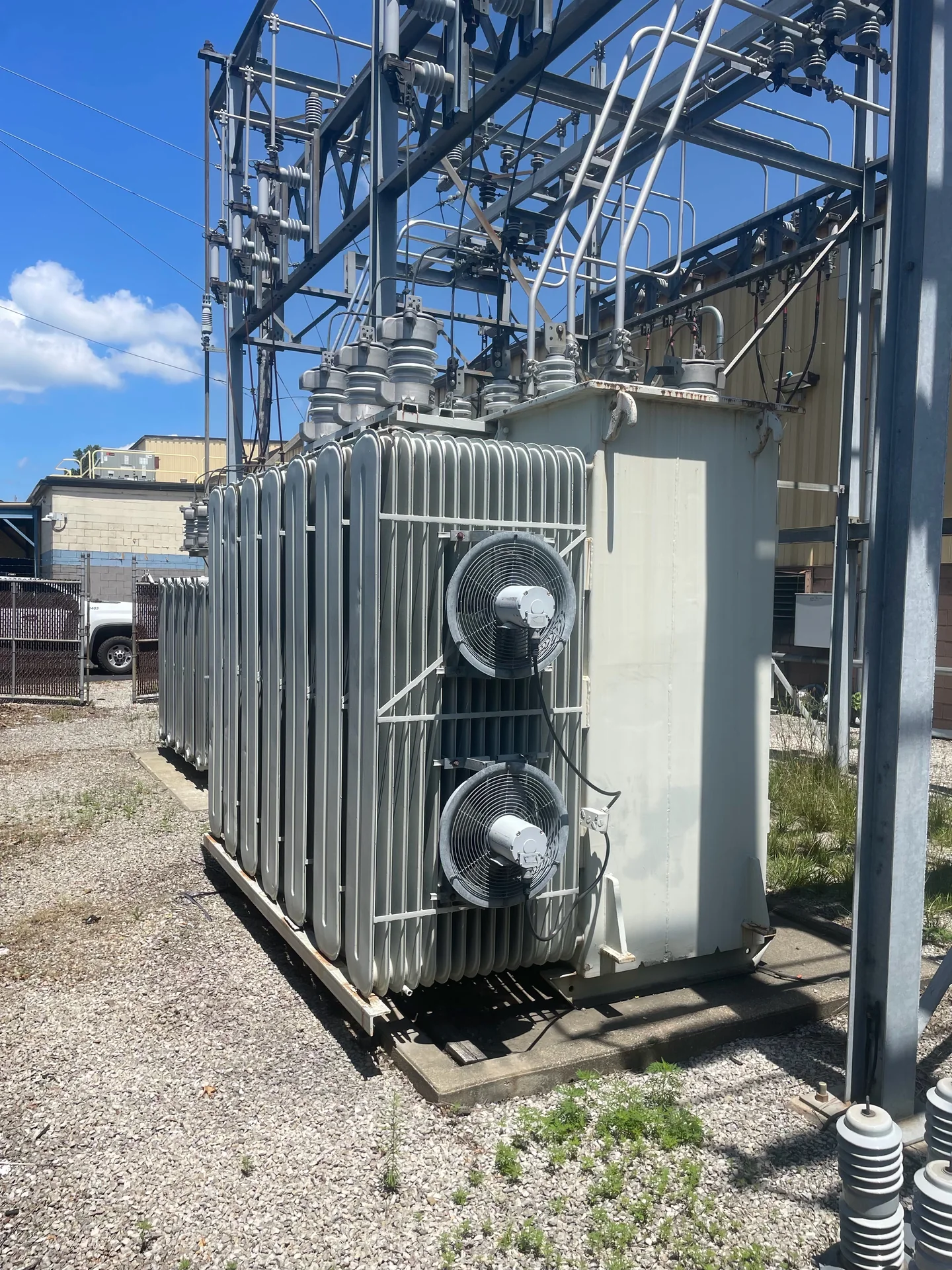
Nameplate data drives initial qualification. Photographs or transcriptions should include manufacturer, serial number, kVA or MVA rating, primary and secondary voltages, phase (single or three‑phase), frequency, vector group (if present), cooling class, and design type (padmount, dry‑type, oil‑filled, substation). Buyers also want age and any model or accessory details such as load tap changers, conservators, or terminal arrangements to determine compatibility and likely demand.
bullets
- Record: manufacturer, serial, kVA/MVA, voltages, phase, frequency
- Specify design: padmount, substation, dry‑type, oil‑filled, LTCs
- Note year of manufacture and any factory test reports
- Photograph nameplate close‑ups plus full unit views
Document condition and available test or service records
Condition assessment and historic test data reduce buyer uncertainty. Note visible issues like corrosion, dents, missing bushings, oil stains, or evidence of repairs. Provide oil analysis, turns‑ratio, insulation resistance, and maintenance logs when available. If records are missing, say so—buyers may order their own testing, ask for an on‑site inspection, or recommend auction or recycling when unknown condition raises financial or regulatory complexity.
bullets
- List visible defects and any prior repairs or component replacements
- Attach oil analysis, turns‑ratio, insulation resistance, and service logs if available
- State whether units have been in continuous service or mothballed
- Disclose any contamination concerns or prior environmental incidents
Clarify deenergization, site safety, and access responsibilities
Transformers must be isolated and made safe by qualified personnel before removal. Buyers will want to know whether your team or a third‑party contractor will handle electrical disconnection, lockout/tagout, and required testing. Describe site type—substation yard, indoor room, rooftop, or industrial pad—plus required permits, site escorts, and any security or scheduling constraints so removal teams can plan appropriately. Do not perform electrical work without appropriately qualified staff and applicable permits.
bullets
- Who will deenergize and authorize removal: your staff or a contractor
- Site type and constraints: indoor, outdoor yard, rooftop, substation
- Permit, access, and escort needs: gate passes, confined‑space, work permits
- Recommend using qualified electricians and following applicable regulations
Plan rigging, lifting, loading, and on‑site logistics
Accurate weights, dimensions, and mounting details are essential for rigging and transport planning. Buyers and carriers will request full unit weight, shipping dimensions, lifting lug locations, and whether tanks can be lifted as a single piece. Note obstructions, crane placement limits, approach routes, and any temporary shoring needs. If you expect to supply rigging crews or specialized equipment, state certifications and availability windows to reduce scheduling uncertainty.
bullets
- Provide weights (full and dry if known) and external dimensions
- Show lifting features: lug locations, pad or skid mounting, rooftop curbs
- Identify crane placement limits, overhead obstructions, and staging areas
- Document availability of certified rigging crews or whether buyer must arrange lifts
Factor long‑distance freight, timing, and realistic outcomes
Long hauls change economics and timing. Oversize permits, route restrictions, seasonal limitations, and escort vehicle needs can add cost and scheduling lead time. Give precise pickup addresses and any routing constraints. Be realistic about availability windows—staged pickups may be necessary for multiple units. Finally, understand not every unit receives a direct purchase offer; when condition, title, or logistics are unfavorable, auction, broker placement, or responsible recycling may be recommended alternatives.
bullets
- Provide exact pickup address and known route restrictions or bridge limits
- Accurate size/weight speeds freight quotes and route permitting
- Plan for staging or phased removal when multiple units or tight access
- Accept alternatives: direct sale, broker, auction, or certified recycling
Common questions
Practical answers before you call
Metropolitan service guides
Explore Texas city guides
Review the city guide closest to the equipment location for local planning details, site-access considerations, and a direct path back to this Texas service guide.
One clear next step