Sell Electrical Transformers in Denver — Seller Planning Guide
If you’re preparing to sell a new, used, or surplus electrical transformer in the Denver metro, planning ahead helps clarify options, reduce surprises, and speed discussions with buyers and contractors. This guide walks through the practical steps most buyers expect before offering—what to document, how to evaluate site access, what rigging and loading information is helpful, how to compare direct sale versus auction or recycling, and how to coordinate logistics with a nationwide buyer. Availability and purchase fit depend on the actual unit and project.
Evaluation starts with facts
Share the manufacturer, rating, voltage, phase, condition, quantity, and location before discussing value or pickup.
1. Document the transformer—start with the nameplate and photos
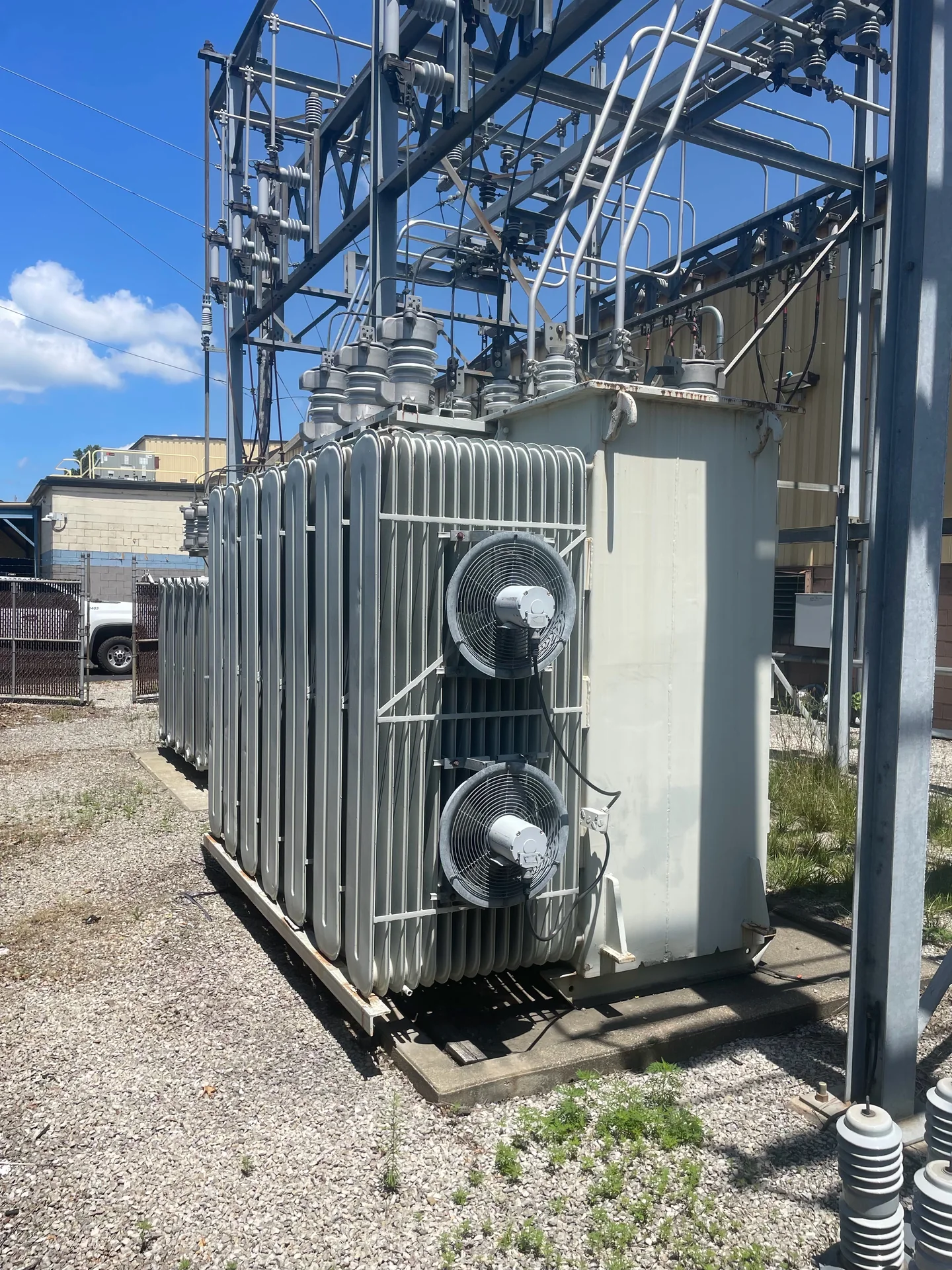
A buyer’s first decision often rests on clear technical data. Capture readable photographs of the nameplate and at least four general views (all sides, top, and any attachments). Note manufacturer, serial number, kVA or MVA rating, primary and secondary voltages, phase (single or three-phase), frequency, vector group or winding connections, and design type (pad-mounted, pole-mounted, unit substation, station class). Include the tank type and cooling method, approximate dry or filled weight, fluid type if visible, and the year or estimated age.
Bulleted lists are useful in response messages; include whether you have factory or field test records, maintenance logs, recent repairs, and any dielectric test results. If the unit has modifications, retrofits, or known damage, document those clearly. Accurate documentation reduces back-and-forth and helps buyers assess demand, transport needs, and compliance considerations.
- Nameplate: manufacturer, serial, model
- Rating: kVA/MVA, voltages, phase, frequency
- Design: pad, pole, station, cooling type
- Physicals: approximate weight, dimensions, year
- Records: test reports, repairs, service history
- Photos: nameplate close-up and all external views
2. Verify ownership, records, and condition
Confirm who holds title and whether any liens, utility agreements, or site leases affect removal. Gather any available test and service records; buyers value recent insulation resistance tests, turns-ratio tests, and oil analysis reports. Describe visible condition: corrosion, dents, or leaks. Age and condition are major price drivers—newer units with full records attract more buyers, while older or untested units may be routed to brokers or recyclers. Be honest about gaps in documentation; that transparency prevents surprises during inspection and negotiation.
If the transformer was part of a larger system, note whether associated switchgear, secondary equipment, or foundation material will be included in the sale. Listing quantity—single unit versus multiple identical units—also affects buyer interest and pricing dynamics.
3. Assess site access and Denver-area constraints
Site access often dictates transport cost and feasibility. In Denver’s mix of dense urban and industrial settings, identify drive width, gate and overhead clearance, distance from the transformer to the nearest public road, and weight limits for driveways or bridges between the unit and staging area. Note site constraints such as narrow alleys, tight turns, low bridges, or limited curbside parking that could limit truck or crane access. If the unit sits inside a fenced substation or secured facility, indicate security contact procedures and any required site escorts.
Also note timing constraints—work-hour restrictions, daytime delivery windows, or municipal permitting that could limit crane operations. Buyers will use this information to price rigging, equipment, and possible traffic control or permit fees into their offer.
- Access: gate width, overhead clearance, turning radius
- Distance: transformer to nearest public roadway
- Load limits: floor or driveway weight restrictions
- Site controls: security, hours, permit or traffic rules
- Staging: available laydown area for crane and truck
4. Prepare for rigging and loading conversations
When you contact buyers or riggers, have lifting details ready: confirmed or estimated weight, center of gravity if known, and presence of certified lifting lugs. If the unit contains insulating fluid, note whether it has been drained and whether you have a documented plan for fluid handling and disposal. Make clear that electrical isolation, de-energization, and testing must be performed by qualified personnel under applicable regulations before any rigging or removal begins.
Buyers and rigging contractors will ask about foundation attachments, bolt patterns, and whether the unit must be cut free or lifted intact. Be ready to share photos and sketches. Early clarity on these items leads to more reliable quotes for cranes, forklifts, flatbed trucks, and escort loads.
- Weight estimate and lifting lugs or eyes
- Center of gravity and mounting details
- Fluid status: drained, drained with documentation, or filled
- Foundation: bolt locations, anchor type, cut requirements
- Required qualified trades: electricians, oil handlers, riggers
5. Compare sale options: direct buyer, auction, broker, or recycler
Choose the sale path that fits your timeline, quantity, and condition. Direct sale to a nationwide transformer buyer can streamline offers and arrange freight, but buyer interest depends on nameplate specs, condition, and current market demand. Auctions can yield competitive pricing for in-demand units but add fees and less predictable timelines. Brokers may expand market reach but typically take commissions. Recyclers or qualified disposal services are the practical route for units that fail to attract buyers or that contain regulated fluids or severe damage.
Not every transformer will receive a purchase offer; older, heavily damaged, or single units with limited market demand are more likely to be directed to auction or recycling. Consider sourcing multiple informal bids so you understand how transport, rigging, and documentation affect net proceeds.
- Direct sale: faster negotiation, depends on unit fit
- Auction: broader audience, less pricing control
- Broker: market access, commission fees
- Recycler/disposal: for non-saleable or regulated units
6. Coordinate logistics with a nationwide buyer
If a nationwide buyer is a fit, expect a sequence: initial info and photos, possible on-site inspection or third-party survey, written offer, and scheduling of rigging and freight. Obtain freight quotes and confirm whether the buyer arranges pickup or you must contract transport. Clarify payment terms and required paperwork such as bill of sale, bills of lading, and any certificates related to fluid handling or environmental compliance. Keep stakeholders informed—site managers, safety officers, and any tenant or municipal contacts—to avoid delays on scheduled lift days.
Throughout, remember that availability and purchase fit depend on the actual unit and project. Coordinate early with qualified riggers, electricians, and environmental contractors to ensure de-energization, fluid handling, and transport follow legal and industry requirements; do not attempt technical work yourself unless you hold appropriate credentials.
- Inspection: photos, records, or on-site survey
- Scheduling: coordinated crane/truck dates and windows
- Freight: who quotes, who pays, escort needs
- Paperwork: bill of sale, manifest, chain-of-custody
- Payment terms and timing (confirm in writing)
Service-area context
Planning a sale in Colorado
This city guide is part of the broader Colorado service-area directory. Review statewide pickup and documentation considerations before arranging an equipment review.
Explore the Colorado transformer guideCommon questions
Practical answers before you call
One clear next step