Sell Electrical Transformers in Colorado — Planning Guide
This page is a practical planning guide for owners and project managers preparing to sell new, used, or surplus electrical transformers in Colorado. It explains the documentation and equipment details buyers typically review, the site and handling information that affects offers, and realistic timing and logistics considerations. We operate as a nationwide buyer; this guide explains information buyers commonly request so you can gather records, prepare the site, and decide whether resale, auction, broker placement, or recycling is most appropriate.
Evaluation starts with facts
Share the manufacturer, rating, voltage, phase, condition, quantity, and location before discussing value or pickup.
Start with clear equipment documentation
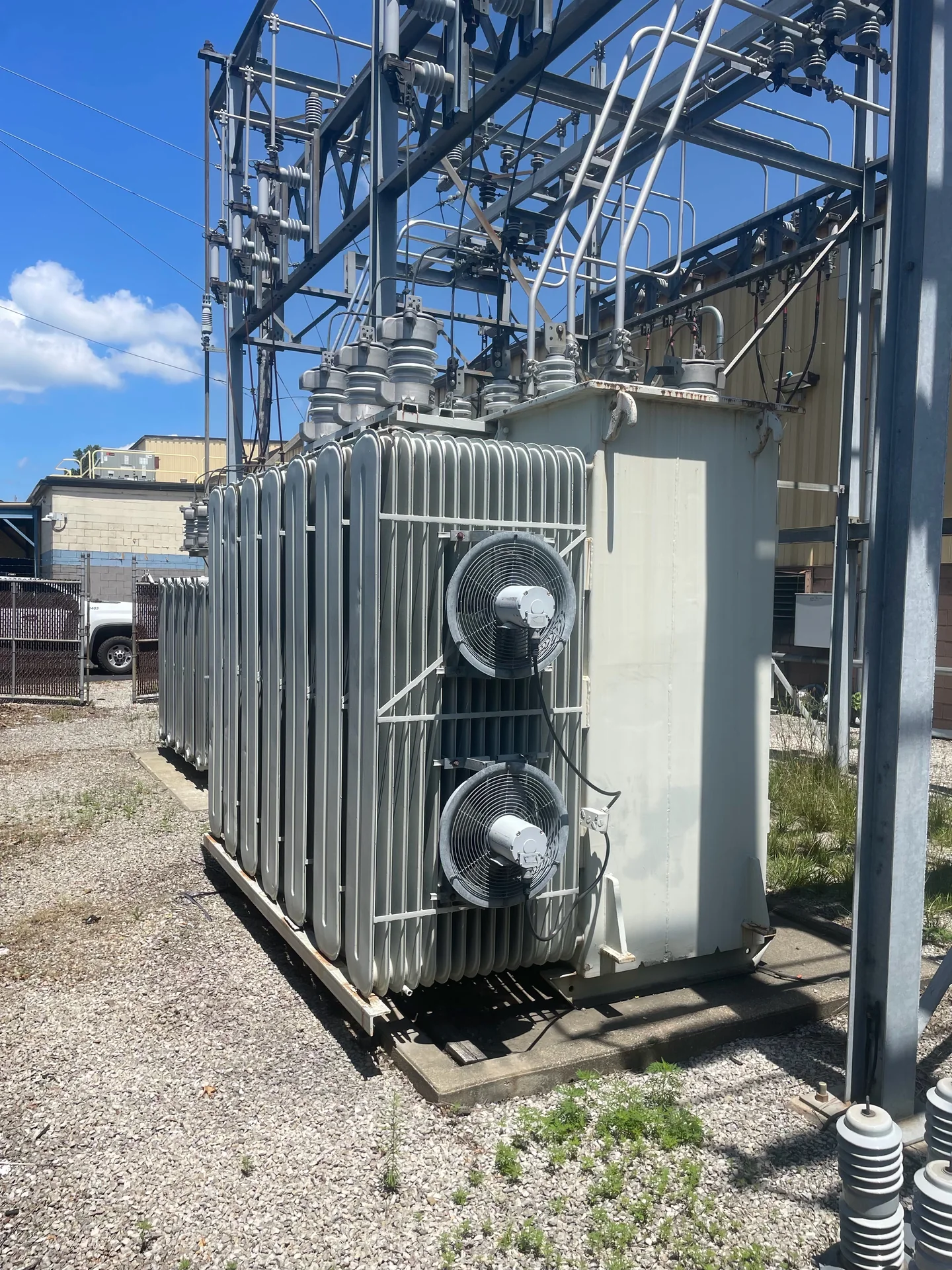
Buyers evaluate offers from the moment they see the transformer’s identity and condition. The most useful items are nameplate photos showing manufacturer, serial number, kVA or MVA rating, primary and secondary voltages, phase, frequency, and vector/delta-wye designation. Also collect design type (padmount, pole, substation unit, liquid-filled, dry-type), manufacture date or age estimates, and any stamped ratings for impedance or temperature rise.
Service and test records materially affect interest and value. Provide recent insulation tests, turns ratio, power factor/dissipation factor, winding resistance, and any dielectric or oil breakdown reports if available. Repair invoices, overhaul receipts, and records of oil filtering or replacement help buyers assess remaining service life. If you lack tests, say so—transparency speeds evaluation but does not by itself determine whether an offer is possible.
- Essential: clear nameplate images (front, sides) and serial number
- Helpful: kVA/MVA, primary/secondary voltages, phase, frequency
- Valuable: test reports, service history, oil analysis, repair invoices
- Quantities: list unit counts and any matching sets or spare parts
Ownership, title, and availability
Confirm who holds title and whether any liens, leased equipment clauses, or third‑party restrictions apply. Buyers will ask who can sign a bill of sale and where the unit is currently located. Having proof of ownership or an asset tag history reduces negotiation friction. If equipment came from an installation with multiple owners or contractors, document how ownership transferred and who will provide final authorization to sell.
Also be clear about availability windows and staging. Is the unit being removed as part of a shutdown, or can it be staged for pickup? If multiple units are offered across several sites, provide a site-by-site inventory and ownership detail. This helps buyers combine freight and timing and can change whether a single offer is practical for the whole lot.
- Provide title documentation or asset tags
- List lease or lien status if applicable
- State exact pickup windows and site contact authority
Site access, location specifics, and environmental considerations
Describe the site clearly: indoor vault, electrical yard, substation pad, rooftop, or pole-mounted. Note site elevation, road routes, and any access restrictions such as narrow drives, weight-restricted bridges, low overhead, or neighborhood traffic limitations. In mountain or remote areas, seasonal road conditions or weight limits can affect scheduling and equipment choices for removal.
Identify local permit needs, security checkpoints, and on-site contact details. If the transformer contains oil or other fluids, disclose that and provide any available spill-control or handling records. Do not attempt fluid removal unless performed by qualified technicians; instead state whether units are currently deenergized and whether a qualified contractor will handle disconnect and fluid management prior to pickup.
- Specify indoor vs. outdoor location and elevation
- List site constraints: drives, clearances, permits, security
- Note whether transformer contains oil or other regulated fluids
Disconnecting, testing, and safety: use qualified professionals
Transformer energization, disconnecting, testing, and any required electrical isolation must be performed by qualified personnel under applicable codes and safety requirements. Buyers will ask whether units are deenergized and documented. Provide records showing who performed disconnects, when they occurred, and the state of protective devices. If you cannot supply these items, plan to hire a licensed contractor to produce the necessary paperwork before transfer.
For large or fixed transformers, include information about grounding, switchgear isolation, and any special procedures used during prior servicing. Emphasize safety: do not attempt live-line work to prepare equipment for sale. Buyers rely on seller transparency about testing gaps because missed information can materially affect offer levels or conditional inspections.
- Supply deenergization and lockout/tagout documentation if available
- Provide contact info for the contractor who handled disconnects/tests
- Do not perform live electrical work without qualified personnel
Rigging, loading, and freight logistics
Understanding rigging and loading requirements early prevents surprises. Provide weights, lifting points, and dimensions; nameplate or manufacturer manuals sometimes include gross weight. Note whether lifting lugs are present or if specialized slings and spreader bars will be required. If transformer is in a vault or tight location, describe steps needed for extraction so prospective buyers can estimate rigging labor and equipment.
Long-distance freight introduces permit needs for oversize loads, escort vehicles, and load securement standards. Clarify whether you expect a buyer to pick up on flatbed/step deck or whether you will deliver to a carrier terminal. Allow realistic lead time for arranging cranes, heavy-haul trailers, and any winter-weather contingencies. Where possible, offer a paved staging area large enough for safe crane placement and truck maneuvering.
- Provide gross weight, dimensions, and lifting point locations
- Identify required rigging gear or crane reach limitations
- State preferred pickup method and whether you can stage for loading
Offers, valuation, and alternatives if sale is not the best option
Buyer demand varies by size, type, condition, and test documentation; not every transformer will receive an offer. Units with full nameplate data, recent tests, and clean ownership records are more likely to attract competitive interest. Quantities and matched sets often improve logistics and value, while isolated or heavily damaged units may be less marketable.
If a direct sale is not viable, consider alternatives: listing through an industrial auction, working with a broker who specializes in electrical equipment, or arranging qualified recycling or disposal through licensed vendors. For units that pose environmental or safety risks, professional recycling and disposal options may be the responsible route. Discuss alternatives openly with prospective buyers so you can choose the path that suits schedule, compliance, and cost priorities.
- Complete records and multiples of the same model increase interest
- Damaged or undocumented units may be better suited to auction or recycling
- Plan timelines for inspection, rigging, and permit procurement
Common questions
Practical answers before you call
Metropolitan service guides
Explore Colorado city guides
Review the city guide closest to the equipment location for local planning details, site-access considerations, and a direct path back to this Colorado service guide.
One clear next step