Sell Electrical Transformers in Detroit
This planning guide is for facility managers, contractors, demolition teams, and equipment resellers in the Detroit metro who are preparing new, used, or surplus electrical transformers for sale. It walks through documenting the unit, identifying site constraints, preparing for rigging and loading discussions, comparing direct sale versus auction or recycling, and coordinating logistics with a nationwide buyer. Availability and purchase fit depend on the actual unit, condition, documentation, and project specifics.
Evaluation starts with facts
Share the manufacturer, rating, voltage, phase, condition, quantity, and location before discussing value or pickup.
1. Gather complete equipment documentation
Before contacting buyers, assemble a clear package of information for each transformer. Essential items include nameplate details (manufacturer, model, serial number), kVA or MVA rating, primary and secondary voltages, phase, frequency, and design type (padmount, pole, core‑form, shell‑form, substation unit, etc.). Also note age, visible condition, quantity of identical units, and any service or test records such as oil tests, turns‑ratio, and recent maintenance work. If ownership or lien status might be questioned, include title or removal authorization documents.
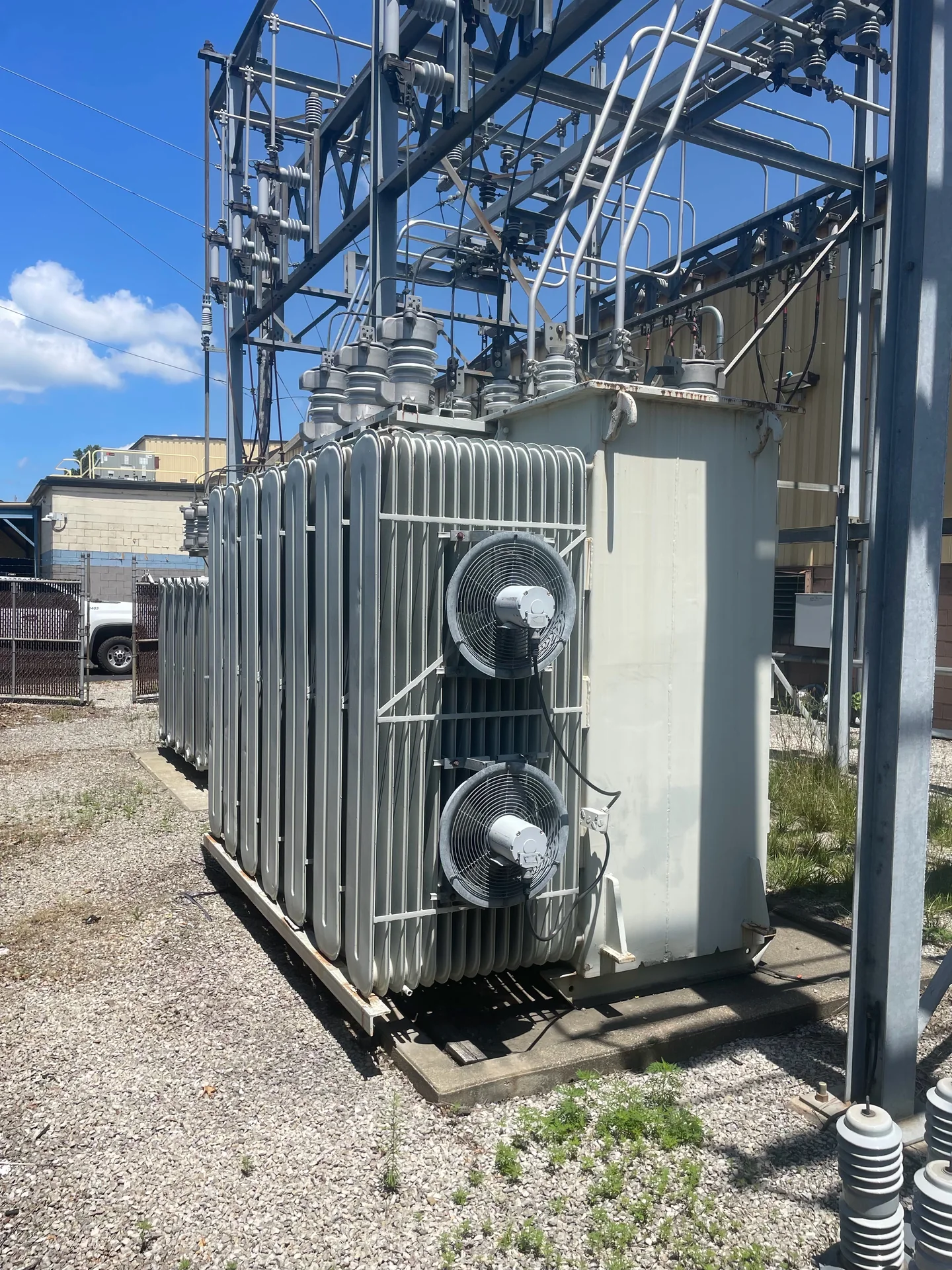
Photographs are critical: capture a readable nameplate, overall unit context showing nearby obstacles, lifting points, bushings, cooling equipment, and any damage. Clear photos plus a short checklist reduce back‑and‑forth and help buyers decide if an on‑site inspection is needed.
- Record nameplate: manufacturer, model, serial number, kVA/MVA, voltages, phase, frequency
- Note design type, age, condition, quantity, and ownership documentation
- Include test/service records and photos of nameplate, lifting points, and surrounding access
2. Survey site access and constraints
Assess how a heavy load will reach the unit. In Detroit’s denser industrial and urban areas, factors such as narrow streets, limited curb space, weight limits on roads or bridges, low overhead lines, and nearby structures can restrict equipment choices. Measure gate widths, driveway turning radii, overhead clearances, and any pavement or ground‑bearing limitations where rigging gear will sit.
Record practical details that affect mobilization: nearby staging areas, whether the transformer sits inside a fenced substation or building, required security check‑ins, and any time windows or noise restrictions that could limit haul or crane activity.
- Measure gates, doors, turning radii, and overhead clearance
- Note road weight limits, staging areas, and fenced or indoor locations
- Document permit, security, or timing restrictions that affect removal
3. Frame the rigging and disconnection conversation
Buyers and carriers will need to know the transformer’s energization status and who will handle electrical disconnection and safety testing. Do not attempt electrical work unless you are a qualified, authorized professional. Instead, provide information on prior lockout procedures, available shutdown windows, and which contractors (if any) your site will allow to perform de‑energization and testing.
Describe known lifting points, skids, or pad attachments and whether oil draining, containment, or pressure/vacuum testing will be required before movement. Being explicit about these items helps buyers estimate crane sizes, rigging hardware, and environmental controls that affect cost and scheduling.
- State whether the unit is energized and who will perform de‑energization and tests
- Identify lifting points, skid attachments, and need for oil handling or containment
- Provide preferred shutdown windows and site safety or contractor restrictions
4. Choose the best sales route for the unit
Compare direct sale to a nationwide buyer, an equipment auction, using a broker, or selling for scrap. Direct buyers may seek specific manufacturers, kVA ranges, voltages, or design types and can act faster when a unit matches current demand. Auctions broaden buyer reach but introduce fees and price variability. Recycling is appropriate when reuse value is low or required documentation and testing are missing.
Let quantity, condition, and records guide the choice: a well‑documented substation transformer with test reports may attract direct offers, while mixed small units or heavily damaged equipment may perform better via auction or recycling. Be realistic about timeline and price uncertainty for each path.
- Direct sale: efficient when specs and condition match buyer demand
- Auction: wider exposure but variable final price and added fees
- Recycler: option if reuse value is low or documentation is incomplete
5. Coordinate responsibilities with a nationwide buyer
If you pursue a direct sale with a buyer that operates nationally, expect a staged process: remote evaluation, offer, written scope, and mobilization. Share the documentation package, photos, and access details upfront. The buyer will outline who is responsible for disconnection, permits, third‑party inspections, rigging, and freight; get those responsibilities in writing to avoid surprises.
Confirm insurance, liability terms, and inspection milestones tied to payment. Because buyers may schedule carrier resources across regions, be prepared to coordinate calendars and remain flexible about lead times while keeping clear communications about on‑site requirements.
- Provide full documentation and request a written scope of work
- Clarify who secures permits, pays for rigging/freight, and handles inspection
- Agree on insurance, liability, and payment milestones before mobilization
6. Plan freight, timing, and fallback options
Freight mode (flatbed, lowboy, multi‑axle trailer, or specialized transporter), permit needs, and seasonal conditions will affect final costs and timing. Solicit preliminary freight estimates once weight and dimensions are documented and schedule removal with local traffic and permit authorities in mind. Anticipate additional charges for escorts, road closures, or specialized loading equipment.
Keep backup options ready in writing—an auction listing, broker outreach, or qualified recycler—if a direct sale does not proceed. Throughout the process, ensure that electrical disconnection, rigging, fluid handling, testing, and transport are completed by qualified professionals and comply with applicable codes and environmental rules.
- Get freight estimates after documenting weight/dimensions and access limits
- Schedule around permits, escorts, and seasonal restrictions
- Prepare written fallback routes (auction, broker, recycler) if needed
Service-area context
Planning a sale in Michigan
This city guide is part of the broader Michigan service-area directory. Review statewide pickup and documentation considerations before arranging an equipment review.
Explore the Michigan transformer guideCommon questions
Practical answers before you call
One clear next step