Sell Electrical Transformers in Michigan — Planning Guide
If you’re preparing to sell one or more electrical transformers in Michigan, this guide explains the practical steps buyers typically need before making a purchase decision. It covers the equipment data and ownership records most requested, how to assess site access and lifting needs, what to expect for long‑distance freight, and common condition issues that affect value or disposition alternatives. We operate as a nationwide buyer and outline the information and preparation that will make the process clearer for sellers and their contractors.
Evaluation starts with facts
Share the manufacturer, rating, voltage, phase, condition, quantity, and location before discussing value or pickup.
Start with clear equipment identification and nameplate data
The single most useful starting point for buyers is accurate equipment identification. Photograph or transcribe the nameplate(s) and gather basic technical details: manufacturer, serial number, kVA or MVA rating, primary and secondary voltages, phase (single or three‑phase), frequency (50/60 Hz), vector group or connection type, cooling/design type (ONAN, ONAF, air‑cooled, etc.), and year of manufacture when available. These fields drive initial qualification and comparable-market checks; missing or illegible nameplates can slow evaluation.
If there are multiple units, list quantities and note whether units are identical or mixed models. Also record peripheral items included in the sale — bushings, conservators, tap changers, secondary equipment, or spare parts. Buyers rely on this detail to determine whether a unit is suitable for refurbishment, resale, spares, or scrap.
- Essential nameplate items: manufacturer, serial number, kVA/MVA, voltages, phase, frequency, vector group
- Design descriptors: cooling class, on‑load tap changer presence, bushings and secondary terminations
- List quantity and any accompanying spare parts or accessories
Compile ownership, testing, and service records
Clear documentation of ownership and maintenance history improves buyer confidence and can materially affect offers. Provide title or bill of sale information, purchase invoices if available, and any records of laboratory or field testing (insulation resistance, power factor/dissipation factor, turns ratio, DGA for oil‑filled units, or sweep frequency response where performed). Service or rewinding records and dates of major repairs are especially important for older equipment.
If the transformer has been out of service for an extended period, note the last date of operation and any preservation steps taken during storage. Buyers will want to know the timeline of use and inactivity to assess reconditioning needs and estimate costs.
- Ownership records: purchase invoice, bill of sale, or asset tag information
- Testing records: insulation tests, turns‑ratio, DGA reports for oil units, and service logs
- Maintenance history: dates and descriptions of repairs, rewind work, or major component replacements
Assess site access, rigging and loading requirements
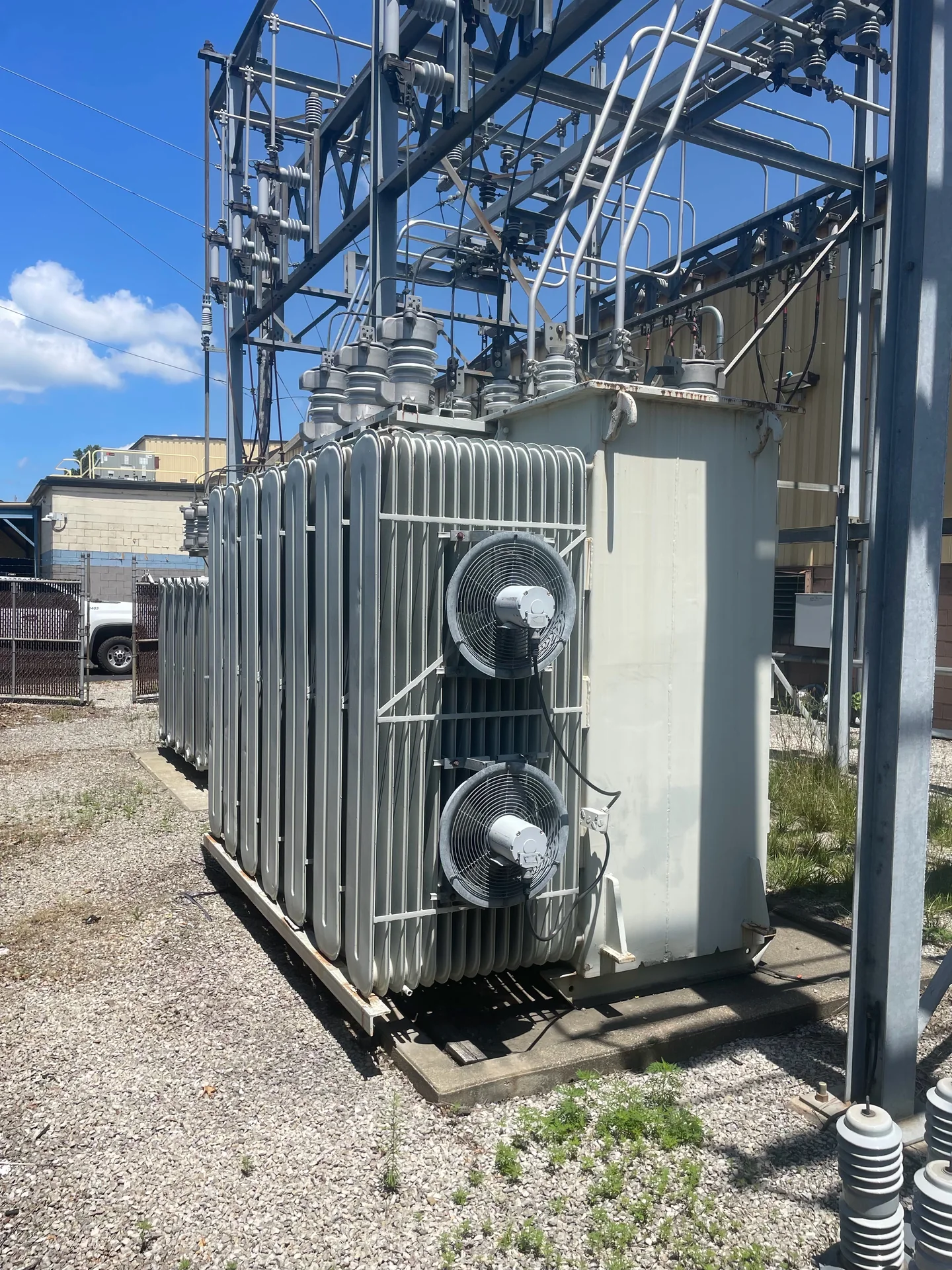
Site access and the physical process of disconnecting, rigging, and loading are frequent deal breakers. Document the transformer’s exact placement (pad‑mounted, indoor substation, rooftop, rail siding, or fenced yard), clearance dimensions for cranes and trucks, overhead obstructions, and the condition of access roads. Indicate whether the transformer remains connected to live equipment — only qualified electrical professionals should handle disconnection.
Share photos showing approach routes, lifting lugs, skid arrangements, and any permanent or temporary blocking. Buyers need to estimate rigging complexity, whether special lifting frames or spreaders are required, and whether confined‑space or traffic‑control plans will be needed during removal.
- Location types to note: pad‑mounted, fenced outdoor yard, indoor vault, rooftop, rail siding
- Photos to provide: approach routes, lifting points, all sides of the unit, overhead clearances
- Questions for rigging: crane reach and capacity, ground bearing, obstructions, permitting needs
Plan for transport and long‑distance freight
Transportation costs and logistics are a major part of any sale, especially for heavy or oversized units. Buyers will request the transformer dimensions and gross weight, and whether the unit can be skirted or needs special escort permits. For oil‑filled units, note whether the transformer is drained or contains residual fluid; environmental regulations and carriers often require specific handling and documentation for liquids.
If you are located far from major highways or require additional transload operations, disclose that early. Long‑distance freight quotes can vary with seasonal road restrictions, bridge limits, and permit processing times. Providing accurate dims and weight will speed realistic freight estimates.
- Provide gross weight, transport dimensions (length, width, height) and lifting center of gravity if known
- State whether the unit is drained of dielectric fluids or if residual oil remains; indicate containment measures
- Flag remote or constrained access that could require specialized trucking, escorts, or multi‑lift plans
Timing, project coordination and transfer of ownership
Agreeing on a timeline upfront helps align seller, buyer, and contractors. Typical milestones include document submission, remote qualification, site inspection, disconnect scheduling with a qualified electrical contractor, rigging and loadout, and final payment/transfer of title. Be realistic about the time required for permits, contractor availability, and seasonal weather that could affect heavy lifts or road permits in Michigan.
Clarify how and when ownership transfers — whether upon signed bill of sale, physical removal, or receipt of funds. Buyers may condition offers on inspection or testing; understand those contingencies so you can schedule inspections and coordinate access days.
- Key milestones: documentation → qualification → site inspection → disconnect/rigging → loadout → title transfer
- Contingencies to expect: post‑inspection adjustments, test results, and holdbacks related to condition
- Coordinate disconnects only with qualified electrical contractors and in compliance with applicable rules
Condition issues, valuation impacts and alternative disposition options
Condition heavily influences offers. Corrosion, bushing or core damage, evidence of overheating, internal contamination, and missing components reduce value or render a unit suitable only for parts or recycling. Conversely, recent testing and clean storage increase practical value. Be candid about defects and provide photo documentation and test reports where available — transparency prevents wasted travel and expedites realistic bids.
Not every transformer will receive an acceptable offer. If a buyer declines, sensible alternatives include listing the unit through a broker or auction house that specializes in industrial electrical equipment, engaging a recycler for salvage value, or arranging qualified disposal. Any energization, decommissioning, fluid handling, or transport should be done by appropriately qualified parties in compliance with environmental and safety requirements.
- Value drivers: test records, age, manufacturer reputation, kVA rating, service history
- Common deal stoppers: significant core or bushing damage, leaking fluid without containment, missing nameplate
- Alternatives: brokered sale, auction, parts resale, or recycling/disposal with qualified contractors
Common questions
Practical answers before you call
Metropolitan service guides
Explore Michigan city guides
Review the city guide closest to the equipment location for local planning details, site-access considerations, and a direct path back to this Michigan service guide.
One clear next step