Sell Electrical Transformers in Fort Worth — Planning Guide
If you are preparing to sell a new, used, or surplus electrical transformer in the Fort Worth metro area, advance planning reduces surprises and shortens timelines. This guide explains what buyers typically need to evaluate fit and availability, how to document nameplate and test data, how to survey site access and lifting constraints, how to prepare for rigging and loading conversations, how to compare direct sale versus auction or recycling, and how to coordinate logistics with a nationwide buyer. Availability and purchase fit depend on the actual unit and project. Energization, disconnection, testing, fluid handling, rigging, and transport must be performed by qualified professionals under applicable rules.
Evaluation starts with facts
Share the manufacturer, rating, voltage, phase, condition, quantity, and location before discussing value or pickup.
1. Start by documenting the unit clearly
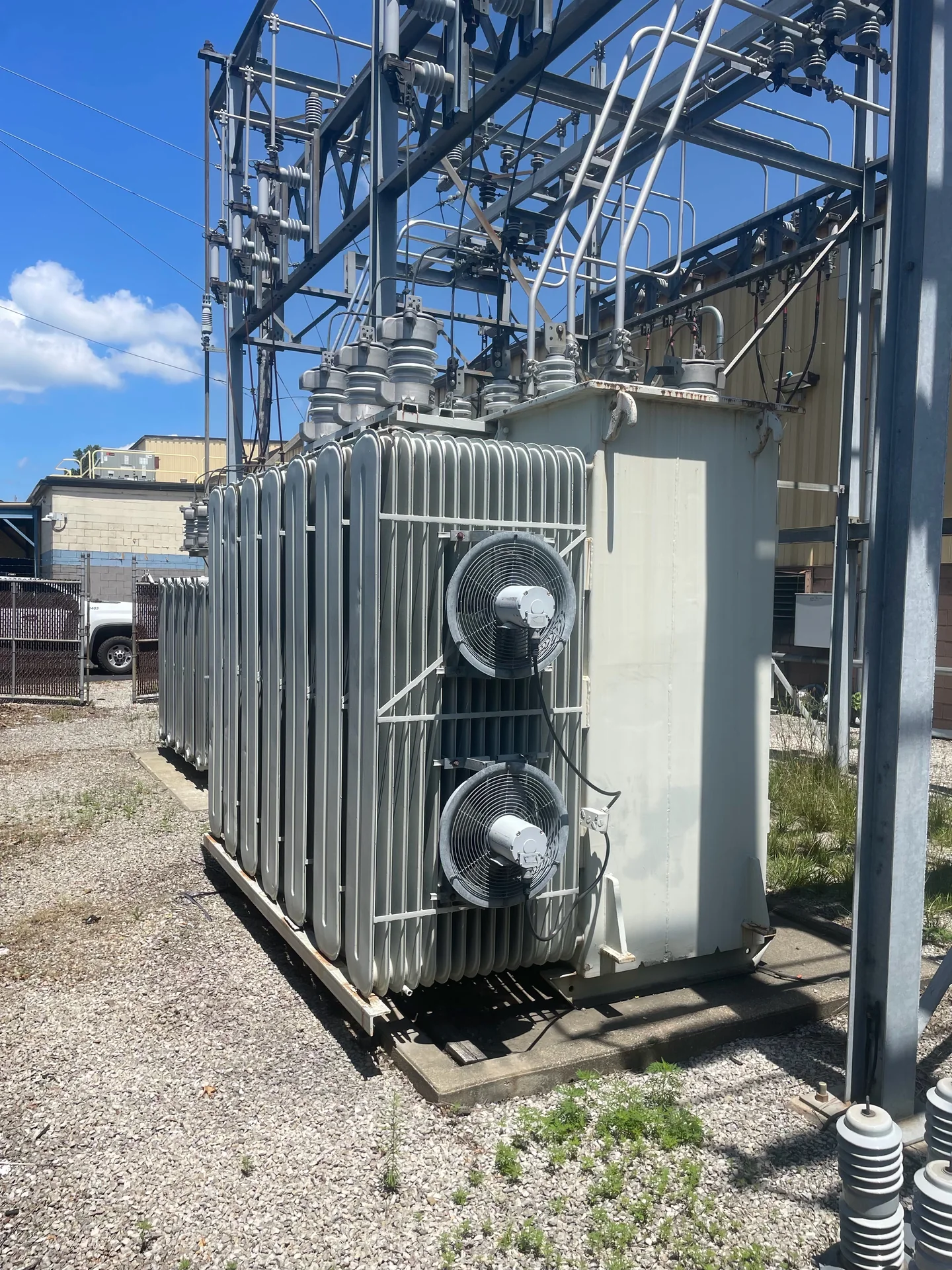
Well-organized documentation is the single most useful thing you can provide to a potential buyer. Photograph the nameplate and record manufacturer, serial number, kVA/MVA rating, primary and secondary voltages, phase, frequency, and design type (pad‑mounted, substation, dry‑type, oil‑filled, auto, isolation). Note approximate age, quantity if you have multiple units, ownership or title status, and visible condition issues such as corrosion, dents, bushing damage, or oil stains. Include any available factory tests, DGA, dielectric tests, and maintenance/service records rather than guessing missing details.
bullets
- Essential nameplate items: manufacturer, serial, kVA/MVA, primary/secondary voltages, phase, frequency
- Design and condition notes: pad or substation, oil‑filled vs dry, external damage, bushing and cooling condition
- Documentation to attach: test reports, DGA, maintenance logs, purchase invoices, and serial lists
2. Survey site location and access before outreach
A brief site survey with measured photos helps buyers assess feasibility and price. Record driveway and gate widths, overhead clearances, turning radii, pad or skid dimensions, and weight limits on approach roads or bridges. If the unit sits inside a fenced yard, rooftop, or substation, document stair access, nearby equipment, and any security, permit, or utility notification requirements that could affect scheduling. Note potential staging areas for cranes or trucks and take photos of the route from the public road to the unit.
bullets
- Measure gate width, overhead clearance, turning radii, and pad/skid footprints
- Check local road weight limits, bridge restrictions, and permit needs for oversized loads
- Photograph the full approach route and potential crane/truck staging areas
3. Prepare for rigging and loading conversations
Buyers and their rigging partners will ask about lifting points, skid or pad configuration, and approximate weights (empty and fluid‑full). Identify lifting lugs, skid attachments, and whether the unit has been drained. Do not perform electrical disconnection, draining, or lifts yourself unless those tasks are contracted to qualified electricians, environmental contractors, and certified riggers following applicable regulations. Early clarity about who will provide cranes, certified riggers, traffic control, and permits prevents scope confusion that can delay pickup and change offers.
bullets
- Note lifting lugs, skid layout, and empty vs full weight estimates
- State whether oil or other fluids are present and whether they have been drained
- Clarify which party will supply cranes, certified riggers, permits, and traffic control
4. Compare direct sale, auction, broker, and recycling options
Decide whether speed, price, or minimizing seller labor is your priority and evaluate routes accordingly. A direct sale to a nationwide buyer can reduce handling if the buyer manages removal and has reuse markets for the specific manufacturer, kVA range, or voltage class. Auctions broaden exposure and sometimes raise competitive bids but add fees and timing uncertainty. Brokers may place niche equipment with specialty end users. Recycling or qualified disposal fits units that are heavily damaged, contaminated, or obsolete and lack reuse value. Always factor removal, testing, and environmental compliance into net comparisons.
bullets
- Direct sale: potential for buyer-managed pickup, dependent on buyer demand for that type and condition
- Auction: wider exposure, variable timelines and seller fees
- Broker or recycler: good alternatives when direct offers aren’t available or unit is contaminated
5. Coordinate the transaction with a nationwide buyer
When a buyer operates regionally or nationally, get roles and milestones in writing: whether a remote photo review suffices or if an on‑site inspection is required, who arranges and pays for rigging and freight, insurance coverage during removal, and payment terms tied to completed pickup or inspection. Confirm whether the buyer’s interest is conditional on test results, ownership documentation, or environmental clearances. Maintain open communication with site safety, security, and operations teams about removal windows and any permit or utility notifications needed.
bullets
- Request a written outline of inspection requirements, removal responsibilities, insurance, and payment steps
- Confirm whether offers are conditional on additional testing or on‑site inspection
- Coordinate pickup windows with site operations and allow lead time for permits and carriers
6. Practical checklist and next steps
Before soliciting serious offers, complete a concise checklist: clear nameplate photos and serial lists; assembled test, DGA, and service records; measured photos of approach routes and staging areas; an estimate of weights and lifting points; and basic ownership documentation. Obtain contractor quotes for certified disconnection and rigging if you expect to compare net proposals. Decide whether you prefer a buyer to assume removal responsibility or to receive a higher price with seller‑arranged removal; communicate that preference to prospective buyers. Availability and purchase fit depend on the actual unit and project.
bullets
- Collect: nameplate photos, serial numbers, test records, ownership or title info
- Survey: approach route, gate widths, staging areas, permit requirements
- Estimate: weights and lifting points; get quotes for disconnection and rigging
- Compare: direct offers, auction terms, broker placements, and recycling/disposal costs
Service-area context
Planning a sale in Texas
This city guide is part of the broader Texas service-area directory. Review statewide pickup and documentation considerations before arranging an equipment review.
Explore the Texas transformer guideCommon questions
Practical answers before you call
One clear next step