Sell Electrical Transformers in Houston — Planning Guide
This guide helps facility managers, contractors, utilities, demolition teams, and equipment resellers in the Houston metro prepare new, used, or surplus electrical transformers for sale. It explains how to document nameplate and test data, identify site-access constraints, prepare for rigging and loading discussions, compare direct-sale versus auction or recycling, and coordinate a transaction with a nationwide buyer. Availability and purchase fit depend on the actual unit and project; provide clear information up front to get realistic responses.
Evaluation starts with facts
Share the manufacturer, rating, voltage, phase, condition, quantity, and location before discussing value or pickup.
Document the unit: nameplate, ratings, and history
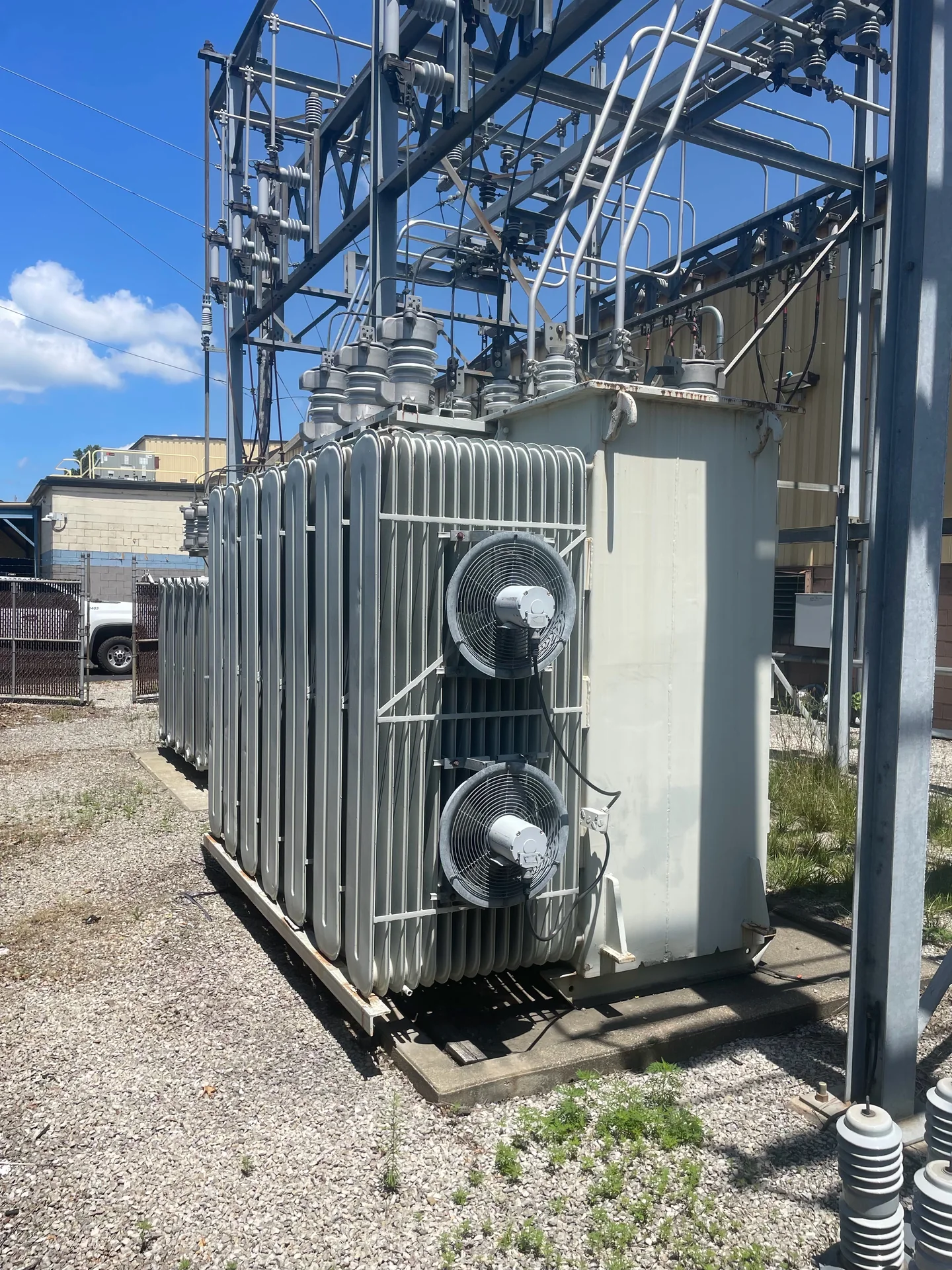
Begin by photographing and recording every visible nameplate, tag, and factory marking. Key fields buyers use are manufacturer, serial number, kVA or MVA rating, primary and secondary voltages, phase, frequency, cooling and design type (pad‑mounted, station, autotransformer, etc.), and manufacture year. Note any auxiliary components such as tertiary windings, tap changers, or specialty bushings. These basic data let a prospective buyer determine whether the unit meets their technical criteria or inventory needs.
Add condition and service information: recent test or service records, dielectric and oil test results, turns‑ratio or insulation resistance reports, documented repairs, and reasons for removal. If multiple units are available, list quantities and whether they share asset tags or project history. Honest, complete documentation reduces follow‑up questions, speeds remote screening, and produces more accurate preliminary offers.
Assess site access and constraints
Map how a carrier or rigging crew would approach and stage around the unit. Record site coordinates, nearest truck routes, driveway width and turning radii, overhead clearances, curb or sidewalk obstacles, and any bridge or weight restrictions on approach roads. Note whether the unit sits at grade, on a pad, in a vault, on a rooftop, or behind fencing; each configuration affects lifting equipment and cost. Describe gate sizes, security protocols, and any restricted hours for work.
For Houston properties include relevant local considerations such as industrial park layouts, narrow urban streets, and potential storm‑season impacts on scheduling. Flag environmental or permitting concerns you know about (street closures, traffic control needs, or filtration/containment requirements). Do not perform electrical or rigging tasks yourself—hire qualified professionals and confirm applicable permits and codes are observed.
Prepare for rigging and loading conversations
When discussing removal with riggers, carriers, or buyers, provide dimensions, estimated weights, documented lifting points, and photos of potential pick paths. Indicate whether factory lifting lugs are intact, tanks are separate from windings, or special cribbing will be required. If fluids such as transformer oil are present, note the fluid type and whether testing or manifests are available; handling and disposal must be managed by qualified parties under applicable environmental rules.
Share a realistic timeline and any hard dates for site turnover. Early clarity on ideal pickup windows, flexibility, and on‑site contact persons helps carriers price work and arrange permits. Expect carriers to request a short site visit or detailed photos before issuing firm estimates; that step is normal and reduces surprises on removal day.
Decide sale pathway: direct buyer, auction, broker, or recycler
Compare options before soliciting offers. Direct national buyers typically prefer well‑documented units that are straightforward to remove and resell. Auctions and equipment brokers can reach broader markets and may produce competitive bids for clean, serviceable units. Recycling or qualified disposal is appropriate when units are heavily damaged, contaminated, or otherwise unsuited for reuse; recyclers also handle fluid management and decommissioning in accordance with regulations.
Each route has trade‑offs: direct sales can be efficient but may require more detailed records and removal coordination; auctions trade control for market exposure; brokers add intermediary fees but can manage logistics; recyclers prioritize environmental compliance over resale value. Remember that not every transformer will receive a direct purchase offer—condition, design, age, and current buyer demand matter.
Coordinate with a nationwide buyer
A nationwide buyer will typically start with nameplate data, photos, and access notes to provide a preliminary, non‑binding quote. They may request recent test records and a site contact for inspection. Clarify early who is responsible for on‑site inspection costs, whether the buyer or seller arranges removal and freight, and what minimum documentation (ownership, decommissioning status, environmental paperwork) is required to transfer title and release payment.
Agree on contingency plans if the site differs from documentation and on what happens with unexpected findings. Request written terms that define responsibilities for permitting, site prep, and last‑mile rigging. Maintaining a clear schedule and chain‑of‑custody documentation reduces disputes and helps both parties coordinate carriers, cranes, and transport equipment on pickup day.
Seller checklist and next steps
Organize the sale with a concise checklist before outreach. Prepare clear nameplate photos and serial numbers, gather test and service records, document quantities and ownership, map access routes with pictures, and identify any permits, security requirements, or restricted operating windows. Contact qualified electricians, certified rigging contractors, and environmental specialists early for removal planning and to confirm that de‑energization, testing, fluid handling, and transport will be performed by experienced, credentialed parties.
Reach out to multiple buyers, brokers, or auction houses to compare realistic offers and terms. If a direct purchase is not suitable, consider auction listing or authorized recyclers for responsible disposal. Keep in mind that availability and purchase fit depend on the actual unit and project, so expect some follow‑up questions and an inspection before a firm offer is issued.
- Nameplate photos and serial numbers
- Recent test/service records and oil reports
- Photos of access routes and lifting points
- Quantity, ownership paperwork, and timeline
- Notes on fluids, environmental concerns, permits
- Site contact for security or facilities coordination
Service-area context
Planning a sale in Texas
This city guide is part of the broader Texas service-area directory. Review statewide pickup and documentation considerations before arranging an equipment review.
Explore the Texas transformer guideCommon questions
Practical answers before you call
One clear next step