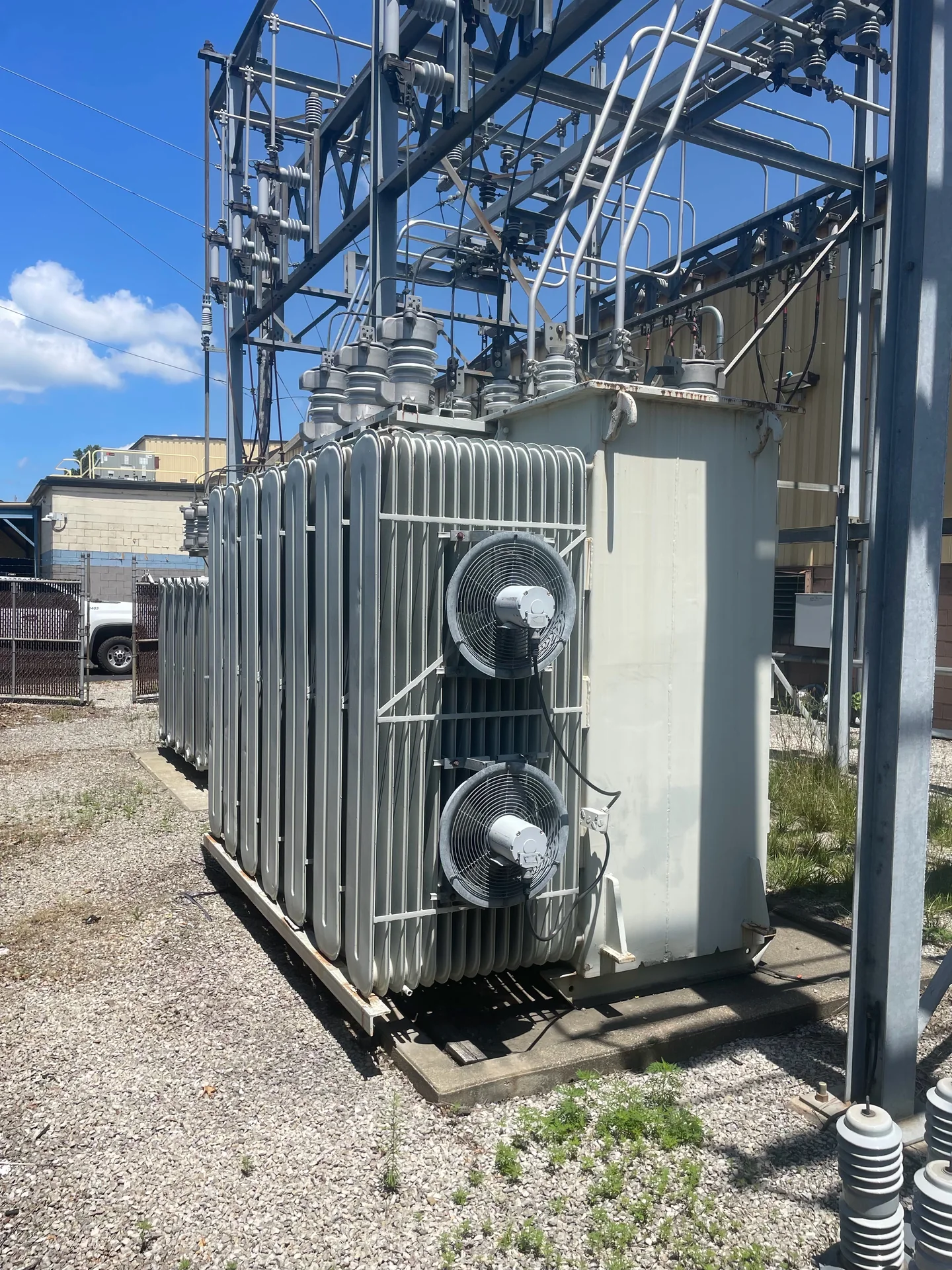
Sell Electrical Transformers in Kansas City — Planning Guide
If you’re preparing to sell a transformer in the Kansas City metro, planning ahead reduces delays, surprises, and extra cost. This guide explains the information buyers typically need, how to assess site access and lifting constraints, what to gather for rigging and loading conversations, and how to compare direct offers with auction or recycling alternatives. Availability and purchase fit depend on the actual unit and project, so organized documentation and realistic timelines help buyers evaluate possibilities faster and more accurately.
Evaluation starts with facts
Share the manufacturer, rating, voltage, phase, condition, quantity, and location before discussing value or pickup.
Document the unit: nameplate and service history
Begin by compiling every identifier and technical detail visible on the transformer nameplate and in maintenance records. Buyers use nameplate data—manufacturer, serial number, kVA or MVA rating, primary and secondary voltages, phase, frequency, design type or vector group, cooling class, and impedance—to assess compatibility and market value. Include model and manufacturing dates, approximate weight and dimensions, and whether the unit is oil-filled or dry-type. Provide any available test reports, service records, and recent inspection notes to reduce uncertainty during evaluation.
bullets
- Manufacturer and serial number
- kVA/MVA rating, primary/secondary voltages, phase, frequency
- Design type or vector group, cooling class, insulation fluid type
- Approximate dimensions and shipping weight
- Date of manufacture, age, and condition notes
- Recent test or service records (DGA, turns ratio, insulation resistance)
Assess site access and location constraints
Map the exact location and access route from public roads to the transformer. Note gate widths, driveway load ratings, clearances under overhead lines, turning radii for trucks and cranes, and any weight or axle limits on approach roads or bridges. For pad-mounted units, confirm whether they sit behind fences or in vaults; for substation pieces, identify isolation distances and required permits. Urban sites in Kansas City often have limited staging space and traffic controls, while industrial yards may offer heavier rigging options—documenting access avoids last-minute changes.
bullets
- Exact site address and GPS coordinates
- Gate, driveway, and aisle widths
- Overhead obstructions and clearance heights
- Available staging or laydown areas for crane/truck
- Permit needs, restricted hours, or traffic control requirements
Prepare for rigging and loading discussions
Provide clear photos from multiple angles showing lift points, pad or foundation attachments, nearby equipment, and the surrounding access route. If the unit has factory lift lugs, document their condition; if not, note where rigging crews would secure slings or spreader bars. Share the unit’s weight and center-of-gravity estimates when available. Buyers and carriers will need this information to size cranes, slings, trailers, and escort vehicles. Remember that disconnection, de-energization, testing, and fluid handling should be performed by qualified professionals under applicable rules.
bullets
- Photos of all sides, nameplate, and lift points
- Approximate weight and center-of-gravity notes
- Access route photos showing approach and staging areas
- Any required permits, lockout/tagout, or utility coordination
Compare direct sale versus auction, broker, or recycler
Decide whether you want to solicit direct purchase offers from nationwide buyers, list the unit at auction, use a broker, or recycle through a qualified scrap facility. Direct sale can be efficient when you have clear documentation and established demand; auctions may reach a wider buyer pool but can incur fees and timing uncertainty. Brokers can manage marketing and negotiation but charge commissions. Recycling may be the safest disposal route for units that are obsolete or in poor condition, but that path typically focuses on salvage value rather than equipment reuse.
bullets
- Direct sale: faster if documentation is complete, requires negotiation
- Auction: broader exposure, variable price, fee structure
- Broker: hands-off marketing and negotiation, commission costs
- Recycler/scrap: sensible for badly damaged or non-compliant units
Coordinate the transaction with a nationwide buyer
If working with a buyer who operates nationally, confirm inspection procedures, acceptable proof of ownership, pickup windows, insurance expectations, and payment terms up front. Nationwide buyers usually coordinate third-party rigging and freight or accept seller-arranged carriers; clarify who hires and pays the rigging crew and carrier, and obtain written scope and timelines. Provide a primary point of contact at the site and confirm working hours, contactless pickup options, and any access constraints. Availability and purchase fit depend on the actual unit and project, so keep timelines flexible until inspection and agreements are complete.
bullets
- Agree on inspection scope, in-person or remote
- Define who arranges and pays rigging and transport
- Confirm proof of ownership and required paperwork
- Set realistic pickup windows and contingency plans
Before scheduling a pickup: safety, records, and alternatives
Before committing to a pickup date, ensure that qualified personnel have handled lockout/tagout, de-energization, and any regulated fluid removal. Keep test and service records ready and be transparent about damage, leaks, or code compliance concerns. If a direct offer isn’t feasible, prepare to market the unit through brokers or auctions or to engage a licensed recycler for compliant disposal. Availability and purchase fit depend on the actual unit and project; clear documentation and honest condition disclosure will help you select the best path.
bullets
- Confirm qualified contractors for disconnection and fluid handling
- Assemble title/ownership documents and test reports
- Consider auction or broker if direct buyer interest is low
- If hazardous materials or leaks exist, plan licensed disposal
Service-area context
Planning a sale in Missouri
This city guide is part of the broader Missouri service-area directory. Review statewide pickup and documentation considerations before arranging an equipment review.
Explore the Missouri transformer guideCommon questions
Practical answers before you call
One clear next step