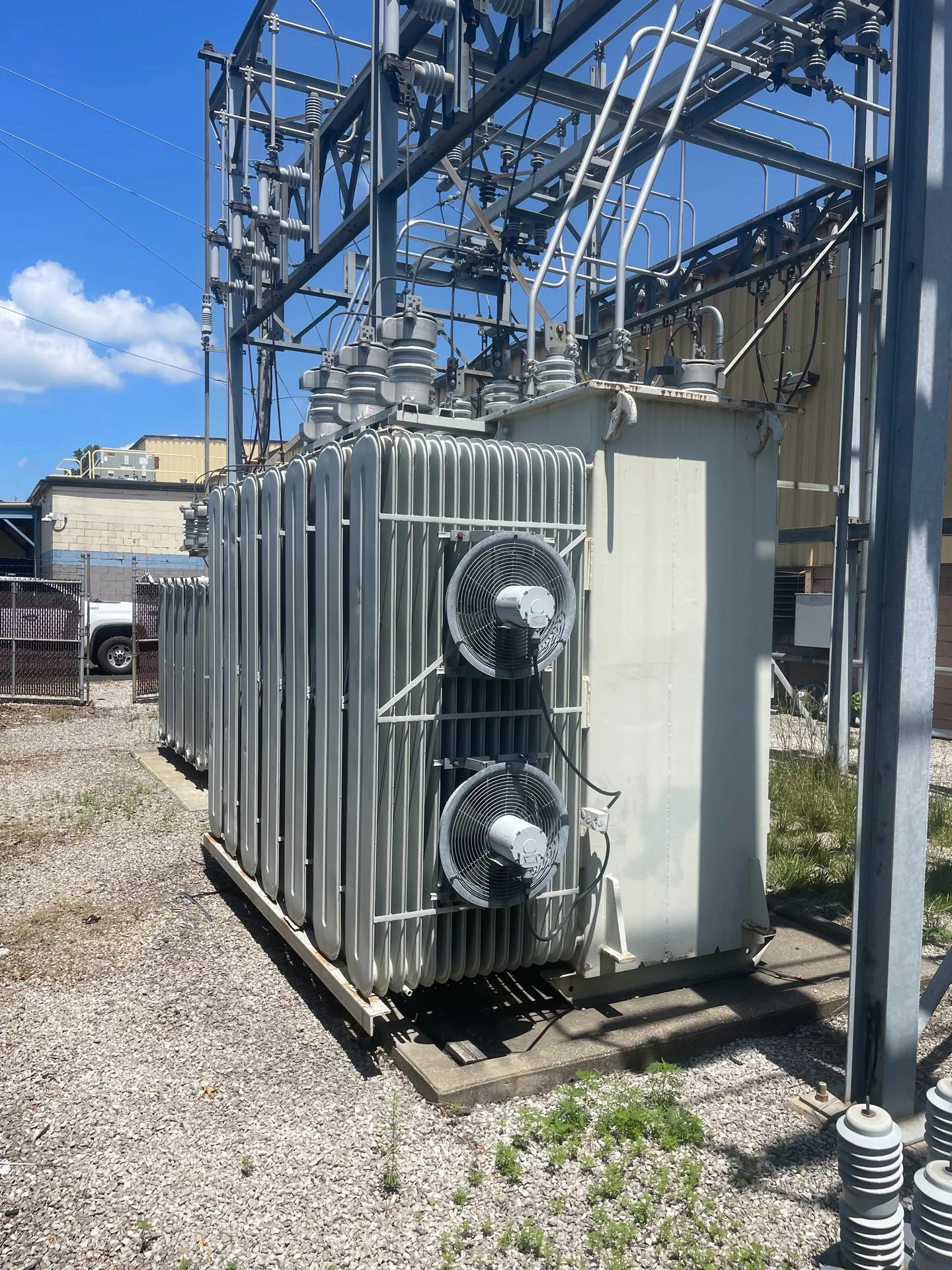
How to Sell Electrical Transformers in Missouri
If you need to sell new, used, or surplus electrical transformers in Missouri, thorough preparation makes the difference between a fast review and a stalled project. This statewide planning guide explains what serious buyers look for — nameplate and specification data, testing and ownership records, site access and rigging needs, and freight considerations for long-distance moves. We buy nationwide; this guide helps you collect the facts and plan with qualified contractors so buyers can assess value accurately.
Evaluation starts with facts
Share the manufacturer, rating, voltage, phase, condition, quantity, and location before discussing value or pickup.
Start with clear documentation
Documenting a transformer thoroughly is the first step toward a useful buyer review. The single most helpful item is a clear photo of the nameplate; it commonly lists manufacturer, serial number, kVA or MVA rating, primary and secondary voltages, phase, frequency, and design or insulation type. If the nameplate is missing, gather model numbers, photos of connection points, and any stickers or tags that identify the unit.
In addition to identification, assemble purchase invoices, maintenance logs, test reports (insulation resistance, turns ratio, power factor, or dissolved gas analysis for oil-filled units), and removal or de-energization records. Even partial records narrow uncertainty for a buyer and can materially affect interest and pricing. If documentation is incomplete, be explicit about gaps rather than guessing technical details.
- Required: nameplate photo (manufacturer, serial number, kVA, voltages, phase, frequency)
- Helpful: test/service records, maintenance history, purchase or ownership invoices
- Useful: date of manufacture or age estimate, quantity, and model numbers
Confirm equipment qualification and condition
Buyers evaluate a transformer by type and condition. Key technical attributes include kVA/MVA rating, primary and secondary voltages, single- or three-phase design, frequency (50/60 Hz), cooling or design type (dry-type, oil-filled, pad-mounted, distribution, power transformer), and physical condition. Clearly note evidence of oil leaks, corrosion, bushing damage, or altered nameplates—these issues change handling, testing, and eligibility for resale.
Testing records are important. Recent insulation and turns-ratio tests, and for oil-filled units, laboratory DGA or dielectric strength reports, help establish reuse potential. If you do not have tests, say so; responsible buyers may request third-party testing before finalizing an offer or require removal and testing by a qualified provider prior to purchase.
- Type matters: dry-type vs oil-filled, pad-mounted vs indoor distribution, step-up vs step-down
- Age and visible condition affect reuse vs salvage classification
- Testing reduces uncertainty; note what tests exist and their dates
Clarify ownership, quantity, and location
Confirm who holds title and gather ownership documents because buyers will need to confirm the right to sell. For multiple units, list quantities, whether they are co-located, and whether they were part of the same installation. Identify any lien, salvage, or environmental hold that could affect transfer. Being transparent about ownership and liens avoids delays later in the review and contracting process.
For location, provide a precise site address and a brief description of where the equipment sits on the property. Indoor transformers in utility rooms differ from yard-mounted or pad-mounted units in access and handling. If units are stacked, crated, or in storage, note that too. Buyers use location details to estimate rigging, route clearance, and local permit requirements.
- Provide proof of ownership or authorization to sell
- List exact quantities and whether units are grouped
- Describe the physical placement on site (indoor room, yard, pad-mounted)
Plan site access, rigging, and loading
Transformer removal, rigging, and loading require qualified contractors and any applicable permits. Describe site access: gate dimensions, driveway type, overhead obstructions, and whether cranes, forklifts, or specialized trailers can reach the unit. Note any interior constraints such as stairways, low ceilings, or narrow doors. These details determine whether standard pickup is possible or if special rigging and disassembly will be needed.
Prepare an access plan with a rigging contractor before buyer inspection when possible. Estimate weight and dimensions from the nameplate or manufacturer data; if unknown, indicate approximate size and provide photos from multiple angles. A realistic access assessment prevents last-minute surprises and helps buyers include rigging and labor costs in their evaluation.
- Describe access routes, clearances, and weight/dimension estimates
- Identify required equipment: crane, forklift, flatbed, trailer, or spreader bars
- State whether de-energization, lockout, or lifting permits have been completed by qualified personnel
Consider long-distance freight and removal timing
If the prospective buyer is out of state, freight becomes a significant factor in the offer. Large transformers often require custom crating, heavy-haul permits, escort vehicles, and route surveys. Provide the buyer with the delivery region you expect so they can estimate transport modes and costs. Buyers may structure offers net of freight or propose on-site removal and separate freight arrangements.
Timing is also important. Buyers’ interest and logistics windows change; if you are coordinating with shutdowns, demolition schedules, or storage constraints, share those dates upfront. Early communication allows buyers and contractors to align testing, removal, and shipping windows. Remember to allow time for third-party testing or hazardous-material handling if required for oil-filled units.
- Freight: estimate destination region, potential for oversize/overweight shipments
- Schedule: provide desired removal window and any hard deadlines
- Allow time for third-party testing, permitting, and rigging arrangements
Offers, alternatives, and next steps
Not every transformer will receive a purchase offer. After reviewing documentation, location, condition, and freight, a buyer may decline, make a conditional offer, or propose a price that reflects reuse, parts value, or scrap. Ask buyers how offers are structured—whether they are conditional on testing, site inspection, or removal logistics—so you can compare proposals fairly.
If selling directly is not feasible, alternatives include using an auction, hiring a broker to find other buyers, or engaging a licensed recycler or disposal service for units unsuitable for reuse. Each path has trade-offs in timing, documentation needs, and net recovery. Work with qualified electrical, rigging, and environmental professionals to complete disconnection, handling, and transport under applicable rules.
- Expect conditional offers when testing or access is incomplete
- Alternatives: auction, broker, recycler, or qualified disposal when needed
- Always use qualified professionals for de-energization, rigging, and environmental handling
Common questions
Practical answers before you call
Metropolitan service guides
Explore Missouri city guides
Review the city guide closest to the equipment location for local planning details, site-access considerations, and a direct path back to this Missouri service guide.
One clear next step