Sell Electrical Transformers in Las Vegas — Planning Guide for Sellers
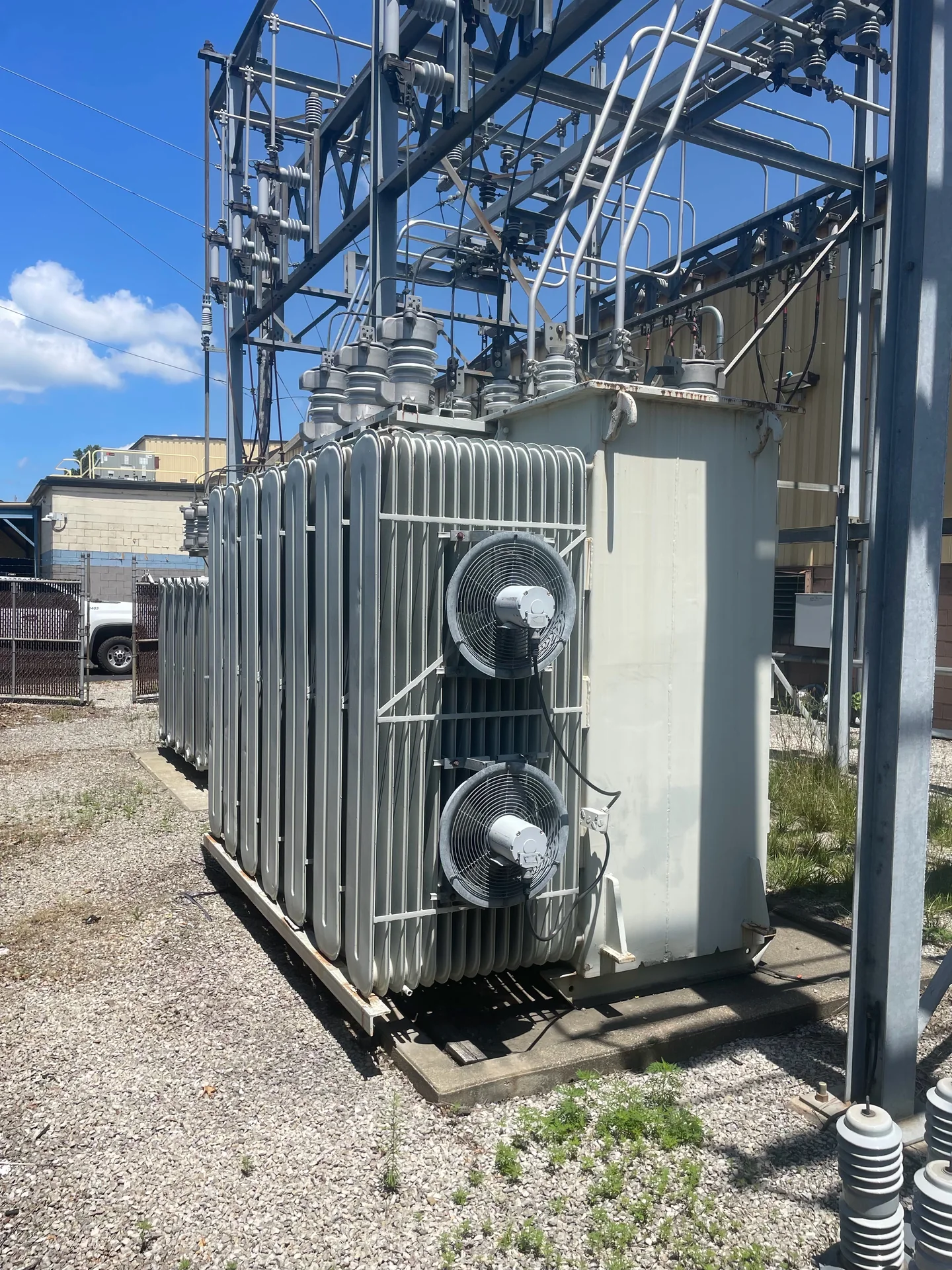
If you’re preparing to sell electrical transformers in Las Vegas, thoughtful planning speeds decisions and reduces surprises. This guide explains how to document equipment, identify site‑access constraints, prepare for rigging and loading conversations, compare direct-sale versus auction or recycling, and coordinate a transaction with a nationwide buyer. It highlights the specific technical and logistical information buyers typically need so you can get realistic feedback and move toward an outcome that fits your schedule and site conditions.
Evaluation starts with facts
Share the manufacturer, rating, voltage, phase, condition, quantity, and location before discussing value or pickup.
1. Collect the essential nameplate and specification data
Buyers evaluate transformers from documented facts. Start by photographing and recording nameplate data and any maker’s tags: manufacturer, serial number, kVA or MVA rating, primary and secondary voltages, phase (single or three‑phase), frequency (Hz), vector group or design type, cooling class, and weight if available. These items determine basic compatibility and market interest more than marketing descriptions alone.
Also note model year or build date if present, manufacture country or plant, and any identifying castings or plates. If the unit has been modified, summarize changes and where those details are recorded. Accurate, clear documentation reduces time to a viable offer and helps buyers scope rigging, transport, and testing needs.
- Nameplate: manufacturer, serial, kVA/MVA, voltages, phase, frequency
- Design type: oil‑filled, dry‑type, auto, isolation, padmount, substation
- Additional data: cooling class (ONAN, ONAF), vector group, weight
- Photos: nameplate closeups plus four elevations and interior where safe
2. Inspect condition and assemble service or test records
Condition and maintenance history strongly influence buyer interest. Gather available test reports, recent oil analyses, relay and bushing test results, and maintenance logs. Photograph any visible corrosion, leaks, damage from fire or flooding, and missing hardware. If the unit has been decommissioned, document how long it has been offline and any storage conditions.
If no formal records exist, create a clear, honest summary of observed condition and known history. Buyers will use these inputs to estimate refurbishment costs or to determine suitability for reuse versus salvage. Never perform electrical work yourself; recommend qualified technicians for any testing or inspections required.
- Typical records: insulation tests, turns ratio, oil dielectric tests
- Photos: closeups of bushings, conservator, radiators, nameplate
- Condition notes: leak history, fire/impact damage, recent repairs
- If records are missing, document what is unknown rather than guessing
3. Map site access, constraints, and on‑site services
Accurate site information helps buyers estimate rigging and trucking needs. Note where the transformer sits (substation pad, rooftop, indoor vault, industrial yard), available clearances, and any irregular access such as narrow alleys, overhead wires, or low bridges. Record gate widths, security procedures, weight limits on approach roads, and whether a crane or forklift is required.
Where possible, produce a simple site sketch and recent aerial or ground photos showing approach routes and staging areas. Buyers will also need to know if power must be disconnected by the owner’s utility or a qualified contractor before rigging. Do not attempt disconnection or rigging yourself—recommend licensed electricians and riggers for those tasks.
- Location type: indoor, outdoor, rooftop, padmount, substation
- Access limits: gate width, overhead clearances, road weight limits
- On‑site needs: crane, forklift, spreader bars, skid removal
- Security/timing: work window, permit needs, site escort or badges
4. Prepare for rigging and loading conversations
When discussing removal, use the documented weight and lifting points from the manufacturer if available. Share photos that clearly show those points and any existing lifting lugs or pad attachments. Buyers and their contractors will ask how the unit is secured, whether it’s bolted to a foundation, and what disassembly (bushing removal, conservator piping) might be required before lifting.
Be ready to discuss staging space for a crane and truck, ground slope and soil conditions, and whether the site will permit overnight staging. These factors affect cost and scheduling. Again, recommend that disconnection, de‑energization, and the physical lift be carried out only by qualified personnel following applicable codes and permits.
- Provide photos of lifting lugs, baseplate, and anchor bolts
- Identify required clearances for crane boom and trailer setup
- State whether bushings or accessories need removal before lift
- Confirm who will coordinate permits, traffic control, or escorts
5. Compare direct sale, auction, broker, and recycler options
Sellers typically choose between a direct sale to an equipment buyer, listing at auction, using a broker, or recycling as scrap. Direct sales can be faster when a buyer needs specific specs and is willing to coordinate removal, but they depend on demand for the exact unit. Auctions can reach many buyers but add fees and buyer uncertainty. Brokers can expand reach but charge commissions. Recycling may be necessary for units with extensive damage or contamination.
Gathering realistic offers requires the same documentation for each route. If the transformer has clean service records and common ratings, direct buyers and brokers may show interest. If condition or unusual specs reduce reuse potential, auction or recycling could be more practical. Be honest about ownership, title, and any environmental issues in all listings.
- Direct sale: potentially quicker, depends on buyer demand and fit
- Auction: broader exposure, variable final price and fees
- Broker: wider market reach, commission costs apply
- Recycler/scrap: option for badly damaged or contaminated units
6. Coordinating the transaction and logistics with a nationwide buyer
When working with a buyer outside the metro area, clarify responsibilities early: who arranges and pays for freight, who confirms permit and utility disconnect requirements, where and when title transfers, and what documents each party needs. Provide a complete inventory if selling multiple units and state whether any units are under lien or require owner authorization for removal.
Keep in mind that availability and purchase fit depend on the actual unit and project. A prospective buyer may decline if the transformer’s specs, condition, or site constraints do not match current demand. If an offer is not forthcoming, alternatives include seeking other buyers, listing at auction, engaging a broker, or arranging certified disposal through a qualified recycler.
- Clarify freight, rigging responsibility, and who secures permits
- Provide proof of ownership and any required decommissioning records
- Agree on timeline, staging area, and acceptance criteria in writing
- If no sale: consider auction, broker, or qualified recycling/disposal
Service-area context
Planning a sale in Nevada
This city guide is part of the broader Nevada service-area directory. Review statewide pickup and documentation considerations before arranging an equipment review.
Explore the Nevada transformer guideCommon questions
Practical answers before you call
One clear next step