Sell Electrical Transformers in Nevada — Planning Guide
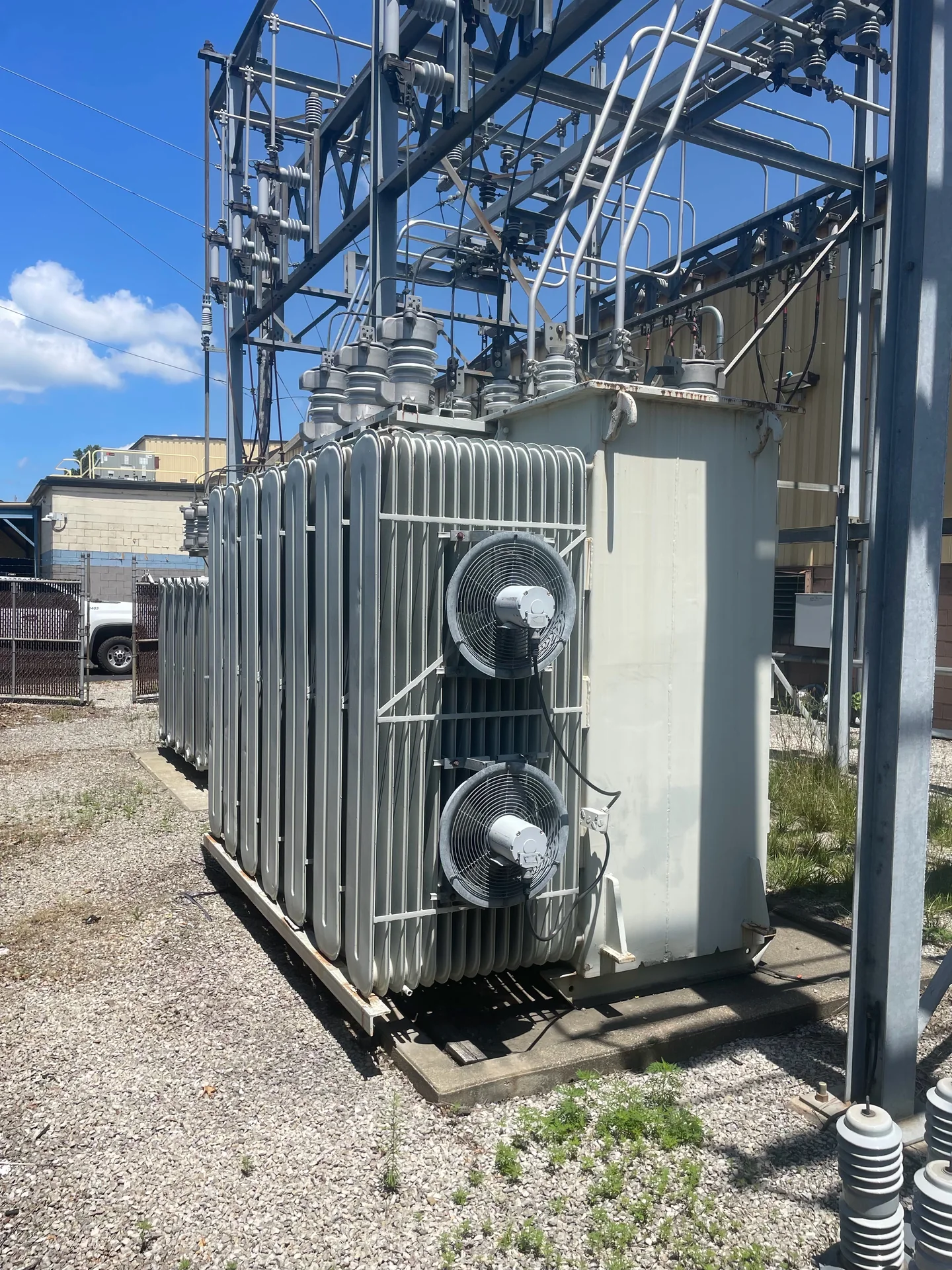
This guide helps electrical contractors, facility managers, utilities, manufacturers, demolition teams, and equipment resellers plan a sale of new, used, or surplus transformers anywhere in Nevada. It emphasizes the documentation buyers look for, how to qualify equipment by nameplate and condition, realistic site and rigging needs, long-distance freight issues, and typical timeline steps. The company referenced here operates as a nationwide buyer; this page explains what sellers should assemble and verify before requesting a price evaluation.
Evaluation starts with facts
Share the manufacturer, rating, voltage, phase, condition, quantity, and location before discussing value or pickup.
Start by assembling core documentation
Buyers and brokers review ownership and equipment records before issuing offers. Assemble paperwork that proves you have authority to sell and that describes each unit. Having clear, well-organized documentation speeds evaluation, reduces follow-up questions, and helps buyers estimate reuse value or recycling options. If you cannot produce certain records, be upfront; missing paperwork does not automatically prevent a sale, but it affects risk assessments and price guidance.
bullets
- Bill of sale, title, or transfer documents
- Asset inventory list with serial and tag numbers
- Site or plant purchase records if available
- Removal or decommissioning authorizations
- Permitting or environmental clearances where relevant
- Photos showing serial/nameplate, general condition, and installation context
Nameplate data and equipment qualification
Nameplate and manufacturer details determine many technical and commercial factors. Capture clear photos or transcribe information exactly as shown on the nameplate. Buyers use these data to confirm kVA or MVA rating, voltage, phase, frequency, design type (e.g., oil-filled, dry-type), cooling class, and manufacture year. Inaccurate or incomplete nameplate information slows evaluation and may require on-site inspection by qualified personnel to verify ratings.
bullets
- Manufacturer and model
- Serial number and manufacture date
- kVA or MVA rating
- Primary and secondary voltages
- Phase (single vs. three-phase) and frequency (50/60 Hz)
- Design type (dry, oil-filled, padmount, pole-mounted, power/ distribution)
Ownership, records, and legal considerations
Clarify ownership and any liens or encumbrances before negotiating a sale. Buyers typically ask for confirmation that the seller can transfer title and will provide the documentation required for transport or export. If the equipment is part of a larger project (facility closure, demolition, asset sale), identify stakeholders who must sign approvals. When legal or regulatory questions arise, consult your counsel or the parties responsible for asset disposition.
bullets
- Confirm whether assets are company-owned, leased, or financed
- Identify any outstanding liens or third-party claims
- Note any sale restrictions, export controls, or warranty transfers
- Keep copies of internal disposition approvals or board resolutions if applicable
Site access, rigging needs, and safe loading
Site logistics often determine whether a unit is economically practical to move. Provide buyers accurate descriptions of site access (road width, overhead clearances, gate restrictions), on-site crane capacity, and whether floors or structures limit heavy lifting. Buyers will factor in necessary rigging, temporary protection, and third-party lifting crews. Do not attempt energization, disconnection, testing, or rigging without qualified professionals and compliance with applicable codes and safety requirements.
bullets
- Site address and photos showing approach routes
- Clearances: overhead wires, door heights, and turning radii
- Information on available lifting equipment and ground bearing capacity
- Any restricted access windows or hours that affect mobilization
- Local permit needs or temporary traffic control requirements
Long-distance freight and transport considerations
Transporting transformers across long distances adds complexity and cost. Buyers will want to know dimensions, dry and wet weights, whether the unit contains residual fluids, and if special crating or axle permits are required. Provide skid or mounting details and whether bushings and other protrusions can be removed for safer shipping. For large power transformers, over-dimensional routing, pilot cars, and state permit coordination can extend lead times and cost estimates.
bullets
- Exact shipping dimensions and weights (crated and uncrated)
- Whether oil or other dielectric fluids are present and the need for certified fluid handling
- Removable components that reduce shipping profile
- Requirements for hazmat paperwork or placarding if fluids remain
- Preferred delivery windows and receiving capabilities at destination
Project timing and the typical sales process
A realistic timeline helps everyone plan: initial inquiry, documentation review, site survey (if needed), written offer, and scheduling removal and shipment. Responses vary depending on unit complexity, documentation completeness, and required inspections. Provide target dates for removal and any hard constraints—such as demolition schedules or facility shutdowns—so the buyer can assess feasibility. Remember that environmental clearance, permitting, and third-party contractors can add noticeable time to the schedule.
bullets
- Initial photo and document review often yields a preliminary estimate
- On-site inspections can be scheduled if early details are insufficient
- Written offer and acceptance precede logistics planning
- Coordinate timing with rigging crews, permits, and carrier availability
- Allow contingency time for unexpected issues uncovered during removal
Condition issues, testing, and alternatives if a buyer declines
Condition and service history strongly influence market interest. Test records (insulation, turns ratio, oil analyses) support reuse value; lacking records may reduce offers. Be transparent about corrosion, leaks, or previous repairs. If a commercial buyer chooses not to make an offer, alternatives include specialized brokers, equipment auction houses, scrap recyclers, or arranging disposal through certified recyclers. Each path carries different timelines, revenue expectations, and regulatory considerations.
bullets
- Provide available test reports: hipot, turns ratio, power factor, and oil analysis
- Document visible damage, leaks, or evidence of overheating
- If offering for scrap, identify PCB testing or other regulated contaminants
- Explore broker or auction options for rare or high-demand units
- Consider certified recycling for units not fit for reuse
Common questions
Practical answers before you call
Metropolitan service guides
Explore Nevada city guides
Review the city guide closest to the equipment location for local planning details, site-access considerations, and a direct path back to this Nevada service guide.
One clear next step