Sell Electrical Transformers in Los Angeles — Planning Guide
This guide helps owners and site teams in the Los Angeles area prepare transformers for evaluation and sale to a nationwide buyer. It explains what documentation buyers commonly need, how to identify site-access constraints, what to collect before rigging discussions, and how to weigh a direct sale versus auction, broker, or recycling. Availability and purchase fit always depend on the actual unit, condition, and project — not every transformer will receive an offer. For any energization, disconnection, rigging, fluid handling, testing, or transport, engage qualified professionals and follow applicable regulations.
Evaluation starts with facts
Share the manufacturer, rating, voltage, phase, condition, quantity, and location before discussing value or pickup.
Start with accurate equipment documentation
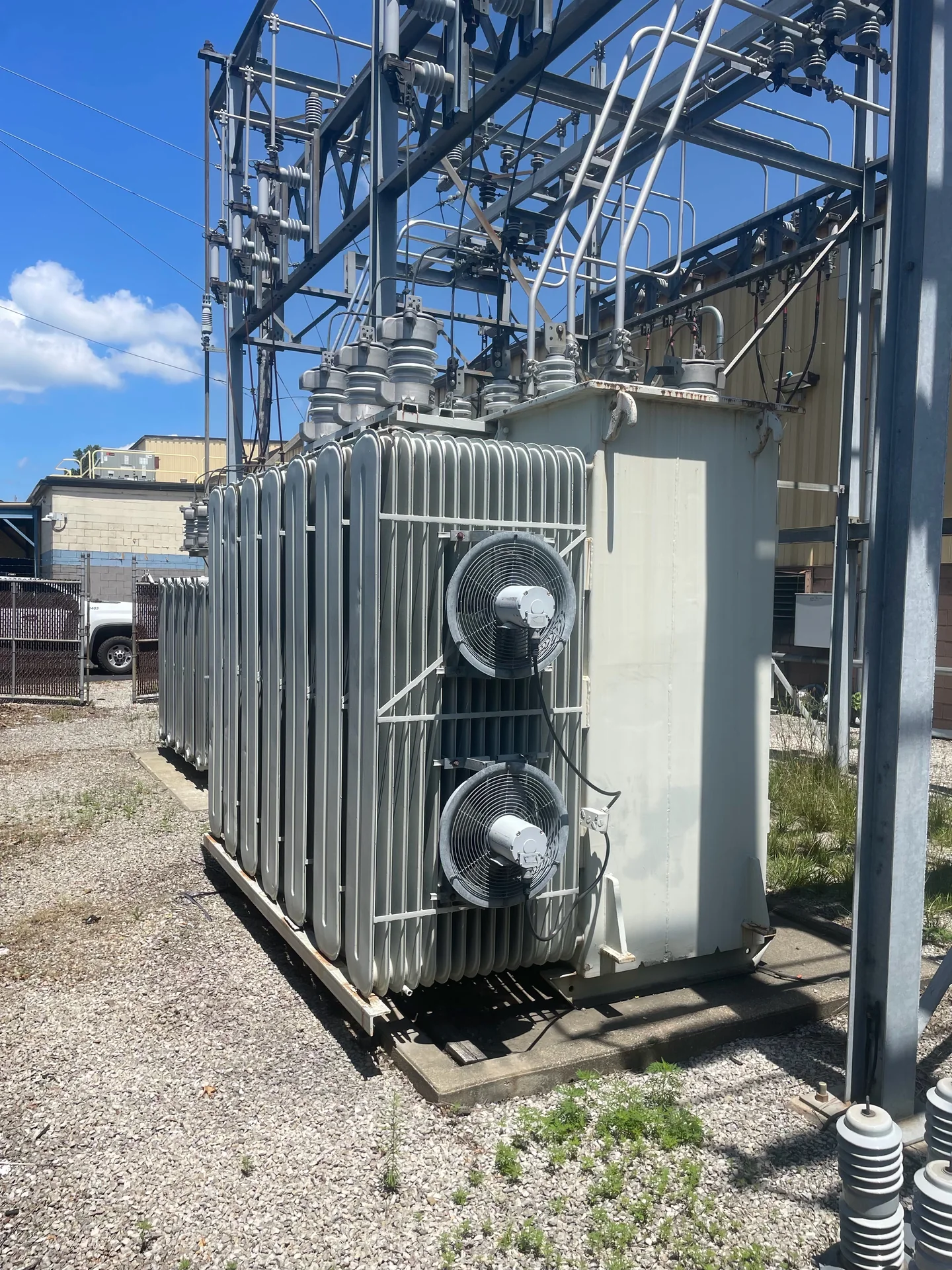
Buyers base interest and pricing primarily on nameplate data and physical condition. Photograph and record the nameplate details (manufacturer, serial number, kVA/MVA, primary and secondary voltage, phase, frequency, and design type). Note the transformer's cooling class, vector group, weight, and presence of accessories such as conservators, on-load tap changers, or bushings. Include recent service or test records and a clear description of any damage, corrosion, leaks, or missing components.
bullets
- Photograph nameplate close-up and full-unit views from multiple angles
- Record manufacturer, kVA/MVA, voltages, phase, frequency, and serial number
- List accessories, cooling method, and any test reports or service dates
- Note age estimates, ownership history, and whether fluids are present
Assess location and access constraints before outreach
Los Angeles sites vary from congested downtown footprints to port-adjacent yards and industrial plants. Early assessment of access reduces surprises. Measure gate widths, driveway angles, turning radii, overhead clearances, and distance from curb to unloading or staging areas. Urban streets, timed delivery restrictions, parking permits, and building security can affect truck and crane access. Coastal and industrial sites may also require special permits or notifications. Document any permits, staging areas, and on-site contact details before soliciting buyer interest.
bullets
- Gate/opening width, driveway slope, and turning radius
- Overhead obstructions (wires, signs, trees) and clearance heights
- Nearest practical truck routing, curbside staging, and parking limits
- Site security, insurance requirements, and permit needs
Prepare for rigging and loading conversations
Buyers and their freight partners will ask specific rigging questions to scope equipment, crane needs, and labor. Have the transformer's weight, lifting point locations, lifting lug condition, footprint, and center-of-gravity notes ready. Indicate whether the unit is still in place on foundations, pad-mounted, in a vault, or on a trailer. Share photos showing clearances and surrounding obstructions. Clarify who will supply site services such as crane, rigging crew, traffic control, and whether a qualified electrician will disconnect and de-energize the unit.
bullets
- Confirmed or estimated weight and lifting points
- Unit placement: pad, vault, trailer, inside building, rooftop
- Photos of required lift path and any confined spaces
- Who will perform electrical disconnects and fluid handling
Compare direct sale versus auction, broker, or recycler
Deciding how to sell depends on condition, quantity, timing, and regulatory constraints. Direct sale to a buyer who specializes in transformers may be quickest for units with useful ratings and clean documentation. Auctions can reach multiple buyers but add fees and schedule uncertainty. Brokers can market broadly but usually charge commissions. Recycling or scrap is appropriate when units are beyond reuse or regulatory remediation is required. Consider lead times, removal complexity, test records, and whether fluids or PCBs affect disposition.
bullets
- Direct sale: often faster if unit matches buyer demand and documentation is complete
- Auction: broader exposure, variable timing and fees
- Broker: wider market reach with commission costs
- Recycler/scrap: used when unit is not reusable or requires remediation
Coordinate the transaction with a nationwide buyer
When working with a buyer based outside the metro area, clear communication and paperwork streamline the process. Confirm what documentation the buyer requires to issue an offer: photos, nameplate data, test reports, and proof of ownership. Agree on who arranges freight, whether the buyer will provide a carrier quote or the seller will tender the load, and how transfer of ownership and payment will be handled. Establish a realistic timeline that allows for permits, disconnects, and scheduling cranes or carriers.
bullets
- Provide complete documentation and photos upfront to speed evaluation
- Clarify responsibility for rigging, freight booking, and permitting
- Agree on ownership transfer documents and acceptable proof of title
- Set milestone dates for disconnect, lift, pickup, and payment
Plan for compliance, safety, and contingencies
Transformers can present environmental, electrical, and weight-handling risks. Do not undertake energization, isolation, fluid removal, or physical disconnection without qualified personnel and permits. Keep test records, spill plans, and waste disposal contacts available in case fluids must be drained or PCB testing is necessary. Discuss contingency plans with potential buyers for discovery of hidden issues, longer-than-expected rigging times, or regulatory holds. Clear documentation and conservative timelines reduce the chance of last-minute delays.
bullets
- Engage qualified electricians, riggers, and environmental contractors as needed
- Have spill containment and disposal plans if fluids are present
- Arrange insurance and traffic control per site and carrier requirements
- Document contingency steps for unexpected findings or delays
Service-area context
Planning a sale in California
This city guide is part of the broader California service-area directory. Review statewide pickup and documentation considerations before arranging an equipment review.
Explore the California transformer guideCommon questions
Practical answers before you call
One clear next step