Sell Electrical Transformers in California — Planning Guide
This page helps owners, contractors, facility managers, and equipment resellers plan the sale of new, used, or surplus electrical transformers in California. It focuses on facts buyers typically need before making an offer: nameplate and specification data, test and service records, ownership history, site access for lifting and loading, long-distance freight considerations, and realistic project timing. We operate as a nationwide buyer; this guide does not imply a local branch or local services. Use it to prepare clear information that speeds evaluation and avoids surprises.
Evaluation starts with facts
Share the manufacturer, rating, voltage, phase, condition, quantity, and location before discussing value or pickup.
Document the unit: nameplate and specification data
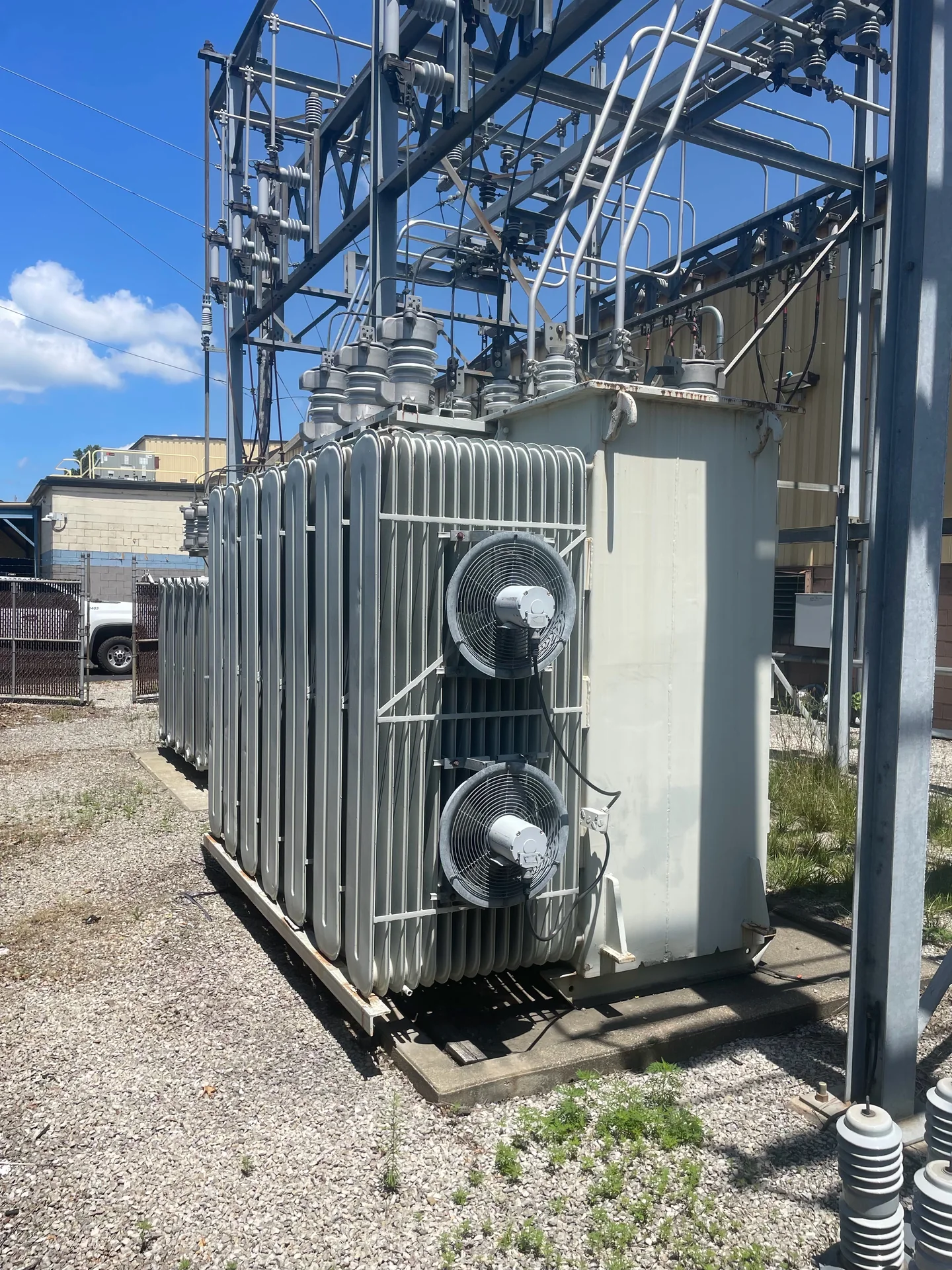
Buyers evaluate transformers primarily by the information stamped on the nameplate and supporting documentation. Key items include manufacturer, serial number, kVA or MVA rating, primary and secondary voltages, phase (single- or three-phase), frequency (50/60 Hz), cooling/design type (e.g., ONAN, ONAF, dry-type), and vector group or phase-shift details. Having this data clearly photographed or transcribed is the fastest way to get a preliminary valuation.
Beyond the nameplate, attach any available datasheets, substation one-lines, or original purchase invoices. These documents confirm model variants and options that affect reuse, resale, or recycling value.
- Manufacturer and serial number
- kVA/MVA rating and voltage(s)
- Phase and frequency
- Design/cooling type and vector group
- Datasheets, purchase invoices, and one-line diagrams
Condition and service history: tests the buyer will ask about
Condition and maintenance history strongly influence buyer interest. Commonly requested items are age or install date, visual condition, core and winding condition notes, and the existence of service or test records such as turns ratio, insulation resistance (megger), power-factor or Doble tests, and winding resistance measurements. Regular oil test reports for liquid-filled units (dissolved gases, dielectric strength) are especially important.
If formal test reports are not available, document recent repairs, oil handling events, leaks, or abnormal operating history. Be honest about known defects; buyers will include condition and required remediation in their evaluation.
- Age, install/remanufacture dates
- DGA and oil test reports for liquid-filled units
- Turns-ratio, insulation resistance, and power-factor tests
- Repair and refurbishment records
Ownership, quantity, and title documentation
Clear ownership and quantity information speeds any sale process. Provide proof of ownership or bill of sale, serial-numbered equipment lists, and any lien or encumbrance details you know about. For multiple units, list quantities by serial number, nameplate data, and condition so buyers can price lot versus single-unit scenarios.
If ownership is unclear, or units were acquired as part of a larger asset purchase, explain the chain of custody and whether any parties must sign off. Unresolved title issues can delay offers or require escrow or broker involvement.
- Proof of ownership or purchase invoices
- Serial-numbered inventory lists for multiple units
- Notes on liens, leases, or encumbrances
Site access, rigging, and loading considerations
Physical access at the pickup location is a common deal breaker. Describe gate restrictions, overhead clearances, door dimensions, roadway weight limits, surface conditions, and any required traffic control. Specify whether the transformer is in a substation yard, inside a building, on a concrete pad, or on a trailer. Photographs from several angles and a short video of the access route are very helpful.
Do not attempt energization, disconnection, or rigging without qualified personnel. Buyers typically expect sellers to coordinate or hire certified electricians, riggers, and heavy-haul contractors per applicable safety and regulatory requirements; clarify who will arrange or pay for those services when you request a quote.
- Photos of access routes and clearances
- Loading area surface and weight limits
- Whether disconnection and lockout will be provided by seller
- Required permits, traffic control, or escorts
Long-distance freight and logistics
Transport logistics influence net proceeds for large or heavy units. Buyers evaluate crating, skidding, and the need for specialized trailers, cranes, or permits for oversized loads. Provide precise dimensions, gross vehicle weight (if available), and whether the unit contains residual oil or other hazardous materials that affect handling and carrier choice.
Discuss whether you expect the buyer to arrange pickup and carrier selection or whether you will obtain estimates. Long-distance freight routes, seasonal weather, and carrier capacity can affect lead times, so be ready for variable transit arrangements.
- Dimensions, dry and gross weights
- Whether oil or other regulated fluids remain
- Preferred pickup windows and flexibility
- Carrier needs: crane capacity, special permits
Offers, alternatives, and next steps
Not every transformer will receive an offer from every buyer. Market demand depends on specification match, condition, quantity, and logistics. When an outright purchase isn’t practical, reasonable alternatives include selling through an industrial auction, working with a broker who specializes in electrical equipment, recycling for scrap value, or arranging qualified disposal. Each path has pros and cons depending on timing, documentation, and environmental handling needs.
When contacting a nationwide buyer, expect an initial review based on your submitted documentation and photos, followed by requests for additional tests or site details. Be explicit about your project timeline and any firm deadlines; buyers will weigh those against logistics and their own demand.
- Possible outcomes: direct purchase, auction, brokered sale, recycler, or qualified disposal
- Be explicit about deadlines and flexibility
- Expect requests for additional tests or site access after initial review
Common questions
Practical answers before you call
Metropolitan service guides
Explore California city guides
Review the city guide closest to the equipment location for local planning details, site-access considerations, and a direct path back to this California service guide.
One clear next step