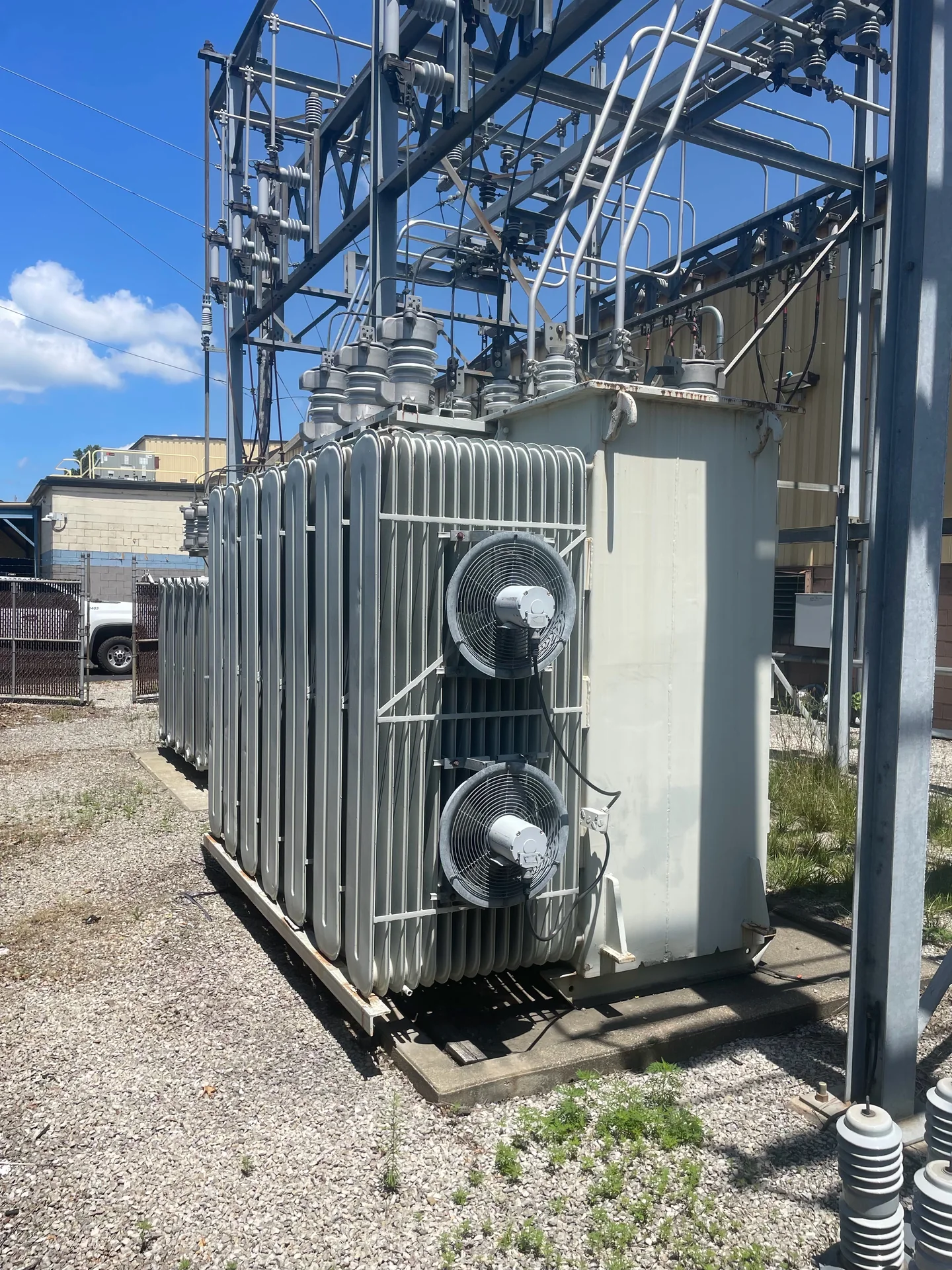
Sell Electrical Transformers in Memphis
If you’re preparing to sell a new, used, or surplus electrical transformer in the Memphis metro, good documentation and realistic site planning shorten evaluation and reduce surprises. This guide walks through the practical steps sellers should take: capture nameplate and test data, summarize condition and ownership, identify site and rigging constraints, weigh direct-sale versus auction or recycling, and coordinate schedules with a nationwide buyer. Availability and purchase fit always depend on the actual unit and project; not every transformer will receive an offer.
Evaluation starts with facts
Share the manufacturer, rating, voltage, phase, condition, quantity, and location before discussing value or pickup.
1. Document the nameplate and technical identifiers first
Begin by photographing the nameplate and transcribing every field exactly as shown. Key items buyers will use for compatibility and valuation include manufacturer, serial number, kVA or MVA rating, primary and secondary voltages, phase (single or three‑phase), frequency, vector group or winding configuration, cooling/design class, tap changer type and year of manufacture. If the plate is missing or illegible, note stamped tags, packing lists, or associated documentation instead—accurate identifiers speed remote screening.
bullets
- Manufacturer and serial number
- kVA / MVA rating, primary & secondary voltages
- Phase, frequency, vector group or winding configuration
- Cooling class, tap changers, and year of manufacture
- Any factory or field test reports linked to the unit
2. Summarize condition, quantity, and service history
Buyers combine age, test history, and visible condition to decide whether inspection or offer is warranted. Gather recent test records (dissolved gas analysis, oil tests, turns‑ratio, insulation resistance), maintenance logs, and repair invoices. Describe visible issues such as corrosion, oil stains, damaged bushings, missing hardware, or altered nameplates. State how many identical units exist, current ownership or bill‑of‑sale status, and how the units have been stored—indoor, outdoor, crated, or stacked—so buyers can estimate refurbishment or reuse potential.
bullets
- List recent tests and dates (DGA, oil, turns‑ratio)
- Note apparent exterior damage and missing accessories
- Record prior repairs, modifications, and ownership proof
- Specify quantity and storage conditions
3. Describe site location and access constraints clearly
A concise site-access package makes early logistics decisions possible. Take photos of the approach route from public roads to the load point, showing drive width, gate openings, overhead obstructions, and turning space. Note pavement type and any posted weight limits, whether the unit is inside a fenced substation, on a rooftop, inside a warehouse aisle, or on a pad with limited maneuvering room. For dense Memphis urban sites, indicate curbside options, nearby staging areas, and whether traffic control or street permits will be required.
bullets
- Approach photos from public road to load point
- Gate dimensions, overhead clearance, and turning radius
- Pavement type and any posted or likely weight restrictions
- Location context: rooftop, fenced yard, indoor aisle, or pad
4. Prepare for rigging and loading conversations
Provide rigging‑relevant details to speed quotes for cranes, trailers, and labor. Estimate dry and filled weights if known, identify certified lifting points or pads, and describe the base or skid condition. Confirm whether bushings and cables can remain installed or must be removed, and whether the seller or buyer will arrange de‑energization, fluid drains, or certified rigging contractors. Do not attempt electrical disconnection, fluid handling, testing, or rigging unless qualified personnel perform those tasks under applicable rules; simply record who will perform each service.
bullets
- Estimated dry/filled weight, if available
- Location and condition of lifting lugs, pads, or skids
- Whether primary/secondary connections remain in place
- Who will de‑energize, drain fluids, and provide rigging
5. Compare direct sale, auction, brokerage, and recycling
Choose the sales path that fits the unit condition and your timeline. A direct sale to a nationwide buyer can be efficient for reusable units with full records and straightforward access. Auctions broaden exposure but add fees and variable timing. Brokers can package lots and market to niche buyers for a commission. For heavily damaged units or those with confirmed contamination, responsible recyclers or certified disposal services may be required. Be realistic: buyer demand varies by transformer type, voltage class, age, and market conditions.
bullets
- Direct sale: often quicker with complete documentation and access
- Auction: larger audience, fees, and less price control
- Broker: helpful for multi‑unit lots, with commission costs
- Recycler/disposal: necessary for damaged or contaminated units
6. Coordinate documentation, timelines, and pickup logistics
After initial interest, provide full documentation and agree responsibilities before scheduling. Buyers commonly request nameplate photos, test reports, proof of ownership, and detailed site photos. Confirm who obtains permits, arranges traffic control, performs de‑energization, and secures rigging and freight. Agree on realistic lead times for specialized trailers or cranes and allow contingency for inspections, weather, and permit delays. Remember that availability and purchase fit depend on the unit and project details; final offers often require inspection or additional due diligence.
bullets
- Supply digital nameplate photos and test/service records upfront
- Clarify who secures permits, traffic control, and de‑energization
- Agree on pickup windows, payment terms, and contingency time
- Ask buyers for written pickup and payment expectations before scheduling
Service-area context
Planning a sale in Tennessee
This city guide is part of the broader Tennessee service-area directory. Review statewide pickup and documentation considerations before arranging an equipment review.
Explore the Tennessee transformer guideCommon questions
Practical answers before you call
One clear next step