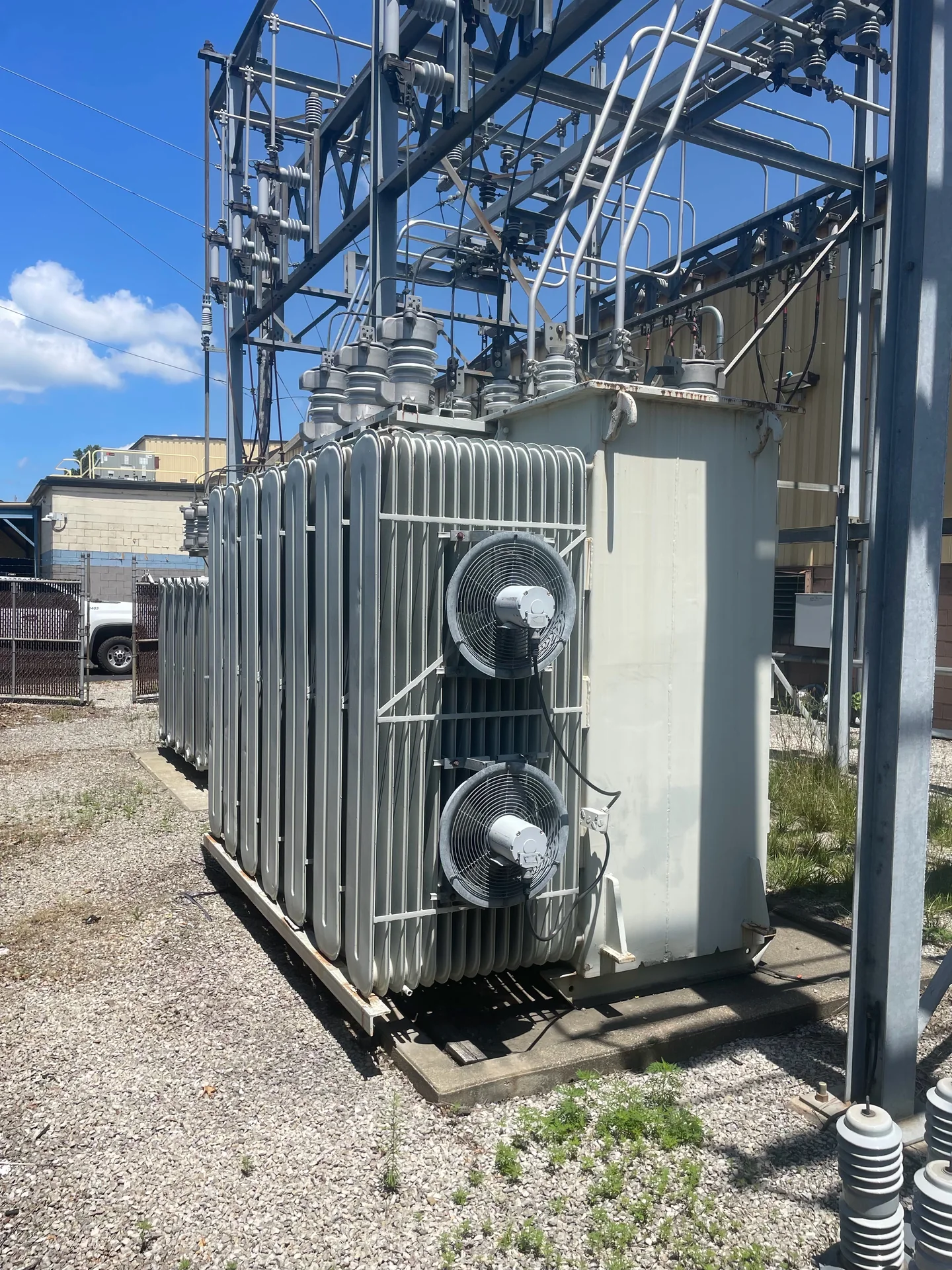
Sell Electrical Transformers in Tennessee — Planning Guide
This guide helps facility managers, electrical contractors, utilities, manufacturers, demolition teams, and equipment resellers plan a sale of new, used, or surplus transformers anywhere in Tennessee. It explains what buyers commonly need to evaluate value and logistics so you can assemble documentation, check equipment condition, and anticipate site and shipping requirements. We are a nationwide purchaser; this page focuses on planning and preparation rather than an immediate offer. Always use qualified professionals for disconnection, testing, rigging, fluid handling, and transport.
Evaluation starts with facts
Share the manufacturer, rating, voltage, phase, condition, quantity, and location before discussing value or pickup.
Start by assembling ownership and disposition documentation
Before you seek buyers, gather proof of ownership and disposition permissions. Commonly requested items include purchase invoices, bills of sale, serial numbers, asset tags, and certificates proving your authority to sell or remove equipment from the site. If equipment belonged to a utility or a former tenant, provide contact information for the releasing party and any contract language that clarifies title transfer. Clear ownership and paperwork speed evaluation and reduce legal or environmental uncertainty for buyers.
bullets
- Purchase invoices or asset records showing original acquisition
- Bills of sale, surplus authorization, or landlord/owner release
- Serial numbers, model numbers, and photos of nameplate data
- Environmental or fuel/PCB records if available
- Quantity lists and site location for each unit
Document the equipment: what buyers need to see
Accurate nameplate information and a concise equipment inventory are the backbone of any purchase inquiry. Buyers will look at manufacturer, kVA or MVA rating, primary and secondary voltages, phase (single- or three-phase), frequency (50/60 Hz), vector group or design type, and approximate age. Note any design details such as padmount, pole-mounted, substation, or dry-type. Include recent test or service records when available, and be honest about missing or uncertain data so buyers can plan an inspection.
bullets
- Photograph and transcribe nameplate data for each unit
- Record kVA/MVA, voltages, phase, and frequency
- List manufacture date or estimated age and manufacturer
- Attach any insulation tests, turns ratio tests, or maintenance logs
- Note modifications, repairs, or nameplate discrepancies
Assess condition and testing records
Condition is a major factor in whether a buyer will pursue an offer and at what price. Describe visible corrosion, oil leaks, damaged bushings, or missing components. If you have dielectric tests, dissolved gas analysis (DGA), turns-ratio tests, or load history, include those reports. If testing has not been done, say so. Buyers may request on-site inspection or independent testing; plan for access and a suitable timeline for those activities. Avoid providing technical advice — recommend qualified test and maintenance professionals.
bullets
- Summarize visible external condition and internal access status
- Provide any available DGA, insulation resistance, or turns-ratio tests
- Note past failures, repairs, or major component replacements
- Flag units with suspected contamination, hazardous fluids, or unknown histories
Plan site access, rigging, and loading logistics
Physical access and lifting capability are decisive for whether a buyer can remove a transformer and what handling costs will be. Provide clear details about site layout, gate and road widths, surface type, overhead obstructions, and distance from public roads. Indicate if a crane, forklift, trailer, or specialized rigging will be required and whether on-site lifting equipment is available. Buyers will coordinate with qualified rigging and transport contractors; supplying access photos and a short logistical description reduces on-site surprises.
bullets
- Provide photos of access routes and the transformer’s installed position
- List nearest public road, turn radius, and overhead clearances
- Identify on-site lifting equipment or need for external crane/rigging
- State any required permits, traffic control, or site safety procedures
Consider freight, long-distance transport, and packaging
Long-distance sales depend on safe, economical freight solutions. Buyers evaluate weight, dimensions, whether units are dry, oil-filled, or contain other hazardous materials, and the preferred transport method: flatbed, lowboy, enclosed trailer, or container. If oil or other fluids are present, note who will arrange draining and hazardous-material handling; these tasks must follow applicable regulations and be performed by qualified contractors. Accurate weights and dimensions, and any special crating needs, help buyers estimate freight and insurance costs.
bullets
- Record dimensions, gross weight, and skid or pad details
- Indicate fluid status: drained, contaminated, or unknown
- Note any special packing, skidding, or crating preferences
- Be realistic about extended transit times and insurance needs
Timing, quantities, demand, and realistic expectations
Be clear about your timeline and how many units you have. Single-unit sales, lot sales, and repeat surplus can attract different buyers and pricing. Market demand fluctuates; disclose whether you need removal by a fixed date, are open to longer lead times, or can stage removals. Understand that not every transformer will receive an offer: factors such as age, missing records, repair history, or difficult access may limit buyers. When direct sale is not viable, alternatives include auctions, specialized brokers, scrap recyclers, or qualified disposal contractors.
bullets
- State required removal or sale dates and any staging flexibility
- List quantities and whether units are sold individually or in lots
- Be prepared to consider auctions, brokers, or recyclers if no offers
- Keep safety, permitting, and environmental timelines in mind
Prepare for inspection and next steps checklist
Before a buyer schedules an on-site inspection, assemble a concise packet: nameplate photos, equipment inventory, ownership documents, test reports, access photos, and a contact for scheduling. Designate a site point of contact who can escort inspectors and confirm safety and access conditions. Expect buyers to ask targeted questions about service history and on-site constraints. After inspection, some buyers will issue conditional offers that account for removal cost, testing outcomes, and freight — be ready to evaluate those contingencies and choose the path that meets your operational and timing needs.
bullets
- Create a single PDF or folder with nameplates, photos, and records
- Provide a contact and windows of time for inspections or rigging crews
- Confirm any required site permits or temporary traffic controls
- Understand offer contingencies for removal, testing, and freight
Common questions
Practical answers before you call
Metropolitan service guides
Explore Tennessee city guides
Review the city guide closest to the equipment location for local planning details, site-access considerations, and a direct path back to this Tennessee service guide.
One clear next step