Sell Electrical Transformers in New York City — Planning Guide
This page helps electrical contractors, facility managers, utilities, manufacturers, demolition teams, and equipment resellers who are preparing to sell new, used, or surplus transformers in the New York City metro. It focuses on practical planning steps: documenting the unit, identifying site-access constraints, preparing for rigging and loading conversations, weighing direct-sale vs. other options, and coordinating the handoff with a nationwide buyer. Availability and any purchase offer depend on the specific unit and project details.
Evaluation starts with facts
Share the manufacturer, rating, voltage, phase, condition, quantity, and location before discussing value or pickup.
1) Document the transformer clearly
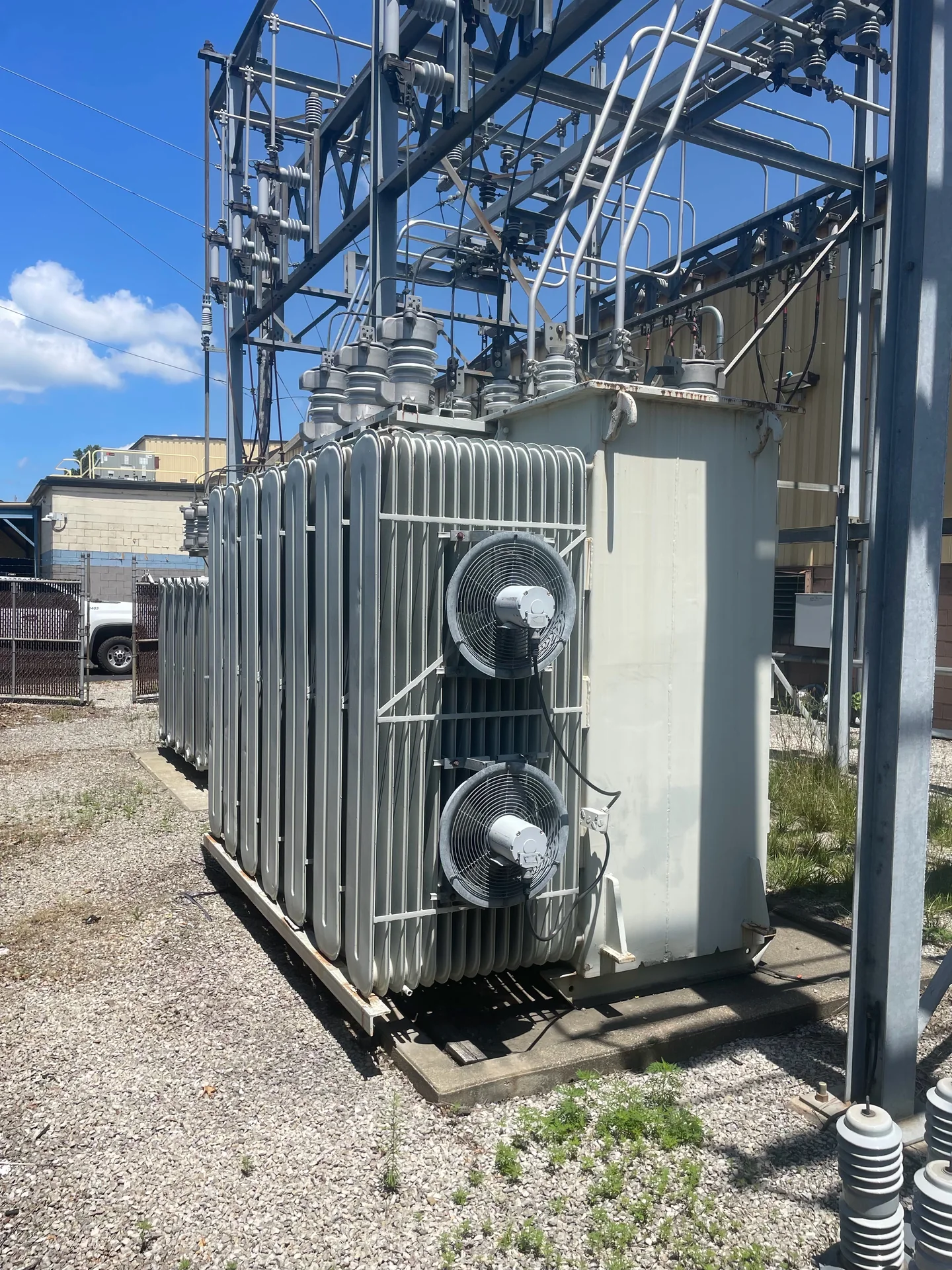
Before you solicit offers, collect the unit’s nameplate data and readable photos. Critical fields include manufacturer, model, serial number, kVA or MVA rating, primary and secondary voltages, phase, frequency, insulation/design type (oil-immersed vs. dry), and cooling class. Note the tank and core construction, tap-changer type, and any visible nameplate or certification plates.
Record condition and service history: age or manufacture date, recent tests or maintenance, known faults, oil test results if available, and any repair or rewind records. If the unit contains fluids, document known fluid types and whether any PCB testing has been performed. Also list quantity of similar units, ownership paperwork, and whether the unit is energized or isolated.
- Photos: full unit profile, nameplate close-up, lift points/base, and surrounding access paths
- Data to note: kVA/MVA, voltages, phase, frequency, serial number, manufacturer
- Service records: test reports, last maintenance date, oil analysis (if applicable)
- Regulatory flags: PCB history, unusual markings, or permanent attachments
2) Assess site access and urban constraints
Urban sites in New York City typically present parking limits, narrow streets, curb-loading restrictions, overhead utility lines, and short staging windows. Record street widths, any low bridges or underpasses on likely truck routes, load-bearing limits for driveways or bridge approaches, and location relative to building entrances or service yards. If the unit is inside a building, note floor access, door widths, hallways, and elevator capacity.
Identify permit needs early: municipal curbside loading permits, street closures, or special traffic control. Confirm property ownership and any third-party easements or tenant restrictions. Because local rules and permitting requirements vary, factor in lead time for applications and possible scheduled operating hours for heavy equipment in densely populated areas.
- Access facts to collect: curbside availability, truck turning radius, overhead clearance
- Site specifics: indoor vs. outdoor, floor/elevator capacity, stair removal needs
- Administrative: required permits, preferred removal windows, site contact and credentials
3) Prepare for rigging and loading conversations
When you discuss removal with rigging contractors or buyers, provide lifting data and photographs showing lift points, baseplates, pad eyes, and anchor bolts. Buyers and riggers will ask about estimated weight and center of gravity, mounting arrangements, and whether fluids will be drained before lift. Do not attempt to lift, disconnect, drain, or test equipment yourself unless you are a qualified professional—such work should be performed under applicable codes and by credentialed teams.
Share any lifting drawings, manufacturer documentation, and recent inspection reports if available. This enables realistic quotes for rigging, crane placement, truck sizes, and required permits. Be prepared to discuss staging space for a crane or loading trailer, night vs. daytime work windows, and noise or traffic restrictions that could affect scheduling.
- Photos to share: top, sides, underside, lift points, surrounding clearances
- Info to provide: estimated weight, center of gravity, mounting method, fluid status
- Documents helpful for riggers: lifting drawings, previous lift plans, foundation drawings
4) Compare sale routes: direct buyer, auction, broker, or recycler
A direct sale to a nationwide buyer can simplify logistics if the buyer has experience handling removal and transport, but offers vary by fit between the unit and current demand. Auctions can reach a broader set of buyers and may move an item quickly, though sale price and timing are less certain. Brokers may help package multiple units for a market-specific buyer but usually add transaction fees. Recycling or scrap processors are appropriate when units are nonfunctional, contaminated, or have limited resale value.
Consider practical trade-offs: a higher net price may require the seller to arrange and pay for de-energization and transport; conversely, some buyers may quote net amounts that reflect their anticipated lifting and freight costs. Environmental concerns, like PCBs or oil handling, can reduce market options and affect which route is practical.
- Direct sale: potentially fewer steps, depends on buyer demand and fit
- Auction: wider bidder pool, variable price and schedule
- Broker: consolidates sales, adds fees; useful for multiple-unit lots
- Recycler/scrap: suitable for nonrepairable or contaminated units
5) Coordinate the transaction with a nationwide buyer
A clear coordination plan reduces surprises. Typical steps include initial data submission (photos and nameplate), written quote or bid, scheduling of site inspection if needed, execution of a purchase agreement or bill of sale, payment terms, and scheduling of removal. Discuss who will arrange de-energization and disconnects, who provides rigging and freight, and what insurance each party will carry during removal and transport.
Buyers often request final on-site verification or third-party inspections to confirm condition and lifting feasibility. Agree on responsibilities for permits, traffic control, and environmental handling before a removal date is set. Always ensure energization, electrical disconnection, testing, rigging, fluid handling, and transport are performed by qualified parties and comply with applicable regulations.
- Key coordination items: written quote, bill of sale, schedule, permits, insurance
- Clarify responsibilities: de-energization, rigging, freight, disposal of residual materials
- Expect: possible site inspection, additional information requests, and contingency planning
6) Price signals, demand factors, and next steps
Value and buyer interest are shaped by observable technical factors: manufacturer and brand reputation, kVA/MVA size, voltage classes, phase and frequency, design type, age, condition, and presence of recent test records. Quantity matters—multiple similar units attract different buyers than a one-off asset. Location and access influence freight costs and scheduling, which are deducted from net offers. Environmental flags (PCBs, leaks) materially affect available options.
Next steps: assemble your documentation packet, capture the suggested photos, and prepare a concise site-access summary for prospective buyers. Request written quotes that specify what the buyer will and will not handle. If an offer is not suitable, consider auction, broker, or qualified recycling options. Remember that availability and any purchase offer depend on the actual unit, its condition, and project logistics.
- Main value drivers: kVA/MVA, voltages, manufacturer, age, test records, condition
- Logistics drivers: site access, quantity, timeline, freight distance, permits
- If an offer doesn’t fit: consider auction listing, brokered sale, or licensed recycler
Service-area context
Planning a sale in New York
This city guide is part of the broader New York service-area directory. Review statewide pickup and documentation considerations before arranging an equipment review.
Explore the New York transformer guideCommon questions
Practical answers before you call
One clear next step