Sell Electrical Transformers in New York — Planning Guide
This practical guide is for equipment owners, contractors, facility managers, and decommissioning teams in New York preparing to sell new, used, or surplus electrical transformers. It outlines the documentation buyers commonly require, how technical specifications and condition affect interest, what to document about site access, and what to expect for rigging, loading, and long-distance freight. We operate as a nationwide buyer and evaluate assets case-by-case; this guide helps you gather the facts buyers will need to assess feasibility and plan next steps with qualified contractors.
Evaluation starts with facts
Share the manufacturer, rating, voltage, phase, condition, quantity, and location before discussing value or pickup.
Collect ownership records and nameplate details first
Before you seek buyer interest, assemble documentation that proves ownership and captures the transformer’s technical identity. Key items are purchase invoices, serial numbers, asset tags, and any lease or lien records. The nameplate provides the most important technical data: manufacturer, model, kVA or MVA rating, primary and secondary voltages, phase (single- or three-phase), frequency, and design type (oil-filled, dry-type, pad-mounted, etc.). Clear, legible photos of the nameplate speed initial evaluation and reduce questions that delay offers.
bullets
- Invoice or title documentation and any lien/lease information
- High-resolution photos of the nameplate and unit from multiple angles
- Serial number, model, and any asset tag identifiers
- Available test or maintenance reports to support condition claims
Describe technical specs and known condition issues
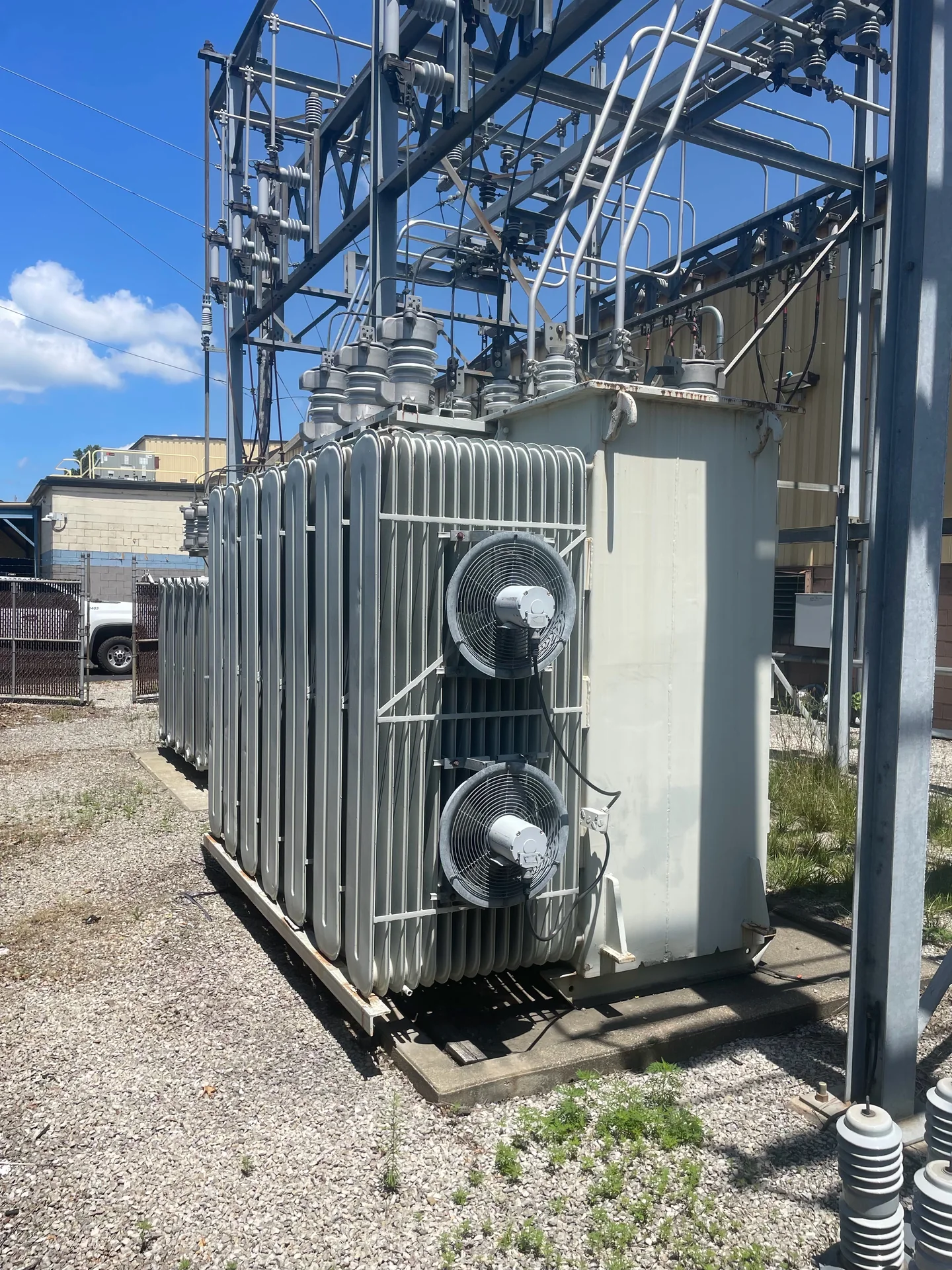
Buyers base interest on specifications and condition. Provide kVA/MVA, vector/group configuration (delta/wye), impedance/tap-changer details, cooling class, and the unit’s age. Note visible problems such as oil leaks, corrosion, dents, missing hardware, or evidence of past repairs. If you have dielectric tests, turns-ratio, insulation resistance, or DGA reports for oil-filled units, include them. Transparent condition reporting helps buyers determine whether a unit is reusable, needs refurbishment, or is likely to be directed toward recycling.
bullets
- Essential specs: kVA/MVA, voltages, phase, frequency, manufacturer
- Design details that affect resale: tap changers, cooling, vector group
- Condition flags: leaks, contamination, damaged bushings, structural issues
- Any recent electrical test results or maintenance records
Document site location and access constraints
Logistics often determine whether a sale is practical. Describe the unit’s placement (indoor, rooftop, pad-mounted, vault, substation), building level, and proximity to overhead lines. Provide approach photos showing gate widths, driveway turns, curb or sidewalk constraints, and nearby poles or low bridges. Note weight-restricted roads or bridges and any security, permit, or utility coordination that will be required. Early disclosure of access limitations lets buyers and rigging contractors provide realistic removal plans and cost estimates.
bullets
- Unit location: indoor, rooftop, pad-mounted, vault, or substation
- Photos of access routes, gates, and clearances
- Any known route restrictions, weight limits, or permit needs
- Whether utility coordination or site security clearances are required
Plan for rigging, loading, and environmental handling
Removing a transformer typically requires certified riggers and lifting equipment sized to gross weight and the unit’s center of gravity. For oil-filled transformers, identify fluid type and approximate volume; environmental rules can require containment, sampling, or licensed disposal. Decide whether you will arrange third-party rigging or expect the buyer to coordinate removal. Regardless of arrangement, all lifting, draining, and transport preparation should be done by qualified professionals in compliance with applicable laws and site safety procedures.
bullets
- Estimate gross weight and provide lifting point details if available
- Disclose fluid type (mineral oil, ester, etc.) and any known contamination
- State whether you can supply certified rigging documentation or vendors
- Confirm that qualified personnel will perform de-energization and handling
Anticipate freight requirements for longer moves
Large transformers can require heavy-haul trailers, special routing, permits, and occasionally escort vehicles. Provide overall dimensions and transport weight so carriers can assess whether a standard chassis suffices or specialized equipment is needed. Long-distance moves add cost and scheduling complexity; remote sites, island access, or urban delivery windows can extend timelines. If you have previous carrier quotes or permit information, include them to help buyers evaluate transport options and whether a pickup or door-to-door arrangement is preferable.
bullets
- Provide length, width, height, and gross transport weight
- Note whether over-dimensional permits or escorts may be required
- Identify preferred pickup approach: buyer-arranged or seller-managed freight
- Share any prior carrier quotes or known route constraints
Set realistic timeline and consider alternatives
Allow time for document review, preliminary interest, a site inspection, and logistics planning; complex removals can take days to several weeks. Demand varies with transformer type, age, and specifications — specialty or very old units may attract fewer buyers. Not every transformer will receive a direct offer. When a direct sale is not viable, options include auction platforms, specialty brokers, certified recyclers, or qualified disposal through environmental contractors. Each path has different schedules, costs, and regulatory implications.
bullets
- Typical steps: provide docs/photos, schedule inspection, confirm removal plan
- If offers are limited, consider broker, auction, recycler, or disposal
- Factor regulatory compliance and environmental handling into timelines
Common questions
Practical answers before you call
Metropolitan service guides
Explore New York city guides
Review the city guide closest to the equipment location for local planning details, site-access considerations, and a direct path back to this New York service guide.
One clear next step