Sell Electrical Transformers in Oklahoma City — Planning Guide
If you’re preparing to sell new, used, or surplus electrical transformers in the Oklahoma City metro, planning ahead reduces surprises and often improves outcomes. This guide explains what information buyers typically need, how to document equipment and site constraints, what to have ready for rigging and freight conversations, how to compare direct offers to auctions or recycling, and how to coordinate logistics with a nationwide buyer. Availability and purchase fit depend on the actual unit and project; full documentation improves clarity.
Evaluation starts with facts
Share the manufacturer, rating, voltage, phase, condition, quantity, and location before discussing value or pickup.
1. Capture the unit’s technical identity
Start by recording the nameplate and technical details buyers use to assess fit: manufacturer, serial number, kVA or MVA rating, primary and secondary voltages, phase, frequency, and design type (dry, oil-filled, pad-mounted, pole-mounted, substation unit, etc.). Note the model year if present and any visible modifications. Also summarize condition observations—corrosion, dents, damaged bushings, or obvious leaks—and list the quantity of identical or related units on site.
Gather any test, maintenance, or protective-device records you have, including dielectric, turns-ratio, relay, or oil test reports. Clear, legible nameplate photos and test summaries let a buyer make an initial assessment remotely. If you don’t have records, disclose that; buyers may request vendor-led testing or an on-site inspection as part of due diligence.
2. Photograph and document the installation context
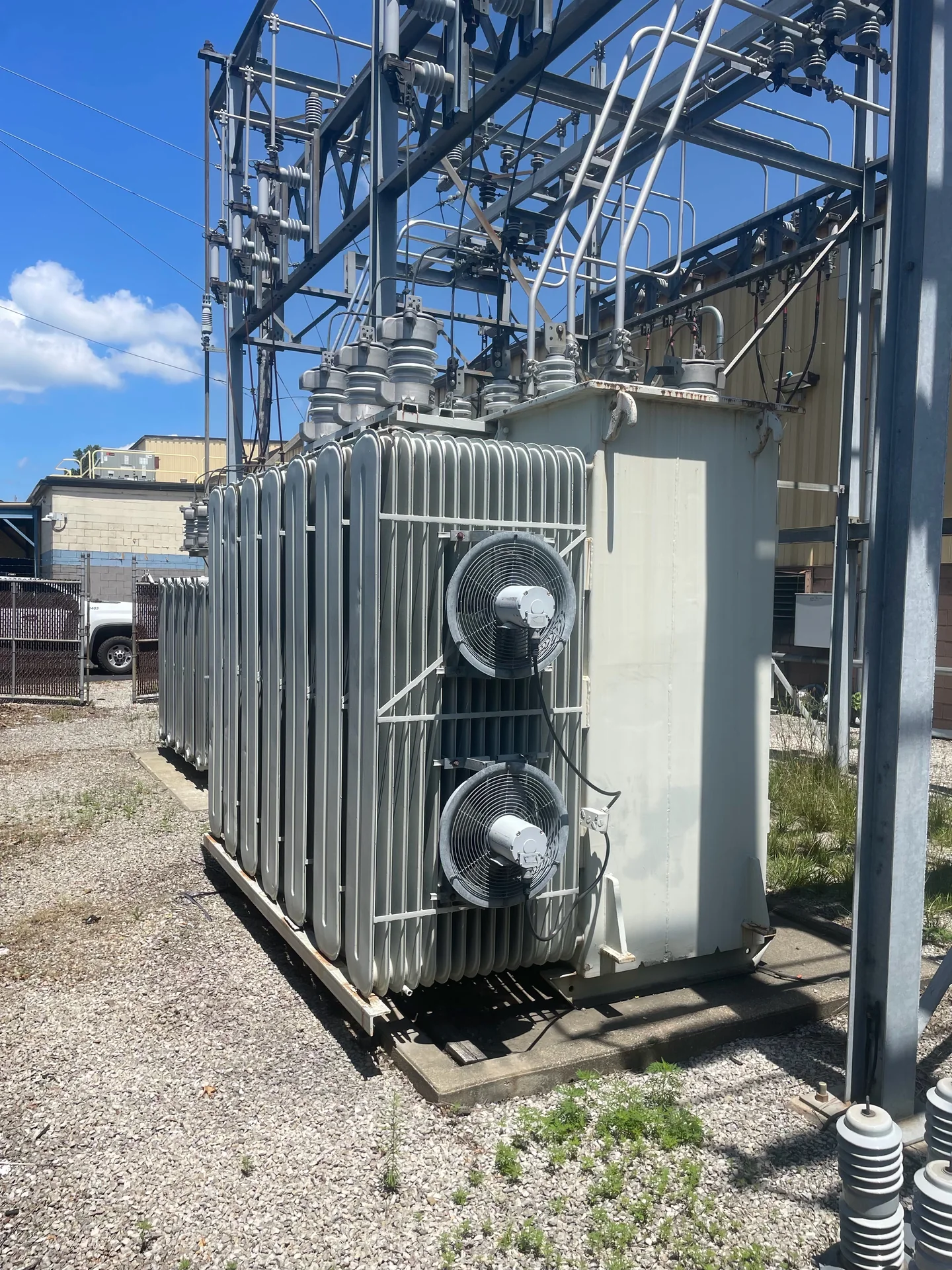
Provide photos that show the transformer in place plus the surrounding area. Include overall shots from several angles, close-ups of bushings, lift points, tap changers, and the nameplate. Add images that reveal proximity to walls, fencing, overhead lines, roadways, and other equipment so carriers and riggers can preliminarily assess clearances and line-of-sight.
Record the unit’s exact location on site, whether it is energized or isolated, and whether it sits on a pad, in a vault, on a skid, or inside a building. Ownership documents, decommissioning notes, and serial-number cross-references reduce later paperwork delays during transfer of title.
3. Assess access, constraints, and likely permits
Site access drives removal cost and feasibility. Measure gate widths, driveway turning radii, overhead clearance under power lines, and the distance from the unit to the nearest staging area or public road. Note pavement load limits or narrow alleys that could limit truck or crane access. In Oklahoma City’s industrial zones you may encounter tight yards; in denser areas, staging for a crane or carrier can be constrained.
Identify whether road permits, traffic control, or lane closures may be required and disclose site security or insurance restrictions. Do not attempt to perform permits or rigging yourself unless you are a qualified provider; instead, provide these observations to potential buyers and contractors so they can include permit costs in offers.
4. Prepare rigging-and-loading information (for contractors)
When you engage buyers or rigging firms, they will request technical details used for lift planning: estimated weight or nameplate-based weight if available, apparent lift points, base type, removable accessories, and whether the tank can be drained. Also disclose the transformer’s fluid type and any known sampling history so environmental handling and containment needs are clear. Photographs of lifting lugs, padeyes, and the bottom of the unit speed accurate quotes.
Keep discussions with riggers technical but non-prescriptive—qualified rigging and electrical teams must determine safe lifts, electrical disconnections, permits, and required equipment. Clarify who will be responsible for disconnection, fluid handling, and hazardous-material compliance before accepting any offer.
5. Compare direct sale, auction, broker, and recycling options
Choose a route based on condition, quantity, timeline, and market demand. Direct sales to nationwide buyers can be efficient when a buyer has an immediate need for a specific make or rating, but not every transformer will attract a direct offer. Auctions broaden market exposure and can be useful for unusual or lower-condition units. Recycling or scrap processors are appropriate for nonfunctional or contaminated units, but environmental handling may add cost and paperwork.
When evaluating options, compare net proceeds after removal, permit, and freight costs, and consider who assumes environmental liability. A broker can manage multiple buyers for you if you prefer a single point of contact. Be realistic about timing—auctions and brokered sales can take longer than a direct conditional offer, and availability depends on the unit and market demand.
6. Coordinate the transaction with a nationwide buyer
A common sequence is initial inquiry with photos and nameplate data, remote appraisal or conditional offer, any required on-site inspections by qualified personnel, a written purchase agreement clarifying responsibilities, and logistics planning for removal and title transfer. Confirm who will arrange and pay for freight, rigging, permits, and contractor labor before finalizing terms. Buyers typically require proof of ownership and will document title transfer at pickup.
Discuss realistic timelines and potential seasonal constraints for carrier availability. Keep communications factual, provide requested records promptly, and remember that availability and purchase fit depend on the actual unit and project; transparent disclosure avoids revised offers or last-minute refusals.
Quick documentation checklist to prepare before outreach
Assemble a packet for potential buyers or contractors to review. Hand this checklist to your asset manager or site staff so the information is consistent and easy to transmit. Complete documentation shortens evaluation time and reduces surprises during inspection and pickup.
Include this packet when you first contact buyers to get more accurate preliminary offers and to identify any special handling needs early in the process.
- Clear nameplate photos showing manufacturer, serial number, kVA/MVA, voltages, phase, and frequency.
- Overall unit photos from multiple angles and close-ups of bushings, lift points, tap changers, and connectors.
- Service, maintenance, and test records (dielectric, turns-ratio, relay testing) when available.
- Quantity of units, ownership documentation, decommissioning status, and serial-number lists.
- Site photos showing access route, gate width, overhead clearances, staging area, and nearest public road.
- Notes on fluid type, last sampling or disposal actions, and any known contamination or PCB history.
Service-area context
Planning a sale in Oklahoma
This city guide is part of the broader Oklahoma service-area directory. Review statewide pickup and documentation considerations before arranging an equipment review.
Explore the Oklahoma transformer guideCommon questions
Practical answers before you call
One clear next step