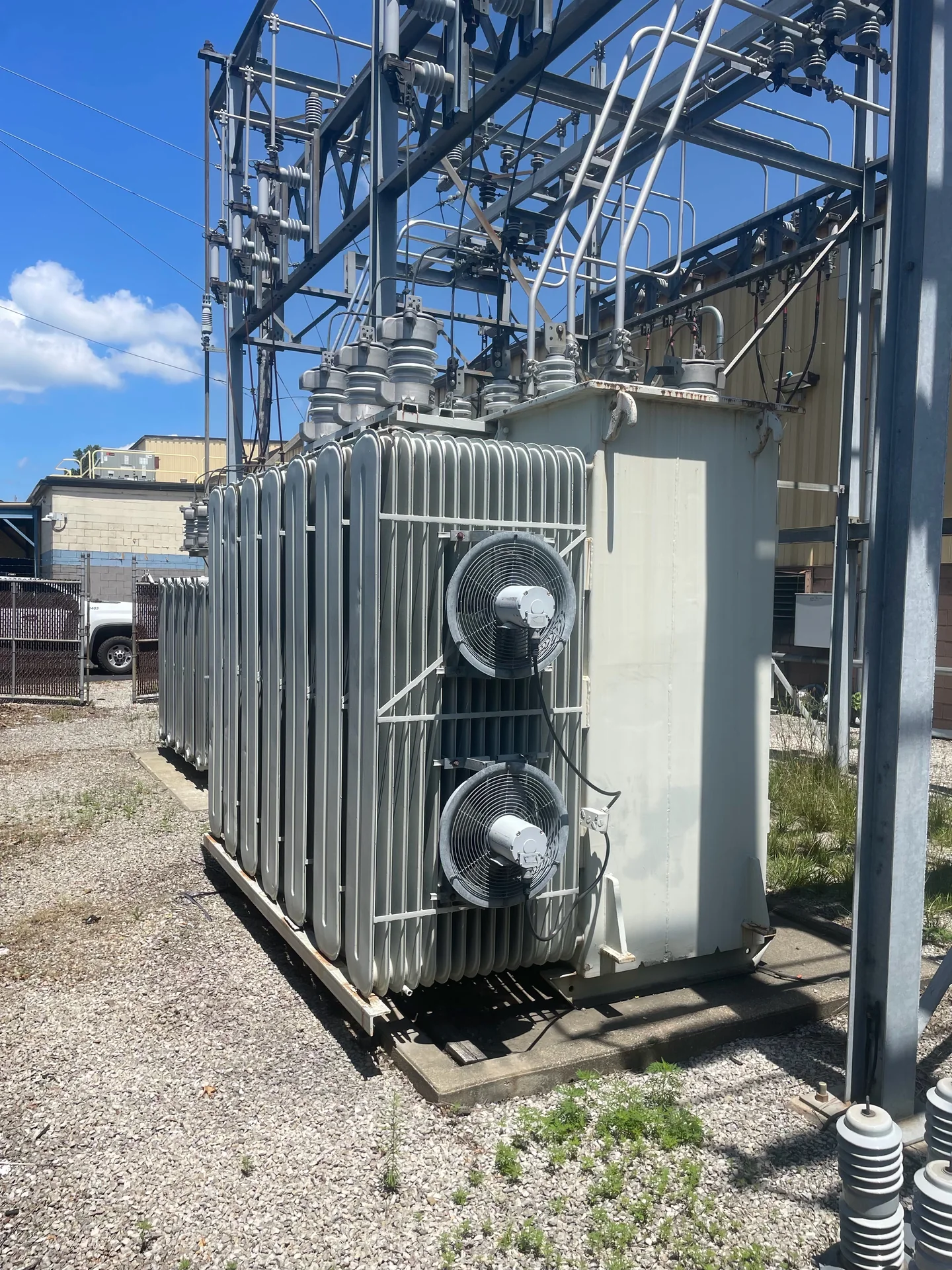
Sell Electrical Transformers in Oklahoma — A Practical Planning Guide
This guide helps owners, contractors, facility managers, and equipment resellers prepare transformers for sale in Oklahoma. It explains the documentation a buyer will expect, how to qualify equipment, and the logistical steps—site access, rigging, loading, and long-distance freight—that commonly affect offers and timing. We buy transformers nationwide; this guide does not imply a local branch. For disconnection, testing, rigging, fluid handling, and transport, work with qualified professionals who follow applicable codes and safety requirements.
Evaluation starts with facts
Share the manufacturer, rating, voltage, phase, condition, quantity, and location before discussing value or pickup.
Gather ownership records and seller documentation first
Buyers will want clear documentation before they issue an offer. Start by assembling ownership proof, purchase invoices or asset tags if available, and any decommissioning permits. Service and test records—routine maintenance logs, insulation tests, turns ratio, and dissolved gas analysis—significantly improve a buyer’s confidence in condition and value. If transformers were surplus from a project or auction, include chain-of-custody notes so prospective buyers can verify title and liability before negotiating.
bullets
- Bill of sale or invoice showing ownership
- Manufacturer name, model and serial numbers
- Nameplate photos (full view and close-ups)
- Maintenance, test, and service reports
- Decommissioning notes or permits, if any
Document the equipment’s key nameplate and design data
Nameplate details drive qualification and pricing. Photograph and transcribe the manufacturer, kVA or MVA rating, primary and secondary voltages, phase (single or three‑phase), frequency (Hz), vector group or winding configuration, and design type (core‑form, shell‑form, unit, pad‑mounted, or substation). Also note year of manufacture and serial number. Buyers assess compatibility with their inventory or projects using these specifics, so completeness reduces follow‑up requests and speeds appraisal.
bullets
- kVA or MVA rating and kVA class
- Primary / secondary voltage and tap settings
- Phase and frequency (e.g., 3‑phase, 60 Hz)
- Vector group or connection type
- Manufacturer and serial number
Assess condition, testing history, and common issues
Condition directly affects market interest. Note visible corrosion, bushing condition, leaks, paint and enclosure integrity, and prior damage from overload or fire. Provide any recent electrical tests—turns ratio, power factor, DGA for oil‑filled units, and insulation resistance—because documented test results typically matter more than age alone. If records are incomplete, be candid: buyers often request an on‑site inspection or third‑party testing before finalizing an offer.
bullets
- Document leaks, oil levels, and bushing integrity
- List known repairs, retrofits, or rewinds
- Provide recent test reports when available
- Note whether unit is currently energized or isolated
Plan site access, rigging, and loading prerequisites
Logistics influence whether a buyer can reasonably remove equipment and what they will offer. Describe site access: gate widths, overhead obstructions, road or yard surface, and nearest public road. Identify onsite lifting points, available cranes or forklifts, pad mounting, or vault access. Provide photos showing the transformer in place and the approach route. Emphasize that disconnection, isolation, and any required confined‑space or electrical work must be performed by qualified contractors under applicable rules.
bullets
- Clear photos of access routes and transformer placement
- Measurements for gates, doorways, and clearances
- Onsite lifting equipment and certified rigging points
- Any permit or site‑specific safety requirements
Consider long‑distance freight and logistics options
If a buyer will move a transformer long distances, freight becomes a major factor in economics and timing. Confirm the unit’s weight and dimensions, including crated sizes if applicable, and whether oil removal or cold‑tanking is required for transport. Large pad‑mounted or substation transformers may need special permits, escorts, or route surveys. Buyers often arrange carriers or ask sellers to secure local rigging and staging; clarify expectations early to avoid delays and unexpected costs.
bullets
- Record gross weight and transport dimensions
- State whether the unit contains oil or other fluids
- Note need for permits, escorts, or route restrictions
- Clarify who arranges and pays for local rigging and freight
Timing, offers, and realistic alternatives
Market demand, condition, documentation, and logistics all affect timing and whether a buyer issues an offer. Provide a clear timeline for availability and any site restrictions that could delay removal. Remember that not every transformer will receive an offer; buyers evaluate risk and resale potential. If direct sale isn’t feasible, alternatives include auction, equipment brokers who market to wider buyers, material recyclers for salvage value, or qualified disposal for end‑of‑life units. Discuss options openly with potential buyers.
bullets
- Set realistic availability dates for inspection and removal
- Be prepared for conditional offers pending inspection or testing
- Consider auction or broker channels for specialized units
- Recycling or qualified disposal may be the proper end‑of‑life option
Common questions
Practical answers before you call
Metropolitan service guides
Explore Oklahoma city guides
Review the city guide closest to the equipment location for local planning details, site-access considerations, and a direct path back to this Oklahoma service guide.
One clear next step