Selling Electrical Transformers in Orlando — Planning Guide
If you are preparing to sell one or more electrical transformers in the Orlando metro area, advance planning reduces delays, surprise costs, and missed opportunities. This guide walks through the practical steps most buyers expect: documenting nameplate and test data, mapping site and route constraints, preparing for rigging and loading conversations, comparing direct sale versus auction or recycling, and coordinating logistics with out-of-area buyers. Availability and whether a purchase is offered depend on the actual unit, its records, site conditions, and current buyer demand.
Evaluation starts with facts
Share the manufacturer, rating, voltage, phase, condition, quantity, and location before discussing value or pickup.
Record the unit’s identification and electrical data
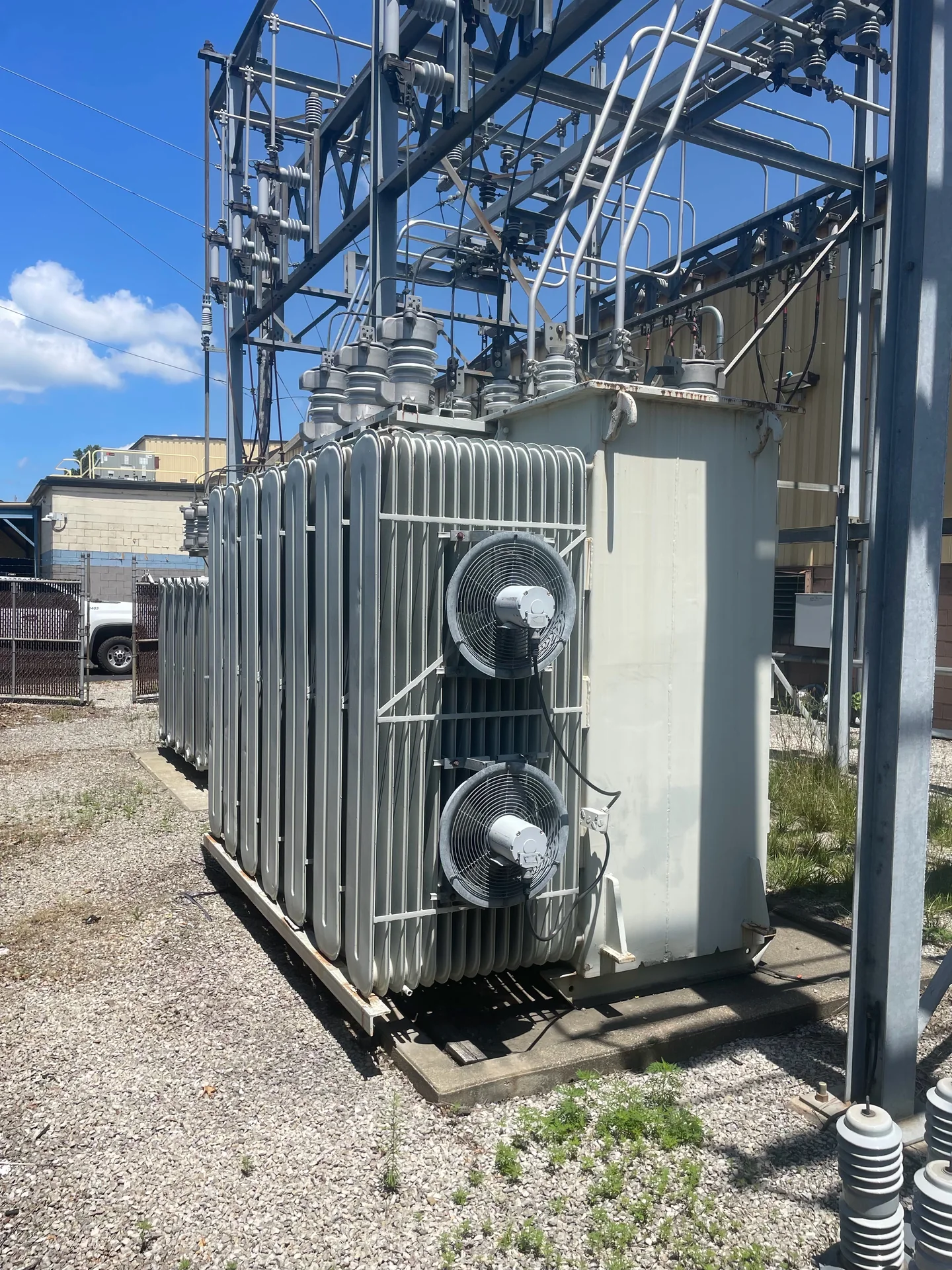
Buyers and carriers start evaluations with the unit’s identification and ratings. Photograph the nameplate clearly and capture multiple full-unit views. Note manufacturer, model, serial number, rated kVA or MVA, primary and secondary voltages, phase, frequency, and design (pad-mounted, pole-mounted, substation oil-filled, dry-type, etc.). Record cooling or insulation type and any service modifications. List age, visible condition issues, quantity if there are multiples, and whether recent test or maintenance records exist to support condition claims.
bullets
- Clear nameplate photo plus front, rear, and side unit shots
- Manufacturer, model, serial number, kVA/MVA, voltages, phase, frequency
- Cooling/insulation type and physical design (pad, pole, tank, dry)
- Age estimate, repairs, leaks, and available test/service records
Map site location and access constraints
Accurate site access information strongly affects feasibility and cost. Describe the unit’s position relative to the nearest public road, property gates, and staging areas. Measure or estimate gate widths, driveway slopes, tight turns, overhead clearances, and any height-restricted passages. If the transformer sits indoors or on a concrete pad, note floor load rating or pad condition, and whether adjacent equipment or live lines will restrict crane placement. Provide photos or a simple site sketch showing the route from curb to the unit.
bullets
- Route photos from curb to unit and a simple site sketch
- Gate widths, turning radii, overhead clearance, and driveway grade
- Indoor access, floor load or pad-bearing notes, and nearby equipment
- Security gates, locked yards, or restricted-hour limitations
Prepare technical details for rigging and loading discussions
When discussing lifts, provide weights, lifting points, and removable components rather than rough guesses. If known, supply dry and shipping weights, lifting-lug locations, or recommended padeyes. Identify removable radiators, conservator tanks, bushings, or crates that reduce shipping dimensions. Make clear whether the unit is de-energized and who will be responsible for disconnection and testing; any electrical isolation, oil-handling, or lift planning should be done by qualified electricians, environmental contractors, and certified rigging firms under applicable rules.
bullets
- Dry and shipping weights, lift points, and lifting-lug photos
- List removable parts and whether tank oil can be drained by contractors
- Request riggers to review photos for crane, spreader bar, and pick plans
- Clarify which party will arrange permits, traffic control, and lift crew
Compare sale pathways: direct buyer, auction, broker, or recycler
Choose the sales route that fits the unit’s condition and your timeline. Direct sale to a refurbisher or end user can reduce handling when documentation is strong and demand is present. Auctions offer market exposure and speed but involve fees and outcome variability. Brokers extend market reach for a commission. Recycling or material recovery is appropriate for units that are damaged, contaminated, or economically unrecoverable; recyclers typically pay by scrap content and may manage disposal paperwork. Consider environmental history (PCBs, contamination) when deciding.
bullets
- Direct sale: best with complete records and clear buyer need
- Auction: faster market exposure, with fees and variable prices
- Broker: wider outreach in exchange for commission
- Recycler/disposal: for non-serviceable or contaminated units; handles paperwork
Coordinate logistics and responsibilities with a nationwide buyer
When a buyer is out of region, agree responsibilities early to avoid misunderstandings. Confirm who arranges and pays for de-energization, required testing, rigging, transport, and permits. Buyers commonly request bills of sale, proof of ownership, environmental disclosures, and evidence that qualified personnel handled decommissioning. Ask carriers about insurance and DOT compliance, and confirm if oversize or overweight permits and escorts are required along the planned haul route. Designate a single point of contact to streamline communications and scheduling.
bullets
- Agree who manages de-energization, testing, and lift contractor selection
- Provide ownership documentation, bills of sale, and test records when requested
- Confirm carrier insurance, DOT compliance, and permit responsibilities
- Set a single point of contact and realistic pickup windows
Set realistic timeline and contingency options
Plan a timeline that reflects the unit’s condition, site complexity, and buyer availability. Units with limited testing, older equipment, or difficult access require longer lead times. Assemble a review packet—photos, nameplate copies, test records, and ownership documents—to share quickly. If no direct buyer materializes, be prepared to pursue an auction, intermediary broker, or certified recycler. Remember: purchase availability depends on the specific unit, its documentation, site constraints, and current market demand.
bullets
- Prepare a packaged file of photos, nameplate, and test records
- Schedule shutdown, isolation, and pickup with qualified contractors
- Identify backup routes: auction houses, brokers, or recyclers
- Document any regulatory or environmental constraints early
Service-area context
Planning a sale in Florida
This city guide is part of the broader Florida service-area directory. Review statewide pickup and documentation considerations before arranging an equipment review.
Explore the Florida transformer guideCommon questions
Practical answers before you call
One clear next step