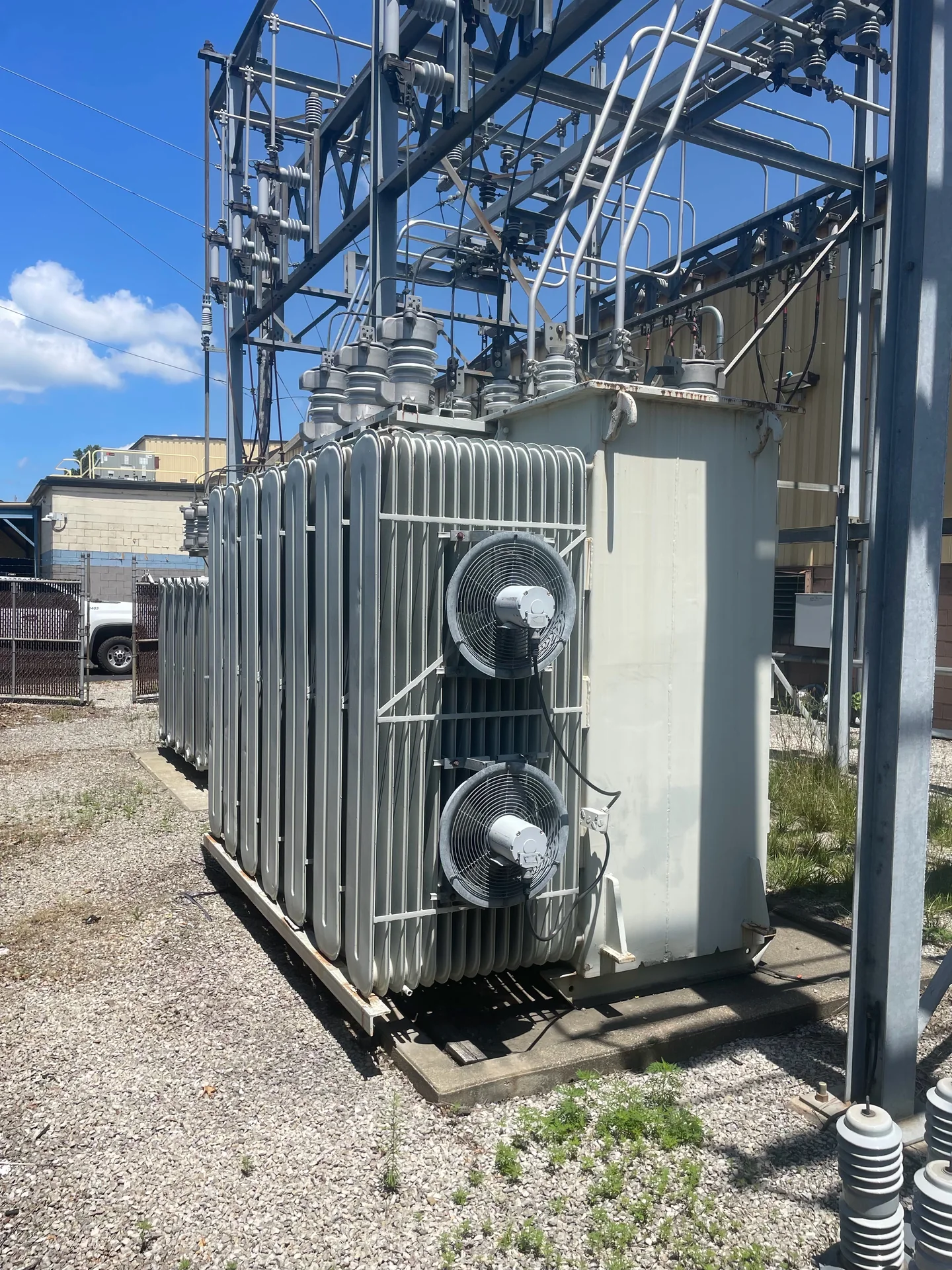
Sell Electrical Transformers in Phoenix — Planning Guide
If you are preparing to sell new, used, or surplus electrical transformers in the Phoenix metro, planning ahead reduces delays and helps buyers evaluate units faster. This guide walks through documenting equipment, checking site and access constraints, preparing for rigging and loading conversations, comparing direct offers with auction or recycling options, and coordinating a transaction with a nationwide buyer. Availability and purchase fit depend on the specific unit, its condition, and the project; not every transformer will receive an offer.
Evaluation starts with facts
Share the manufacturer, rating, voltage, phase, condition, quantity, and location before discussing value or pickup.
Step 1 — Document the transformer clearly
Accurate documentation speeds initial evaluation. Start with high-quality photos and a close reading of the nameplate. Key nameplate and unit details buyers look for include manufacturer, model, serial number, kVA or MVA rating, primary and secondary voltages, phase, frequency, and design type (pad-mounted, pole-mounted, power, distribution, autotransformer). Note age, visible condition, and any corrosion or oil leaks. Include available test and service records, previous repairs, and how many identical units are available.
bullets
- Nameplate copy: manufacturer, model, serial
- Electrical ratings: kVA/MVA, voltages, phase, frequency
- Physical design: pad/pole/indoor/outdoor, weight if known
- Condition notes: rust, paint, oil stains, bushing condition
- Documentation: test reports, service history, inspection dates
- Quantity and ownership: single unit or lot, proof of ownership
Step 2 — Identify site access and location constraints
Describe where the unit is located and how a truck or rig would reach it. Buyers need to know if the transformer sits inside a fenced substation, on a pad in a congested industrial yard, on a rooftop, or along a narrow alley. Note ground conditions, nearby obstructions, gate widths, overhead clearances, turning radii, and any permits or security procedures required for entry. If the site is in a dense urban or industrial area, expect additional coordination for traffic control or temporary closures.
bullets
- Access route photos from street to unit
- Gate widths, overhead clearances, and surface type
- Proximity to public roads and load/unload space
- Permitting or security requirements for entry
Step 3 — Prepare for rigging and loading conversations
Rigging, disconnection, load removal, and lifting requirements are critical conversation points with potential buyers and contractors. Provide estimated weight, lift points or crane pads, and whether housings or bushings must be removed before loading. Do not attempt electrical disconnection or lifting unless you have qualified personnel; buyers will expect these tasks to be handled by your team or an agreed third party and will ask about contractor availability, required permits, or confined-space considerations. Share any receiver-side constraints that could affect scheduling.
bullets
- Estimated unit weight and footprint
- Known lift points, base dimensions, and clearances
- Required pre-lift steps: oil draining, bushing removal, isolation
- Who will arrange qualified electricians, riggers, and permits
Step 4 — Compare sale routes: direct sale, auction, broker, or recycler
Different routes suit different goals and unit conditions. A direct sale to a buyer can be efficient if the unit meets common specifications and the buyer can arrange removal logistics. Auctions or brokers may be appropriate for unique or high-volume lots where market competition can establish value. Recycling or scrap is usually a last resort for non-viable units or when environmental disposal is required. Be prepared to show test records and describe defects — these materially affect market demand and which route is feasible.
bullets
- Direct sale: faster negotiation when buyer needs the specific unit
- Auction/broker: may reach a wider market for specialty units
- Recycler/disposer: option when repairable resale is not realistic
- Decision factors: condition, documentation, quantity, timeline
Step 5 — Coordinate logistics with a nationwide buyer
Working with a buyer that operates nationwide requires clear coordination on freight, timeline, and responsibilities. Clarify who arranges transport, whether the buyer will provide a carrier or reimburse freight, and what pickup window is acceptable. Confirm required paperwork: proof of ownership, bills of sale, permits, and any manifests for liquids. Provide test reports and photographs in advance so the buyer can arrange appropriate equipment and insurance. Be transparent about timeline flexibility and any site constraints that could delay removal.
bullets
- Agree on pickup window and who schedules carriers
- Confirm responsibility for crating, skidding, or prepping
- Exchange required documents: ownership proof, test reports
- Discuss insurance, payment timing, and contingency plans
Step 6 — Final checks and alternatives if an offer isn’t made
Before finalizing, verify that all paperwork, site access, and contractor arrangements are in place. If a buyer declines the unit, consider alternate paths: list the unit with a broker, submit it to an auction house that handles transformers, or contact a licensed recycler for responsible disposal. For units containing dielectric fluid, engage qualified environmental contractors for handling and manifests. Remember: availability and whether a purchase occurs depends on the actual unit, its documentation, and current buyer demand — outcomes are not guaranteed.
bullets
- Re-check nameplate and test records for accuracy
- Confirm qualified personnel for disconnection and lift
- If declined: broker listing, auction placement, or licensed recycling
- Keep records of disposal or sale for regulatory compliance
Service-area context
Planning a sale in Arizona
This city guide is part of the broader Arizona service-area directory. Review statewide pickup and documentation considerations before arranging an equipment review.
Explore the Arizona transformer guideCommon questions
Practical answers before you call
One clear next step