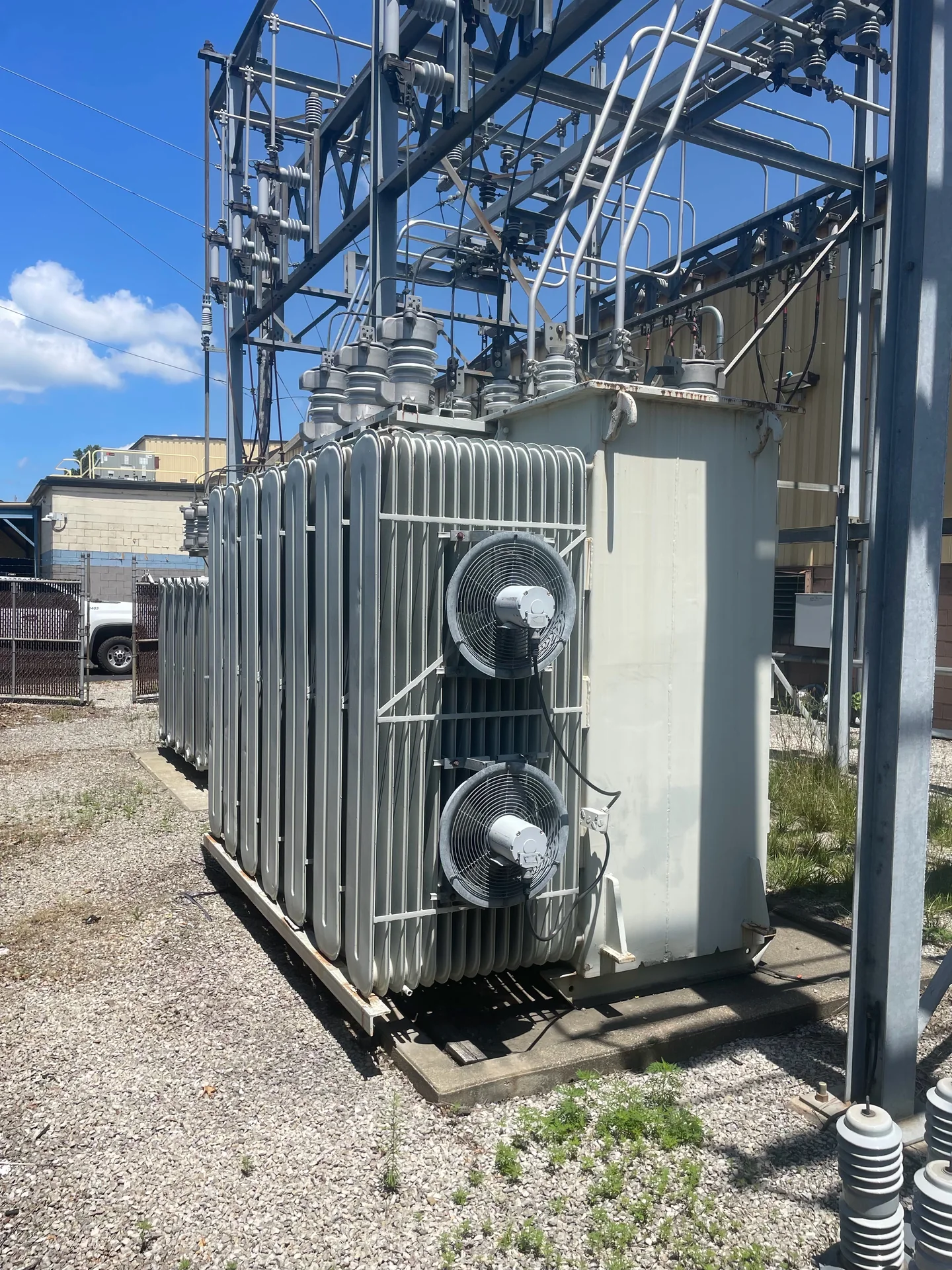
Sell Electrical Transformers in Arizona — Planning Guide
This page is a statewide planning guide for facility managers, contractors, utilities, manufacturers, demolition teams, and equipment resellers preparing to sell new, used, or surplus electrical transformers in Arizona. It focuses on practical steps that speed evaluation and removal: what records to gather, which equipment details buyers need, how to document site access and rigging constraints, and what to expect for loading and long-distance freight. We operate as a nationwide buyer; this guidance is meant to help you organize a sale rather than provide technical procedures.
Evaluation starts with facts
Share the manufacturer, rating, voltage, phase, condition, quantity, and location before discussing value or pickup.
Start with an accurate inventory and ownership records
Begin by listing every unit you plan to sell and assembling ownership documents. Buyers will want to confirm whether units are company-owned, leased, or subject to liens or encumbrances. Record serial and tag numbers, purchase invoices, maintenance contracts, and any transfer paperwork. If title or lien status is unclear, flag that up front. Clear ownership documentation shortens due diligence and reduces delays during negotiation, inspection, and the transfer of title or removal authorizations.
bullets
- Quantity and location of each unit
- Serial/model numbers and purchase invoices
- Lease or lien documentation, if applicable
- Proof of ownership or transfer authorizations
Capture complete nameplate and technical specification data
Accurate nameplate information is one of the first items buyers will request. Photograph or transcribe nameplates and record manufacturer, model, serial number, rated kVA/MVA, primary and secondary voltages, phase (single- or three-phase), frequency, and vector group or connection type. Also note cooling and design type (for example, dry or liquid-filled, ONAN/ONAF), impedance, and manufacture date. If nameplates are damaged or missing, include engineering drawings or physical measurements where possible to reduce uncertainty.
bullets
- Manufacturer, model, and serial number
- Rated kVA/MVA; primary and secondary voltages
- Phase, frequency, and vector group
- Cooling/design type and manufacture date
Document age, condition, and service or test history
Provide a concise condition summary and assemble any available service and test records. Useful documentation includes dielectric tests, turns-ratio tests, power factor measurements, dissolved gas analysis (DGA) for oil-filled units, oil test results, and records of repairs or retrofits. Describe observable defects—corrosion, oil stains or leaks, damaged bushings, tap-changer issues, or cooling system failures—and note whether the unit is de-energized. Honest condition notes reduce surprises during inspection and help buyers decide between reuse, refurbishment, parts resale, or recycling.
If testing has not been performed recently, buyers may factor testing or refurbishment costs into their offers. Do not perform electrical tests, deenergization, or other live work yourself unless qualified personnel under applicable regulations carry them out. Instead, list what tests, if any, are on file and whether the seller can arrange or fund additional inspections prior to sale.
- Previous dielectric, turns-ratio, DGA, or oil test reports
- Dates and descriptions of repairs or upgrades
- Photographs showing corrosion, bushings, and tap-changers
Assess site access, staging, and rigging constraints
Provide clear descriptions and photos of the transformer’s exact location, approach routes, gate and fence dimensions, driveway widths, overhead clearances, and nearby laydown areas. Note whether the unit is pad-mounted, inside a building, on a substation structure, or otherwise constrained. Identify floor-loading limits, ramp grades, or underground utilities that could affect rigging. Buyers and carriers use this information to determine required cranes, spreader bars, or alternative lifting methods and to price removal accurately.
bullets
- Exact on-site location and approach routes
- Gate and fence dimensions, driveway and clearance heights
- Indoor floor load limits or adjacent obstructions
- Available on-site rigging equipment or contractor access
Plan for loading, permits, and long-distance freight
Large transformers typically require heavy-haul carriers, specialized trailers, and state permits for oversized loads. Estimate weights and overall dimensions from nameplate data or manufacturer drawings; if unknown, state that estimates are approximate. Provide likely pickup coordinates, note nearby highway access, and flag any route limitations. Decide whether you will arrange a carrier or expect the buyer to coordinate transport. Clear expectations about who secures permits, escorts, and rolling stock help buyers produce realistic offers and timelines.
bullets
- Estimated weight and overall dimensions
- Preferred carrier arrangements or buyer-arranged transport
- Potential need for oversized load permits or escorts
- Any seasonal or route constraints to consider
Timing: inspections, availability windows, and coordination
Set realistic expectations for the sale timeline. Typical steps include initial document review, remote photo screening, on-site inspection, formal offer, and then planning for removal and freight. Availability of site staff, permitted shutdown windows, or demolition schedules will affect inspection slots and removal dates. Inform prospective buyers of firm dates when equipment can be inspected and when units will be ready for pickup. Allow extra lead time for testing, permit approval, or specialized carrier scheduling.
bullets
- Preferred inspection windows and site contact availability
- Shutdown or decommissioning dates affecting access
- Permits or approvals that could add lead time
What buyers evaluate and realistic outcomes
Buyers weigh technical fit, condition, quantity, and logistics together. Models with clear nameplate data and recent tests are easier to re-market; older or heavily corroded units may be more suitable for parts, refurbishment, auction, or recycling. Be prepared that not every unit will receive a purchase offer—logistics, ownership issues, or condition may limit interest. Discuss alternatives such as industrial auction houses, independent brokers, certified recyclers, or qualified disposal contractors if reuse is unlikely, and document any next-step preferences when soliciting offers.
bullets
- Reuse/resale if well-documented and in good condition
- Refurbishment or parts salvage for repairable units
- Auction, broker, or certified recycling for end-of-life units
Common questions
Practical answers before you call
Metropolitan service guides
Explore Arizona city guides
Review the city guide closest to the equipment location for local planning details, site-access considerations, and a direct path back to this Arizona service guide.
One clear next step