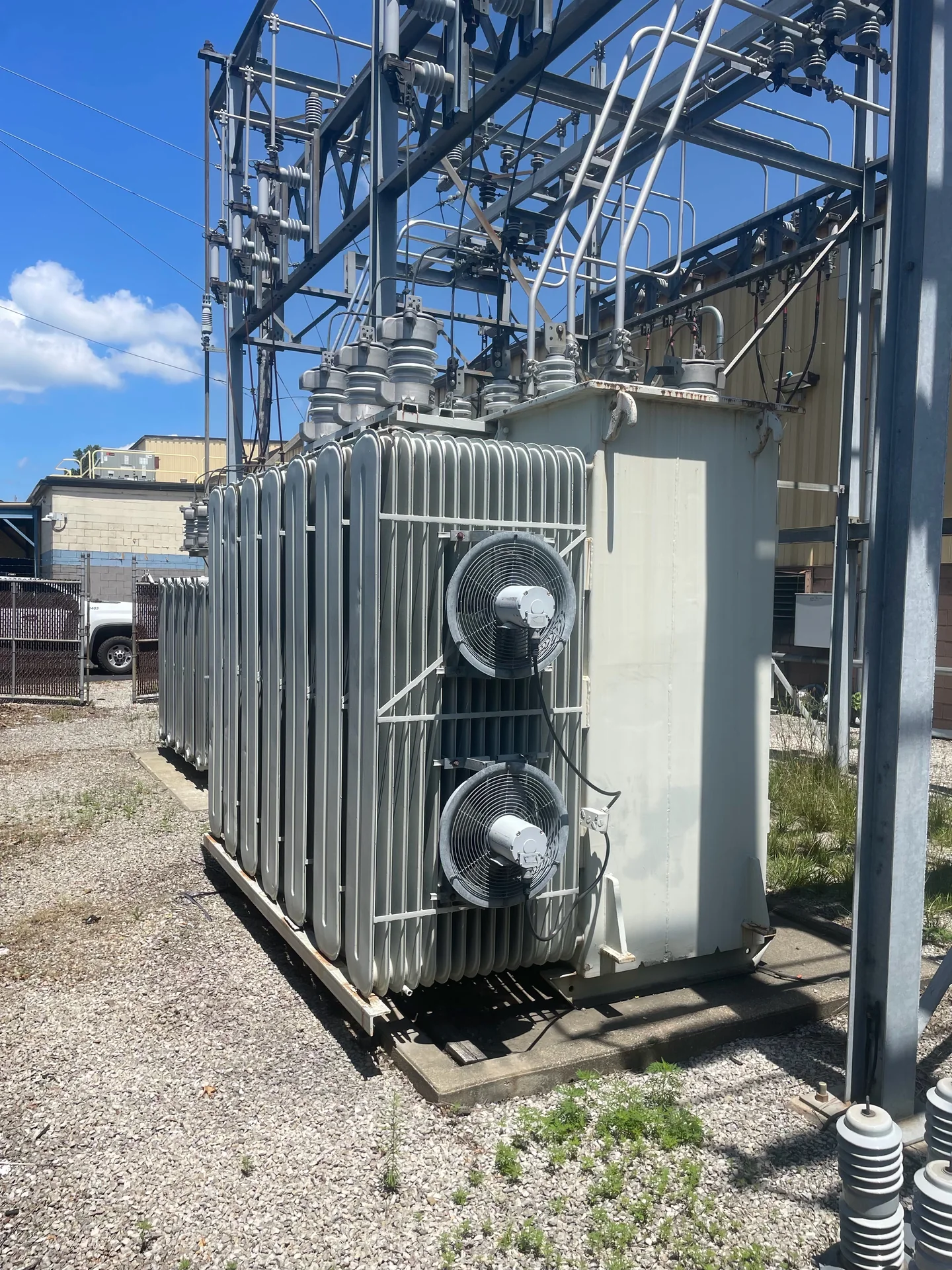
Sell Electrical Transformers in Richmond — Planning Guide
If you’re considering selling a new, used, or surplus electrical transformer in the Richmond metro area, advance planning speeds appraisal and reduces surprises. This guide helps owners, contractors, facility managers, and demolition teams gather the right information, evaluate site-access constraints, and prepare for rigging and loading conversations with prospective buyers. It also explains common sale pathways and how to coordinate a transaction with a nationwide buyer. Availability and purchase fit depend on the actual unit and project — not every transformer will receive an offer.
Evaluation starts with facts
Share the manufacturer, rating, voltage, phase, condition, quantity, and location before discussing value or pickup.
1. Document the unit: nameplate and key specs
The single most helpful step for buyers is clear documentation. Photograph and record the transformer’s nameplate and any stamped plates, then transcribe the exact entries. That makes it possible to match capacity, voltages, phase, and design type without on-site inspection. Include visible model numbers and manufacturer stamps in your notes; these often determine whether a unit attracts demand or requires refurbishment.
bullets
- Nameplate entries: manufacturer, serial number, kVA or MVA, primary and secondary voltages, phase, frequency (Hz), vector group or connection type
- Design type: dry vs. liquid-filled, pad-mounted vs. substation/indoor, step-up/step-down, isolation, auto-transformer
- Other useful details: approximate weight and dimensions, year or manufacture code, documented repairs or major components replaced
2. Gather condition and service history
Buyers will want the unit’s condition and any test or service records. Provide recent insulation tests, transformer turns ratio (TTR) reports, dielectric fluid analyses (if applicable), and maintenance logs. If formal test reports aren’t available, note when and why the unit was last taken out of service, any known faults, visible corrosion or tank damage, and whether secondary connections or bushings are intact. Honest condition notes reduce bid uncertainty and support feasible offers.
bullets
- Common records: DGA (dissolved gas analysis), TTR, insulation resistance, recent load history
- If no records exist, document observable issues: leaks, rust, bushing cracks, missing covers, or paint/label degradation
3. Assess site access and constraints in Richmond
Urban and industrial sites in Richmond each pose different access challenges. Map the physical route from the transformer location to a public street: note tight gates, overhead lines, low bridges, narrow lanes, and any vehicle weight limits. For pad-mounted or substation units, verify pad clearance, nearby utilities, and laydown areas. Coastal or industrial properties may have additional stormwater, permitting, or yard-security considerations. Documenting access factors up front helps buyers estimate equipment and truck types required for removal.
bullets
- Access checklist: gate width, swing direction, driveway slope, turning radius from street, overhead obstructions
- Site constraints: yard grade, surface type (pavement, gravel, soil), proximity to other equipment, fenced or locked areas
4. Prepare for rigging and loading conversations
When speaking with buyers or rigging contractors, present measured weight and center-of-gravity notes if available, but leave detailed lift planning to qualified riggers. Describe lifting features such as pad eyes, lifting lugs, skid rails, or removable covers. If the transformer contains fluids, indicate types and volumes and whether the unit has been drained. Buyers will ask about preferred truck access, crane or hoist clearances, and whether onsite electrical contractors will handle disconnection or de-energization under applicable rules.
bullets
- Rigging prep items to note: lifting points visible, whether fluids are present, reachable laydown areas, and site egress for heavy haul trucks
- Questions buyers may ask: who will perform electrical disconnection, permit requirements for cranes or road closures, and preferred project timeframe
5. Compare sale pathways: direct sale, auction, broker, or recycling
Decide whether to pursue a direct sale to an equipment buyer, an auction, a broker, or a recycling/disposal route. Direct sales to buyers who handle refurbishment, resale, or parting-out can be efficient when the unit matches current demand and records are good. Auctions can be useful where condition is uncertain or for quick disposition but may carry variable outcomes. Recyclers or scrap processors are appropriate for heavily damaged or irreparable units. Consider transportation costs, the effort to document the unit, and how quickly you need the asset cleared.
bullets
- Direct sale: best when nameplate, records, and access support a straightforward pickup; may require negotiation on price and logistics
- Auction: wider market reach but variable results; suitable for lots or units without full service histories
- Recycle/scrap: practical for non-functional or heavily contaminated units; confirm environmental and disposal requirements
6. Coordinate with a nationwide buyer and plan logistics
When coordinating with a buyer outside Richmond, establish how offers will be requested and what documentation they require for firm pricing. Ask whether the buyer will arrange freight and subcontract rigging or expects you to handle permits and on-site coordination. Confirm ownership proof, tagging or bill-of-sale process, and payment terms. Build a realistic removal timeline that allows for permits, utility coordination, and booking of cranes or heavy-haul trucks. Remember: final purchase decisions are unit- and project-specific.
bullets
- Coordination checklist: required documents, who arranges site services, estimated lead time for trucks/cranes, and any permit or municipal notifications
- Final notes: keep copies of all test reports and ownership documents ready; understand whether environmental sampling or containment is needed before transport
Service-area context
Planning a sale in Virginia
This city guide is part of the broader Virginia service-area directory. Review statewide pickup and documentation considerations before arranging an equipment review.
Explore the Virginia transformer guideCommon questions
Practical answers before you call
One clear next step