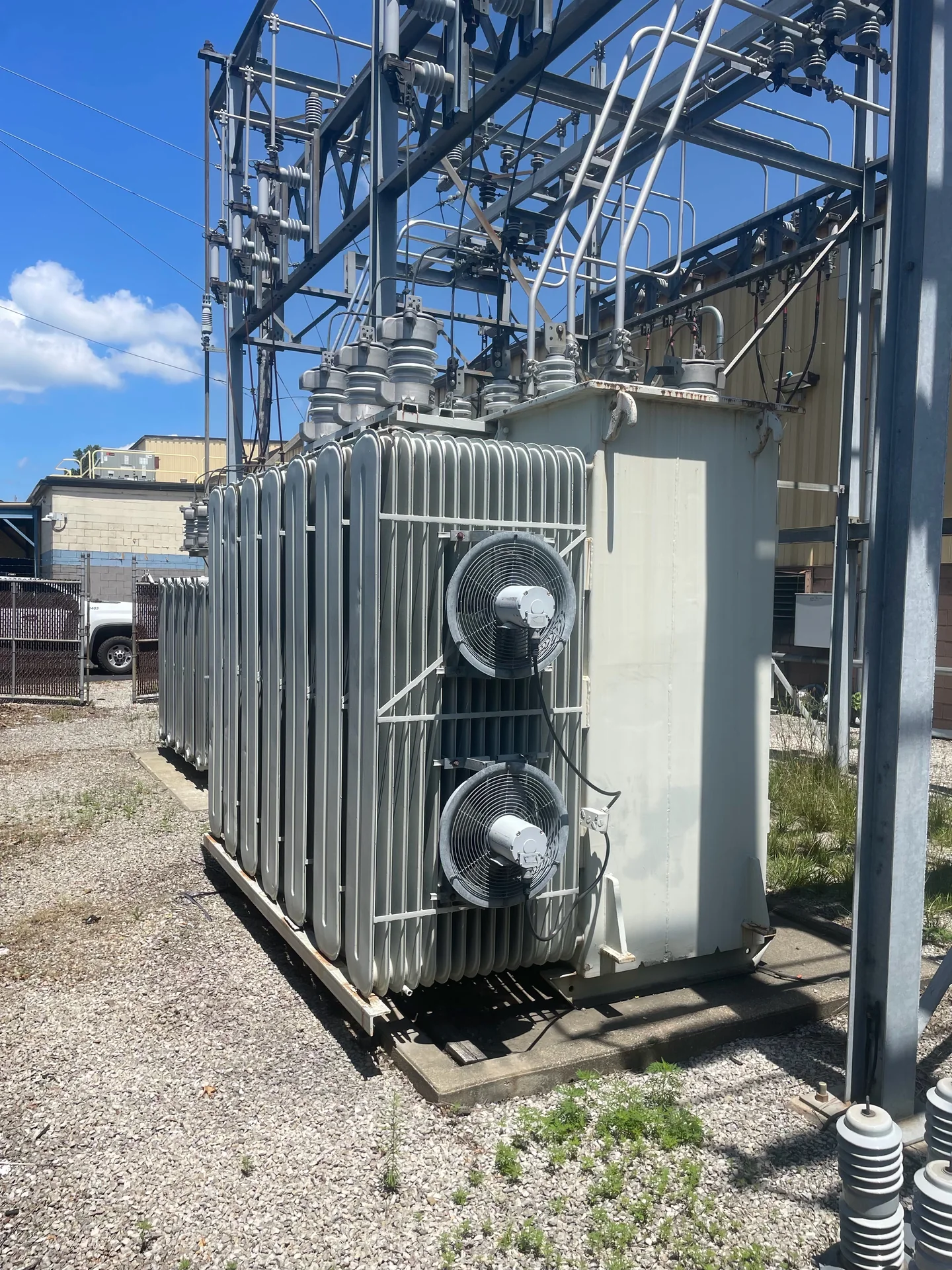
Sell Electrical Transformers in Virginia — Planning Guide
This page is a practical planning guide for companies and contractors preparing to sell new, used, or surplus electrical transformers anywhere in Virginia. It focuses on the information and preparations that serious buyers typically need: accurate equipment data, ownership records, condition and test history, physical site access for removal, and realistic timing. The guidance assumes you will engage qualified professionals for electrical disconnection, rigging, and transport as required by codes and safety standards.
Evaluation starts with facts
Share the manufacturer, rating, voltage, phase, condition, quantity, and location before discussing value or pickup.
Document the transformer: nameplate, specs, and records
Begin by collecting nameplate photos and detailed specifications for each unit. Buyers evaluate manufacturer, kVA/MVA rating, primary and secondary voltages, phase (single- or three-phase), frequency (50/60 Hz), design type (core-and-coil, autotransformer, pad-mounted, substation), and serial numbers. Include any factory drawings or manuals. Attach available service histories, recent test reports (e.g., insulation resistance, turns ratio, DGA for oil-filled units), and maintenance logs. Accurate, verifiable documentation speeds up appraisal and reduces contingencies.
bullets
- Nameplate photos (clear, close-up)
- Manufacturer and model/serial number
- kVA/MVA, voltages, phase, frequency
- Design type and cooling method (ONAN, ONAF, etc.)
- Service records, test reports, and recent repairs
Evaluate condition and qualification criteria
State the unit’s manufacture date, last in-service date, and visible condition. Note leaks, corrosion, evidence of overheating, smell of aged oil, or damage to bushings and radiators. For oil-filled transformers, list the date and results of dielectric tests and any oil analysis. Buyers will consider age, load history, and test evidence to judge reuse potential versus parts or scrap value. Be honest about unknowns; lack of records is common but will affect offers and routing options.
bullets
- Age and last operational status
- Visible mechanical or electrical damage
- Recent testing and oil analysis results
- Quantity and matching units for resale
Prepare the site: access, staging, and safety
Describe where each transformer is located and how it is reached: substation yard, rooftop, indoor switchgear room, or pad-mounted on a street right-of-way. Provide turning radii, gate widths, overhead clearances, floor load limits, and any confined-space or fall-protection considerations. Note whether the unit is energized and who will disconnect it. Buyers and their contractors need this site information to estimate rigging, permits, temporary shoring, and time on site. Always plan for qualified electricians and riggers to handle disconnection and lifting.
bullets
- Precise GPS or site location information
- Access constraints (gates, bridges, road limits)
- Crane or forklift access and staging areas
- Energization status and who will de-energize
Loading and long-distance freight considerations
Large transformers often require multi-modal logistics. Buyers will want gross weights, dimensions, and whether the unit can be transported on a flatbed or needs special cradles, blocking, or shipping skids. Discuss whether the transformer can be trucked on local roads or needs police escort or overweight permits for highway travel. If long-distance freight is anticipated, provide nearest freight terminals and rail or port access. Freight costs and special handling influence net offers, so early clarity on transport constraints is vital.
bullets
- Crated or bare-unit dimensions and weights
- Need for special permits or escorts
- Proximity to highways, rail, or ports
- Whether unit is decommissioned and ready for pickup
Project timing, quantities, and buyer demand
Be realistic about timing: buyers schedule inspections, third-party testing, and coordinated rigging and pickup windows. If you have multiple units, indicate quantity and whether they are similar makes and models; fleets of identical units are easier to remarket. Current buyer demand varies by transformer type and condition; for example, standard kVA distribution units in good test condition typically attract more interest than heavily damaged or obsolete specialty units. Communicate any hard deadlines for removal so buyers can assess feasibility.
bullets
- Number of units and whether they match
- Preferred pickup window and any site deadlines
- Flexibility for staged removal or single-lift plans
- Any contractual or environmental holdbacks
Ownership, legal clearance, and alternatives
Confirm ownership and provide transfer-ready documentation: bill of sale templates, surplus authorization, or lien releases. Buyers typically require clear title before acceptance. If a transformer is subject to environmental restrictions or contains PCBs or other regulated fluids, disclose that information early and use qualified remediation contractors. Not every unit will receive a buy offer; for units that don’t meet resale criteria, alternatives include auction, specialist brokers, parts resale, scrap recycling, or qualified disposal under applicable rules. A transparent record of ownership and condition helps determine the best path.
bullets
- Proof of ownership or surplus authorization
- Known environmental issues or regulatory flags
- Preferred disposition if not purchased
- Contact person for title and pickup coordination
Common questions
Practical answers before you call
Metropolitan service guides
Explore Virginia city guides
Review the city guide closest to the equipment location for local planning details, site-access considerations, and a direct path back to this Virginia service guide.
One clear next step