Sell Electrical Transformers in Sacramento — Planning Guide
This guide helps facility managers, contractors, demolition teams, and equipment resellers in the Sacramento metro prepare transformers for a potential sale. It focuses on documenting equipment, assessing site access, preparing for rigging and loading conversations, comparing direct-sale versus auction or recycling, and coordinating logistics with a nationwide buyer. Availability and purchase fit depend on the actual unit and project, so gather accurate details before requesting offers or scheduling removal.
Evaluation starts with facts
Share the manufacturer, rating, voltage, phase, condition, quantity, and location before discussing value or pickup.
Document the unit: essential technical and ownership data
A buyer’s interest usually starts with a clear package of technical and ownership information. Key nameplate items include manufacturer, serial number, kVA or MVA rating, primary and secondary voltages, phase, frequency, vector group or design type, and cooling class. Add the unit’s estimated age, last service or overhaul date, and whether it was used in indoor or outdoor service. Also note quantity and proof of ownership or asset documentation—these data points determine compatibility, transport needs, and how a buyer values the unit.
Maintain records of previous test or maintenance reports if available: dielectric tests, turns ratio, insulation resistance, dissolved gas analysis (DGA) for oil-filled units, and recent repairs. Even partial records can increase buyer confidence and reduce follow-up questions. If records are unavailable, describe what is known and be ready to schedule third-party testing if a buyer requests it.
- Nameplate: manufacturer, serial, kVA/MVA, voltages, phase, frequency
- Design details: vector group, cooling, type (pad-mount, substation, pole)
- Condition notes: age, visible damage, oil leaks, corrosion
- Documentation: ownership proof, service/test records, quantity
Photograph and record visible condition
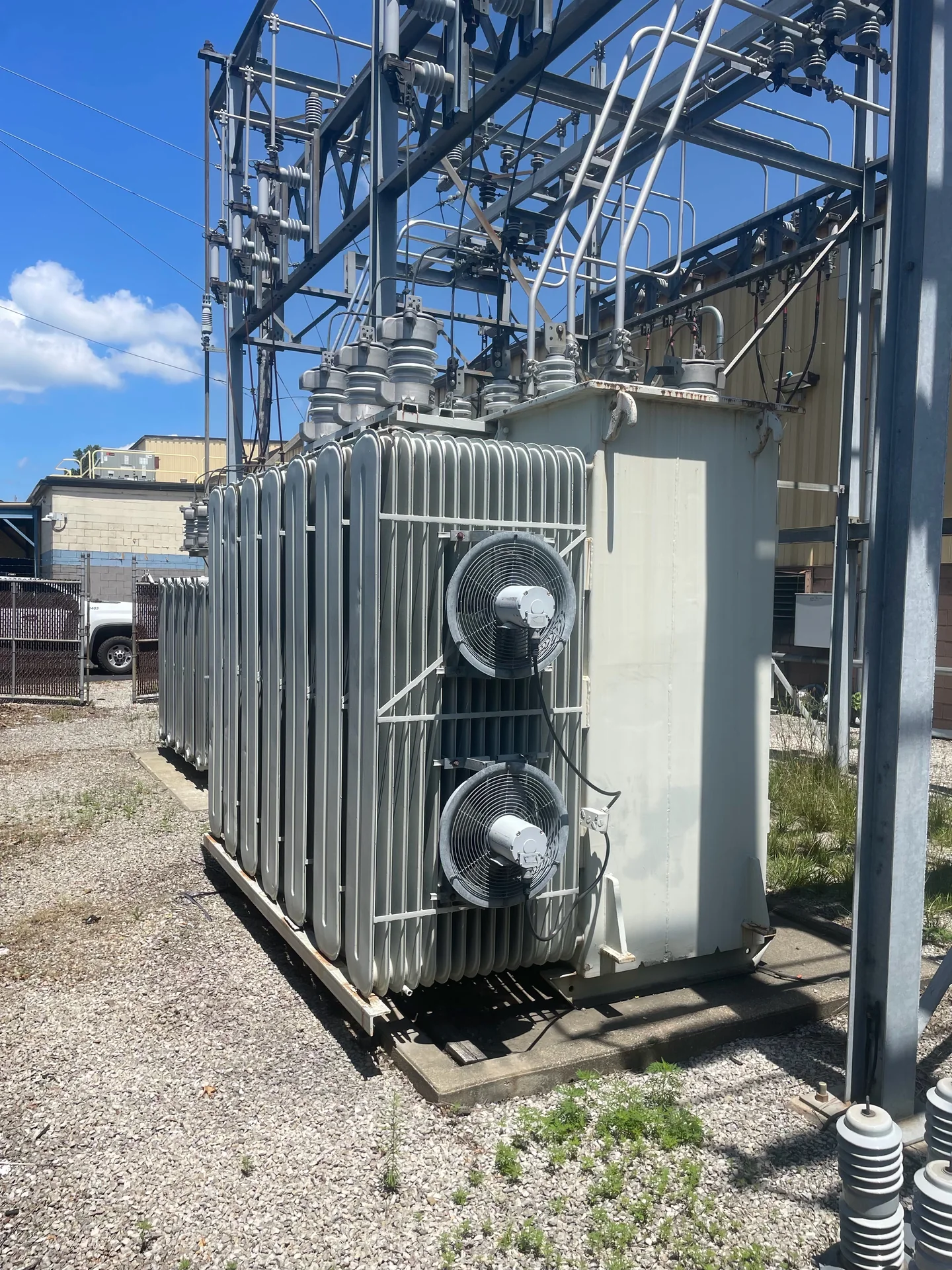
Photos and concise condition notes speed evaluation. Take clear images of the nameplate, all sides of the transformer, bushings, radiators, conservator, oil sampling valve, and any nameplates or terminal compartments. Capture close-ups of corrosion, dents, leaks, missing parts, paint condition, and mounting or pad attachments. For mounted units, show surrounding obstruction and clearance for lifting equipment. Label photos with orientation and approximate dimensions for faster review.
Include a short written description with each photo set: last operational status, whether the unit was removed energized or de-energized, and any known internal work. Do not attempt electrical tests or de-energization unless done by qualified personnel. Buyers will rely on accurate imagery and transparent condition notes when estimating removal and resale potential.
- Required photos: nameplate, all sides, bushings, tank bottom, mounting pad
- Show access path: gates, driveways, overhead wires, adjacent structures
- Note visible leaks, corrosion, missing hardware, or recent repairs
Assess site access and physical constraints
Site access often determines whether a direct sale is practical. Note gate widths, overhead clearances, turning radii, pavement load limits, and nearby utility lines. In metro areas like Sacramento, sites can range from tight urban yards to expansive industrial substations; measure approach roads and loading zones accordingly. Identify whether the unit is on grade, in a fenced compound, on a rooftop, or mounted on poles—each location affects rigging, permits, and equipment needed for removal.
Record staging and parking restrictions and whether temporary road closures or heavy-haul permits might be required. If the transformer sits near active equipment, buyers and transporters will expect confirmation that disconnection and lockout procedures will be handled by qualified personnel before any rigging or movement begins.
- Access checklist: gate width, overhead clearance, approach surface, turning radius
- Location types: pad-mounted, substation bay, rooftop, pole-mounted
- Permits/limits: weight restrictions, city permits, traffic control needs
Prepare for rigging and loading conversations
When discussing removal, be ready to provide accurate weight or estimated weight, lifting points, and tank dimensions. Pad-mounted, substation, and pole-mounted transformers require different rigging techniques and equipment. Buyers and rigging contractors will ask whether the unit is still energized, whether fluids remain, and whether lifting lugs or eyebolts are present. Always direct electrical switching, fluid handling, load testing, and onsite disconnection to qualified professionals who follow applicable safety and environmental rules.
Clarify the role your team will play versus the buyer’s contractor: will you provide a forklift, block and tackle, or only site access and permits? Establish who will arrange traffic control, crane placement, and disposal of residual fluids. Open, early communication about responsibilities helps align timeline expectations and keeps safety and compliance in focus.
- Rigging details to have: estimated weight, lifting points, clearance, required crane or forklift
- Onsite safety items: who will de-energize, drain fluids, and provide permits
- Logistics: staging area, crane pad, truck access, and insurance requirements
Compare direct sale, auction, broker, and recycling options
Deciding how to sell depends on the unit’s condition, documentation, and timeline. Direct sales to an equipment buyer can be efficient when nameplate data and condition match current market demand. Auctions or consignment may reach niche buyers and sometimes yield higher prices but involve fees and less predictable timelines. Brokers can provide access to specialized buyers but typically charge commissions. Recycling or scrap is a pragmatic option for units that are heavily damaged, contaminated, or lacking documentation.
When evaluating options, weigh time-to-complete, documentation required, transport complexity, and environmental/regulatory constraints—especially for oil-filled units. Ask prospective buyers or brokers what certificates or tests they require and whether they coordinate or expect seller-arranged removal. No single route fits every unit; choose based on the transformer’s technical fit and your project schedule.
- Direct sale: faster negotiation if documentation and condition are clear
- Auction/consignment: broader market exposure, variable timing
- Broker: specialized reach for complex or high-value units
- Recycler/scrap: appropriate for unrepairable or heavily contaminated assets
Coordinate the transaction and logistics with a remote buyer
Working with a nationwide buyer requires structured handoffs. Confirm who is responsible for scheduling removal, arranging freight and insurance, issuing a bill of sale, and transferring ownership. Agree on tentative timelines for inspection, offer, removal, and payment milestones. Keep in mind that availability and purchase fit depend on the actual unit and project, so buyers may need a site visit or third-party testing before finalizing terms.
Document each step in writing and retain copies of test reports, permits, and communications. If the buyer cannot or will not purchase a specific transformer, alternatives include auction, brokerage, or qualified recycling/disposal. Throughout, funnel electrical work, rigging, oil handling, environmental controls, and transport to certified professionals and ensure compliance with local and federal regulations.
- Transaction steps: documentation → offer → acceptance → scheduling removal → transfer of ownership
- Be prepared for inspections or independent testing prior to final offers
- If a sale isn’t completed, consider auction, broker services, or certified recyclers
Service-area context
Planning a sale in California
This city guide is part of the broader California service-area directory. Review statewide pickup and documentation considerations before arranging an equipment review.
Explore the California transformer guideCommon questions
Practical answers before you call
One clear next step