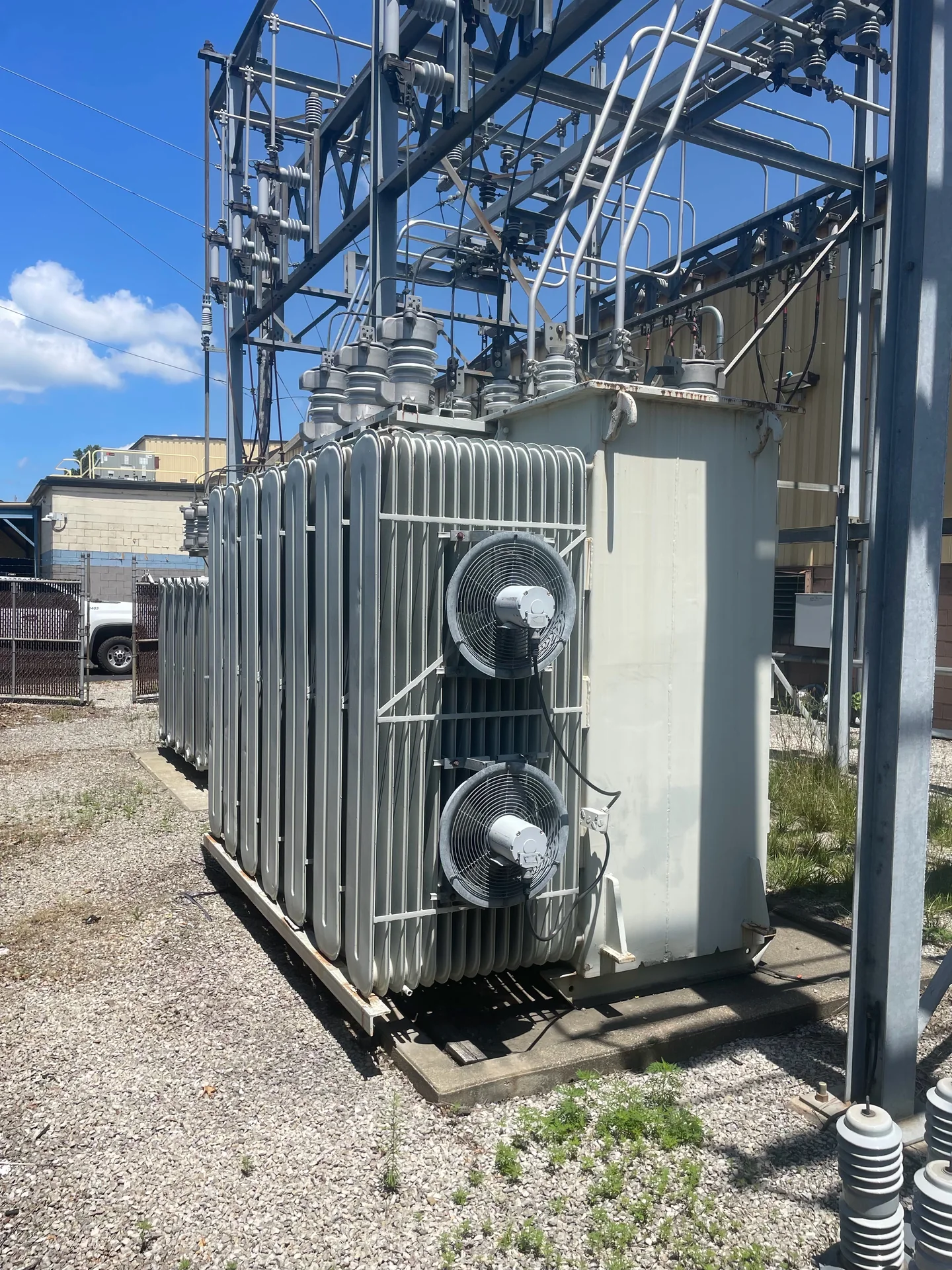
Sell Electrical Transformers in San Antonio — Planning Guide
If you’re preparing to sell a new, used, or surplus electrical transformer in the San Antonio area, thoughtful advance planning makes transactions smoother and reduces surprises. This guide helps contractors, facility managers, utilities, manufacturers, demolition teams, and resellers document equipment, identify site-access constraints, prepare for rigging and loading conversations, and weigh selling options. Availability and purchase fit depend on the actual unit and project; not every transformer will receive an offer. Use this as a practical checklist to gather facts and talk confidently with prospective nationwide buyers.
Evaluation starts with facts
Share the manufacturer, rating, voltage, phase, condition, quantity, and location before discussing value or pickup.
Start with accurate nameplate and identity documentation
The first step buyers ask for is clear identification. Photograph and record the nameplate and any tags or stamped data: manufacturer, serial number, kVA or MVA rating, primary and secondary voltages, phase (single or three–phase), frequency (50/60 Hz), cooling/design type (ONAN, ONAF, dry-type), and year of manufacture if present. Buyers use those details to verify compatibility with market demand and to match the unit to resale or refurbishment channels.
Include a brief inventory that lists quantity if you have multiple identical units and note ownership or title information if requested. Incomplete or unreadable nameplates often reduce interest or require an on-site inspection, so supplying legible photos and transcriptions speeds evaluation.
- Photograph front and back of nameplate and overall unit from multiple angles
- Record kVA/MVA, voltages, phase, frequency, cooling method, and serial number
- List manufacturer, model, and quantity, plus any known modifications or repairs
Describe condition, service and test records
Condition and service history strongly influence offers. Note whether the transformer has been in continuous service, stored outdoors, or recently decommissioned. Provide existing test reports such as turns ratio, insulation/power factor, or oil dielectric tests if available, and list any known leaks, corrosion, bushing or tank damage, or previous repairs. Honest, specific descriptions avoid wasted inspections and help buyers estimate refurbishment costs.
If you do not have formal test reports, say so. Buyers may request a site inspection or suggest independent testing before a firm offer. Keep in mind that functional, well-documented units typically attract more interest than undocumented equipment.
- Attach electronic copies of test/service records where possible
- Note visible exterior damage, oil staining, or missing components
- Disclose any known internal faults or previous rewinds/repairs
Map and report site access and location constraints
Site access is often the limiting factor for pickup. Provide the exact site address, a loading area photo, typical clearances from fences or buildings, and whether the unit sits indoors, on a pad, in a vault, or behind other equipment. San Antonio’s metro includes older urban sites and industrial parks; constrained city sites and narrow roads can require different rigging or traffic permits than open yards.
Include notes about truck access (turning radius, overhead obstructions, bridge weight limits), available laydown areas, and on-site hours when pickups are permitted. Accurate access information helps buyers and rigging contractors prepare equipment and permits, and can affect whether a direct pickup, crane lift, or alternative removal method is needed.
- Provide site map or GPS coordinates and photos of intended pickup route
- Note gate sizes, fence removal options, curb cuts, and overhead lines
- Identify any permit or traffic-control considerations you’re aware of
Prepare for rigging, loading and freight conversations
Transformers can require cranes, forklift trucks, sling points, skidding equipment, or flatbed trailers. Rather than providing technical instructions, describe available on-site rigging anchors, lifting eyes, or skid channels, and whether a qualified rigging contractor will be arranged by you or expected by the buyer. Clarify who will disconnect electrical connections and de-energize equipment—qualified personnel must perform those tasks under applicable regulations.
Discuss expected timeframe for availability, any staging needed for safe loading, and whether the unit contains fluids that need certified handling. Freight distances and required lifting equipment will factor into cost estimates and scheduling. Clear upfront answers reduce the chance of last-minute mobilization delays.
- List known lifting points, pad or rail dimensions, and estimated weight if available
- State whether you or a third party will provide rigging and lifting crews
- Flag any fluids or containment needs so carriers can plan compliant handling
Compare direct sale, auction, broker, or recycler options
Decide your priorities before soliciting offers: speed, maximum net proceeds, or minimized handling. A direct sale to a nationwide buyer may reduce coordination for freight and resale but depends on fit with their inventory needs. Auctions can reach a wider buyer base but add fees and timeline variability. Brokers can find niche buyers but charge commissions. Recycling or qualified disposal becomes necessary when units are non-repairable or contain regulated materials.
Be explicit about what you will accept: on-site pickup only, removal arranged by buyer, or sale as-is for scrap. Remember that not every route suits every unit; the transformer’s size, condition, and documented history will guide the appropriate marketplace and how offers are structured.
- Direct sale: potentially simpler logistics but subject to buyer demand for your exact unit
- Auction: wider exposure, variable net proceeds, and longer timelines
- Recycler/disposal: appropriate for damaged or out-of-spec units with environmental needs
Coordinate the transaction with a nationwide buyer
When engaging a buyer outside the metro, establish a clear communication plan and timeline. Share the documentation packet (photos, nameplates, test records, site access notes) and clarify the buyer’s inspection policy, payment terms, and the proposed pickup schedule. Confirm who arranges permits, traffic control, or third-party testing, and who bears those costs. Ask for a written purchase agreement that specifies what is included and the conditions for payment.
Expect the buyer to evaluate demand for your specific unit and to ask follow-up questions. If an offer doesn’t materialize, discuss alternative channels such as brokers, auctions, or qualified recyclers. Keep an open record of inquiries and timelines so your internal stakeholders and site teams can coordinate safely and efficiently during removal.
- Provide a single-point contact for logistics and access on pickup day
- Request written terms that include contingencies for inspections and delays
- Keep records of every offer and the supporting documentation you supplied
Service-area context
Planning a sale in Texas
This city guide is part of the broader Texas service-area directory. Review statewide pickup and documentation considerations before arranging an equipment review.
Explore the Texas transformer guideCommon questions
Practical answers before you call
One clear next step