Sell Electrical Transformers in San Diego — Planning Guide
This page is a practical planning guide for organizations in the San Diego area that are preparing to sell new, used, or surplus electrical transformers. It focuses on what to document, how to identify site-access constraints, how to prepare for rigging and loading conversations, the realistic options for disposition, and how to coordinate a transaction with a nationwide buyer. Availability and whether a buyer can purchase a unit will depend on the actual transformer and project details.
Evaluation starts with facts
Share the manufacturer, rating, voltage, phase, condition, quantity, and location before discussing value or pickup.
Document the unit: nameplate and condition first
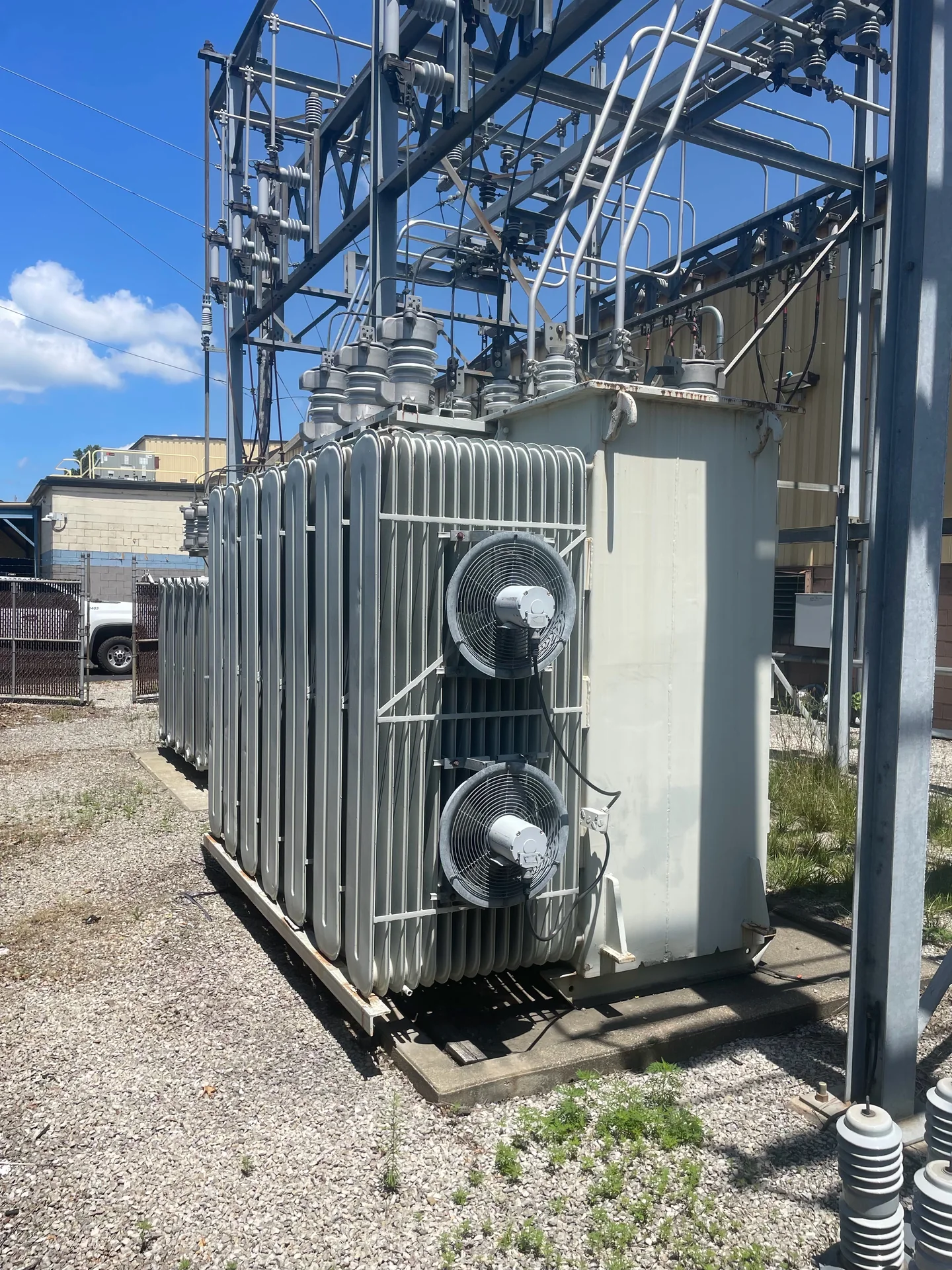
Before contacting buyers, assemble clear documentation about each transformer. Start with the nameplate data: manufacturer, serial number, kVA or MVA rating, primary and secondary voltages, phase, frequency, vector group or design type, and insulation or fluid type. Note age, visible condition, any corrosion or damage, and whether the unit has been modified. Collect any available service or test records, photos of all sides, and a short summary of ownership and reason for sale.
bullets
- Essential nameplate items: manufacturer, serial number, kVA/MVA, voltages, phase, frequency
- Design and construction notes: on-load tap changer, dry vs. oil-filled, cooling class
- Condition and history: last maintenance, repair records, DGA or dielectric tests if available
- Quantity and consistency: single unit vs. multiple identical units can affect interest
Survey site access and constraints in San Diego environments
San Diego’s mix of dense urban, industrial, and coastal sites brings particular access considerations. Identify where the unit sits: substation yard, rooftop, building interior, or marine-side facility. Note truck turning radii, overhead obstructions, curb and sidewalk restrictions, lane closures that might be required, and any weight limits on local roads or bridges. Coastal sites may have corrosion concerns; tight urban sites may limit crane placement. Record GPS coordinates and the best staging area for trucks and lifting equipment.
bullets
- Record exact location and GPS, nearest paved staging area and clearances
- Note overhead wires, tree cover, gates, ramps, and stair access
- Check local permitting needs: street closures, oversize load permits, and port rules if applicable
- Document site surface type and ground-bearing capacity for cranes or trailers
Prepare for rigging and loading conversations
When you speak with prospective buyers, they will want details that let their riggers plan a safe lift. Provide gross weight, shipping dimensions, lifting points identified on the unit, base configuration, and whether the tank is full of fluid. If oil or other fluids must be drained, say so and share any environmental testing that’s been done. Do not attempt lifting, energization, or fluid handling without qualified contractors; instead supply the information so rigging firms and buyers can estimate labor, equipment, and permits.
bullets
- Supply gross weight, center of gravity if known, and skid or pad dimensions
- Identify factory lifting points and any external damage that could affect rigging
- Declare status of fluids and whether oil must be removed or sampled
- Note building penetrations, rooftop curbs, or internal obstructions for hoist planning
Compare disposition options: direct sale, auction, broker, or scrap
Choose a disposition path based on condition, documentation, timeline, and quantity. Direct sale to a nationwide buyer or equipment reseller can be efficient if you have clear nameplate data, test records, and accessible loading. Auctions and online marketplaces can reach more buyers but add time, fees, and uncertainty. Brokers can shorten the search but will charge a commission. Recycling or scrap becomes relevant for units without serviceable value or with environmental constraints; recyclers handle core and oil recovery but may require proof of ownership and regulatory handling.
bullets
- Direct sale: fewer intermediaries, may require buyer-arranged freight and inspection
- Auction: wider audience, timing and price less predictable
- Broker: faster market access at the cost of commission
- Recycler/scrap: option when refurbishment isn’t viable or environmental controls require disposal
Coordinate the transaction with a nationwide buyer
A nationwide buyer will typically request photos, nameplate data, condition reports, and logistics notes before issuing a preliminary offer. Expect follow-up questions about ownership documentation, site access, preferred pickup windows, and whether you can provide a crane-ready staging area. Agree in writing on inspection rights, the scope of any remedy for undisclosed damage, pickup timelines, and payment terms. Remember that a buyer’s interest and the final offer depend on the specific unit, its documentation, and the project’s logistics.
bullets
- Provide complete photo sets, nameplate close-ups, and test records up front
- Confirm ownership transfer process and required paperwork (bill of sale, release forms)
- Discuss freight options: seller-arranged or buyer-arranged pickup, and insurance needs
- Set realistic pickup windows and escalation steps if access problems arise
Plan timelines, permits, and common transaction documents
Plan conservatively: scheduling rigging, permitting, and heavy-haul transport in San Diego can take days to weeks depending on site and municipal requirements. Prepare documents that buyers commonly request: detailed photos, test reports, bill of sale, proof of ownership, environmental sampling if relevant, and an as-is condition statement. Check whether traffic control, oversized load permits, or special port/terminal scheduling apply. Engaging experienced rigging and freight contractors early helps avoid costly delays and clarifies responsibilities.
bullets
- Common documents: photos, nameplate scans, test/service records, bill of sale
- Permits to consider: oversize/overweight, street closures, and port access if used
- Typical scheduling items: staging window, crane mobilization, and truck routing
- Insurance and liability: clarify who insures during lift, transit, and until title transfers
Service-area context
Planning a sale in California
This city guide is part of the broader California service-area directory. Review statewide pickup and documentation considerations before arranging an equipment review.
Explore the California transformer guideCommon questions
Practical answers before you call
One clear next step